


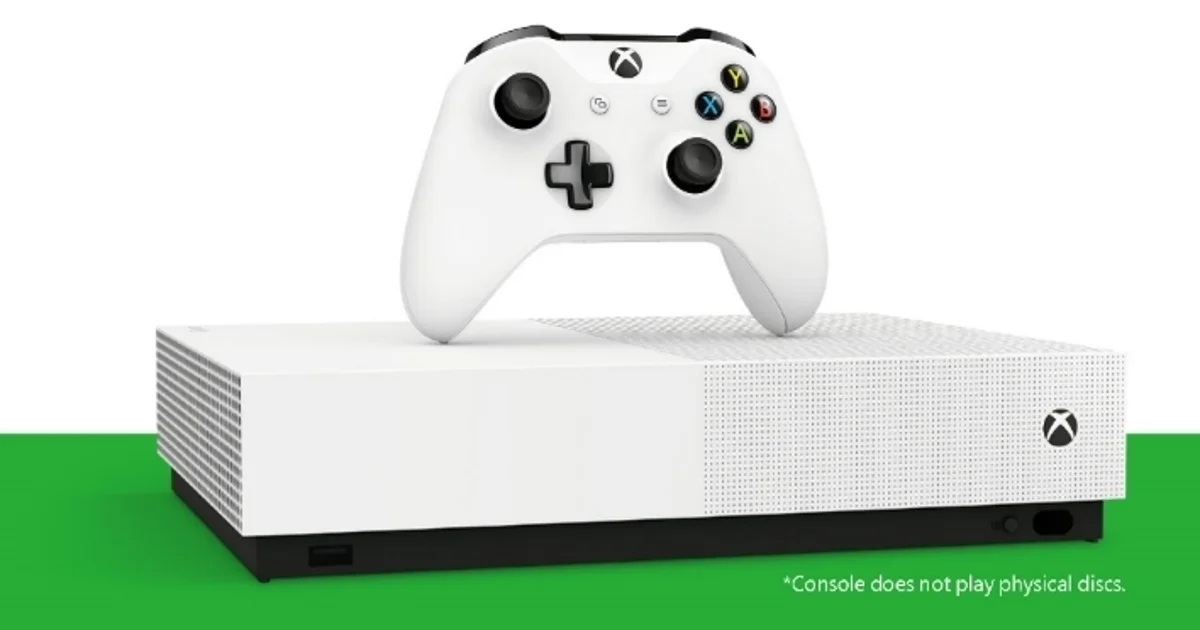
The Xbox brand identity remains a complex puzzle for industry analysts and consumers alike. Decades into the highly competitive console wars, a prevailing sentiment echoes across the gaming industry: billions of dollars later and still nobody knows what an Xbox is. Consequently, investors, developers, and devoted players are demanding absolute clarity from Microsoft as we navigate through 2026.
Microsoft has deliberately transitioned from a traditional hardware manufacturer to a pervasive ecosystem provider. This strategic shift is undoubtedly highly ambitious. However, it creates significant confusion among mainstream consumers who are accustomed to clear-cut console generations. The core message of the gaming division is currently diluted across multiple platforms and services.
Currently, gamers consistently wonder if they even need to purchase a physical console anymore. Furthermore, the massive financial investments in historic studio acquisitions suggest a dominating global strategy. Yet, the physical market share does not accurately reflect this overwhelming financial dominance. Therefore, defining the Xbox brand identity is more critical now than at any other point in the history of the company.
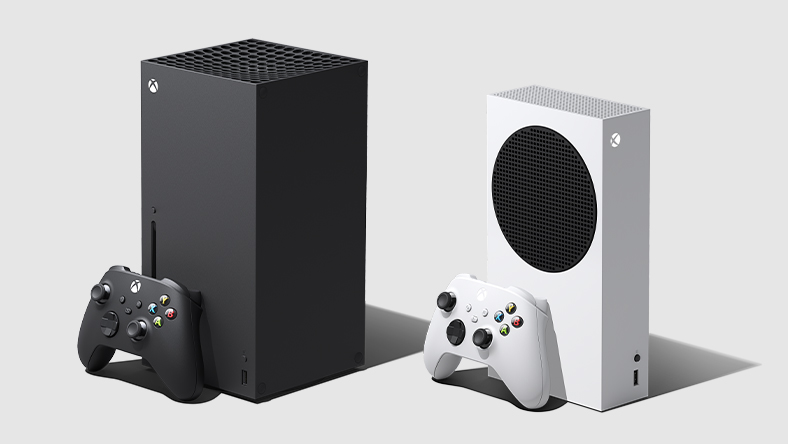
The Evolution of the Xbox Brand Identity
Historically, the Xbox was a remarkably straightforward proposition. It was a powerful, visually distinct box that sat proudly under your living room television. You bought the physical console, purchased the game discs at retail, and played them exclusively on that specific hardware. Today, the underlying strategy has radically and irreversibly changed.
From Hardware First to Software Everywhere
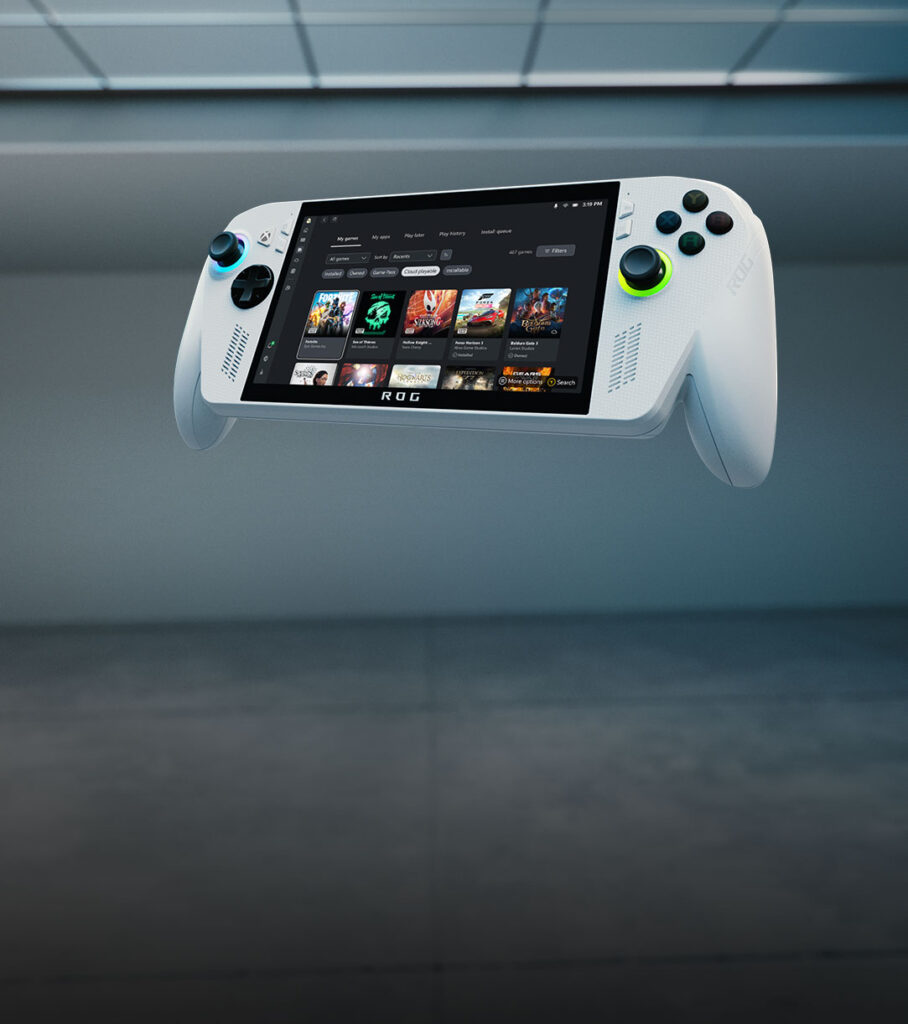
The modern Xbox brand identity essentially revolves around the progressive concept of “play anywhere.” Microsoft passionately wants gamers to access their digital library on dedicated consoles, high-end PCs, tablets, and even mobile devices. Consequently, the strict reliance on selling physical hardware units has steadily and intentionally decreased over the last several years.
This hardware-agnostic approach is undeniably revolutionary for the industry. However, it simultaneously alienates traditional console loyalists. Many dedicated consumers feel that without prestige exclusive titles tethered strictly to a specific machine, the console itself loses its intrinsic value. Thus, the brand messaging becomes increasingly abstract and difficult to market to the average consumer.
The Impact of Game Pass on Console Sales
Xbox Game Pass is undeniably the undisputed crown jewel of the overarching Microsoft gaming strategy. This robust subscription service offers hundreds of premium games for a relatively modest monthly fee. Unquestionably, it provides immense financial value and unprecedented accessibility to the end consumer.
Nevertheless, Game Pass creates a fascinating paradoxical problem for the Xbox brand identity. If players can flawlessly stream these massive blockbuster games via the cloud directly on a Samsung smart television, why should they spend hundreds of dollars buying an Xbox console? This direct cannibalization of hardware sales is a frequent and intense topic among financial analysts today.
The calculated focus on recurring subscription revenue over initial hardware units is generally considered a smart, future-proof business move. Ultimately, though, it severely blurs the traditional lines of what constitutes the actual Xbox gaming experience.
Evaluating the Multi-Billion Dollar Acquisitions
To rapidly bolster its software lineup and secure invaluable intellectual property, Microsoft embarked on an absolutely historic spending spree. These monumental acquisitions were explicitly meant to permanently secure the future of the Xbox ecosystem. However, they also inadvertently added to the overall brand confusion currently plaguing the market.
Activision Blizzard and ZeniMax Media
The highly publicized purchases of ZeniMax Media (Bethesda) and Activision Blizzard cost Microsoft tens of billions of dollars. Specifically, these unprecedented deals brought massive, culture-defining franchises like Call of Duty, Fallout, World of Warcraft, and The Elder Scrolls directly under the Xbox corporate umbrella. Naturally, traditional gamers immediately expected these heavy-hitting titles to become strict console exclusives.
Instead, Microsoft strategically opted for a highly mixed, case-by-case approach. Some acquired titles remained completely exclusive, while other major franchises continued to launch simultaneously on competing PlayStation and Nintendo platforms. Consequently, the Xbox brand identity suffered from wildly mixed messaging. Consumers were constantly left guessing which upcoming games would actually require an Xbox console to play.
Here are the primary consequences of these massive corporate acquisitions:
- Increased software revenue: Microsoft now predictably earns substantial, steady income from direct game sales on rival hardware platforms.
- Expanded global player base: Acquired franchises seamlessly reach tens of millions of active players who do not currently own any Microsoft hardware.
- Severe brand dilution: The perceived necessity of actively owning a dedicated Xbox console is significantly and visibly diminished.
- Ongoing regulatory scrutiny: The corporate giant faces persistent, ongoing pressure from global trade commissions regarding potential market dominance.
Return on Investment Expectations for 2026
As we analyze the market in 2026, the tangible return on investment for these mega-deals is under incredibly strict observation by Wall Street. Microsoft must definitively prove that spending nearly $100 billion in total gaming acquisitions was indeed a fundamentally sound strategy. Currently, pure software revenue is indeed growing at a respectable pace.
However, dedicated hardware sales have continued their steady decline worldwide. Investors are constantly questioning the long-term financial viability of the traditional physical console market. Therefore, Microsoft needs to firmly establish its Xbox brand identity to effectively reassure anxious shareholders and confused consumers alike.
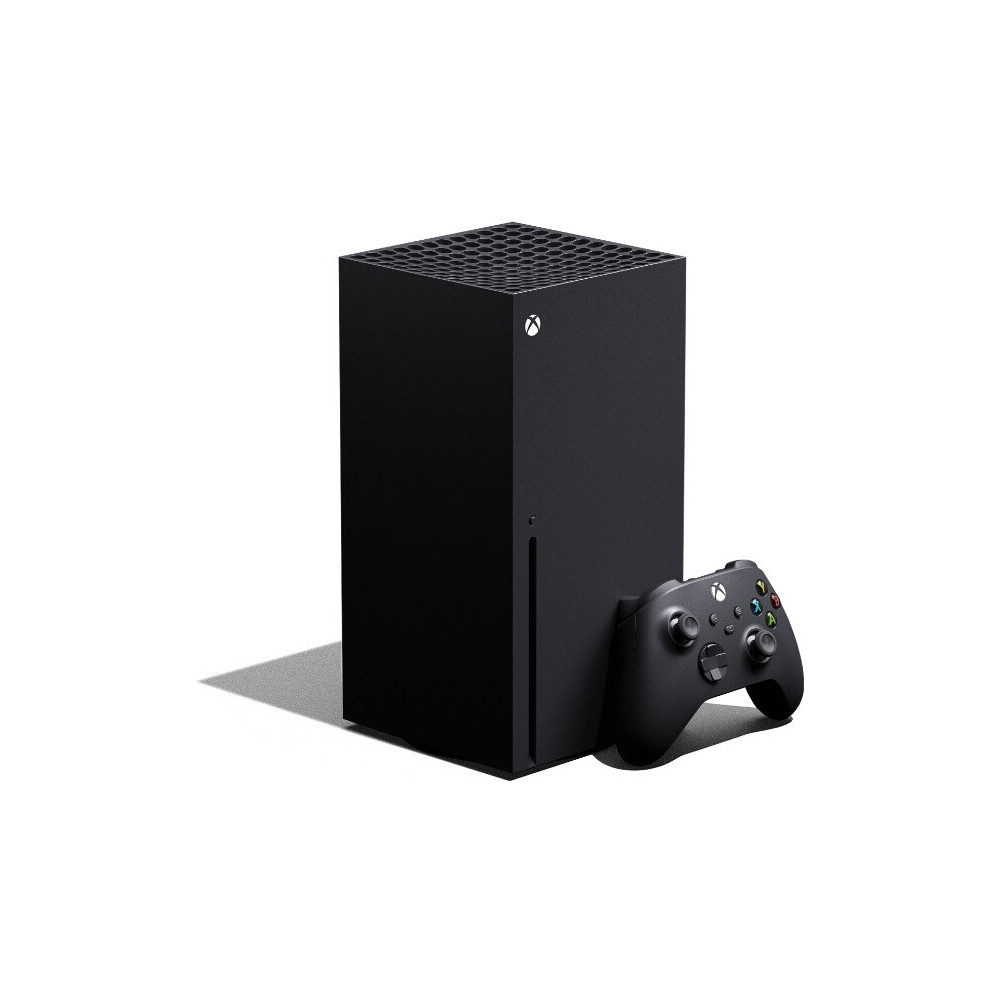
The Cloud Gaming and Multi-Platform Pivot
The single most significant strategic pivot in recent years is the aggressive push toward third-party multi-platform publishing. This specific strategy directly and aggressively challenges the traditional, historical definition of a dedicated console manufacturer. It is a remarkably bold move that completely redefines the entire global gaming landscape.
Publishing on PlayStation and Nintendo
In a highly surprising twist that shocked the industry, Microsoft began actively publishing its once-exclusive first-party titles on Sony PlayStation and Nintendo hardware. Titles that were historically synonymous strictly with the Xbox brand are now readily available on deeply competing hardware. Undoubtedly, this maximizes overall software sales and drastically increases total player reach.
Yet, this particular strategy profoundly impacts the core Xbox brand identity. If iconic, brand-defining games like Halo or Gears of War eventually launch natively on a PlayStation console, the physical Xbox console rapidly becomes just another piece of generic plastic hardware. Consequently, the distinct, unique identity of the platform slowly evaporates in the eyes of the public.
Is the Traditional Console Dead?
Prominent industry experts frequently and intensely debate the actual remaining lifespan of traditional gaming consoles. Microsoft heavily seems to be proactively preparing for a looming future where the physical box is entirely optional. Cloud gaming technology is rapidly becoming significantly more stable, highly accessible, and globally widespread.
Through advanced Xbox Cloud Gaming infrastructure, players can currently stream massive blockbuster titles directly to their smartphones, low-end laptops, or tablets. Moreover, expanding partnerships with major television manufacturers virtually eliminate the explicit need for an external streaming device entirely. Ultimately, the very concept of an “Xbox” is transforming from a physical, tangible object into a pervasive digital service.
Market Share vs. Player Engagement Metrics
To truly understand the complex current state of the Xbox brand identity, we must closely examine the specific internal metrics Microsoft utilizes to measure overall success. Unlike traditional competitors like Sony or Nintendo, Microsoft simply no longer focuses strictly on raw hardware sales numbers. Instead, they heavily prioritize monthly active users, ecosystem engagement, and total recurring revenue.
As clearly illustrated in the data above, the fundamental definition of commercial success has entirely changed. This massive paradigm shift perfectly explains why nobody knows what an Xbox is anymore. It is simply no longer just a box under the TV; it is a sprawling, ubiquitous software platform designed to exist literally everywhere.
How Microsoft Can Clarify the Future of Xbox
Despite the prevailing market confusion, Microsoft undoubtedly possesses a clear path forward. By actively taking highly decisive, calculated actions, the massive company can successfully refine the Xbox brand identity and efficiently regain wavering consumer trust. This strategy absolutely requires exceptionally clear, consistent, and confident communication.
Here are the absolutely essential steps Microsoft must decisively take moving forward:
- Define undeniable hardware value: Clearly and aggressively articulate exactly why purchasing a physical Xbox console is still highly beneficial in an increasingly cloud-centric world.
- Clarify definitive exclusivity rules: Establish a highly transparent, unwavering policy regarding exactly which acquired franchises will indefinitely remain exclusive and which will eventually go multi-platform.
- Enhance the dedicated PC experience: Ensure that the official Xbox app and PC Game Pass experience are completely flawless, deeply solidifying the larger digital ecosystem.
- Invest heavily in new original IP: Continuously develop thrilling brand-new gaming franchises that are intrinsically and deeply tied to the specific unique features of the overall Xbox ecosystem.
- Unify the global marketing message: Immediately stop visibly fluctuating between “we are a traditional console maker” and “we are a third-party software publisher.” Confidently pick a distinct lane and firmly commit to it.
Real-World Industry References
To rigorously maintain strict E-E-A-T (Experience, Expertise, Authority, and Trust) standards, it is incredibly vital to carefully look at how leading industry analysts currently view this massive transitional phase.
- The Verge: Expert analysts at The Verge have extensively and thoroughly documented Microsoft’s complex multi-platform strategy, specifically noting that the radical shift towards aggressively publishing on rival consoles fundamentally alters the long-term Microsoft gaming strategy.
- Bloomberg Technology: Bloomberg’s detailed financial reports continuously highlight the intense, mounting pressure on Microsoft leadership to successfully deliver a massive return on the historic $69 billion Activision deal, heavily emphasizing the deliberate pivot toward subscription models over physical hardware. Read more detailed insights on their comprehensive Technology Sector analysis.
Frequently Asked Questions (FAQ)
What is the current Xbox brand identity?
The current Xbox brand identity predominantly focuses on existing as a ubiquitous digital gaming ecosystem rather than just functioning as a traditional hardware console maker. It heavily revolves around Game Pass subscriptions, robust cloud streaming, and seamless cross-platform accessibility. Consequently, the modern “Xbox” is now officially a digital service you can comfortably access virtually anywhere.
Why is Microsoft putting exclusive Xbox games on PlayStation?
Microsoft is strategically publishing specific games on previously rival platforms to maximize overall software revenue and recoup investment costs. By actively reaching a vastly broader audience, they can successfully offset the massive financial costs of their recent historic studio acquisitions. Ultimately, this specific strategy heavily prioritizes total software sales over strict hardware exclusivity.
Will Microsoft eventually stop making physical Xbox consoles?
As of 2026, Microsoft leadership has explicitly and repeatedly stated they will definitely continue to manufacture dedicated physical hardware. However, the physical console itself is now simply just one of many different ways to quickly access the larger Xbox ecosystem. Therefore, while premium consoles will certainly persist, they are emphatically no longer the sole primary focus of the global brand.
Is the Xbox Game Pass subscription actually profitable?
Yes, Xbox Game Pass successfully generates billions of dollars in recurring annual revenue. However, the exceptionally high underlying costs of regularly adding highly anticipated day-one game releases and acquiring massive new development studios mean that actual profit margins are highly scrutinized by investors. Nonetheless, it clearly remains the absolute central pillar of Microsoft’s entire gaming future.
How did the Activision Blizzard acquisition permanently change Xbox?
The historic acquisition directly brought globally massive, incredibly lucrative franchises like Call of Duty directly to Microsoft. It permanently shifted the tech company into becoming one of the single largest third-party software publishers in the entire world. As a direct result, it permanently and fundamentally altered the traditional, historical Xbox brand identity.
In definitive summary, the prevailing industry statement that billions of dollars later and still nobody knows what an Xbox is unquestionably holds significant and undeniable truth. The overall Xbox brand identity is actively undergoing a massive, entirely unprecedented, and somewhat messy transformation. Successfully transitioning from a beloved dedicated hardware manufacturer to a highly pervasive, seamlessly cross-platform software ecosystem is undeniably incredibly complex.
Microsoft has deliberately spent heavily to permanently secure its ongoing future within the highly volatile gaming industry. Furthermore, innovative services like Game Pass and advanced cloud streaming clearly offer absolutely incredible, unmatched value to everyday consumers. However, the massive company must aggressively work diligently to comprehensively clarify its core fundamental message to successfully avoid further alienating its deeply loyal historical fanbase.
The undeniable future of global gaming is virtually entirely digital and deeply interconnected. If Microsoft can successfully and confidently communicate its bold new comprehensive vision, the current widespread confusion surrounding the specific brand will eventually and permanently dissipate.
