


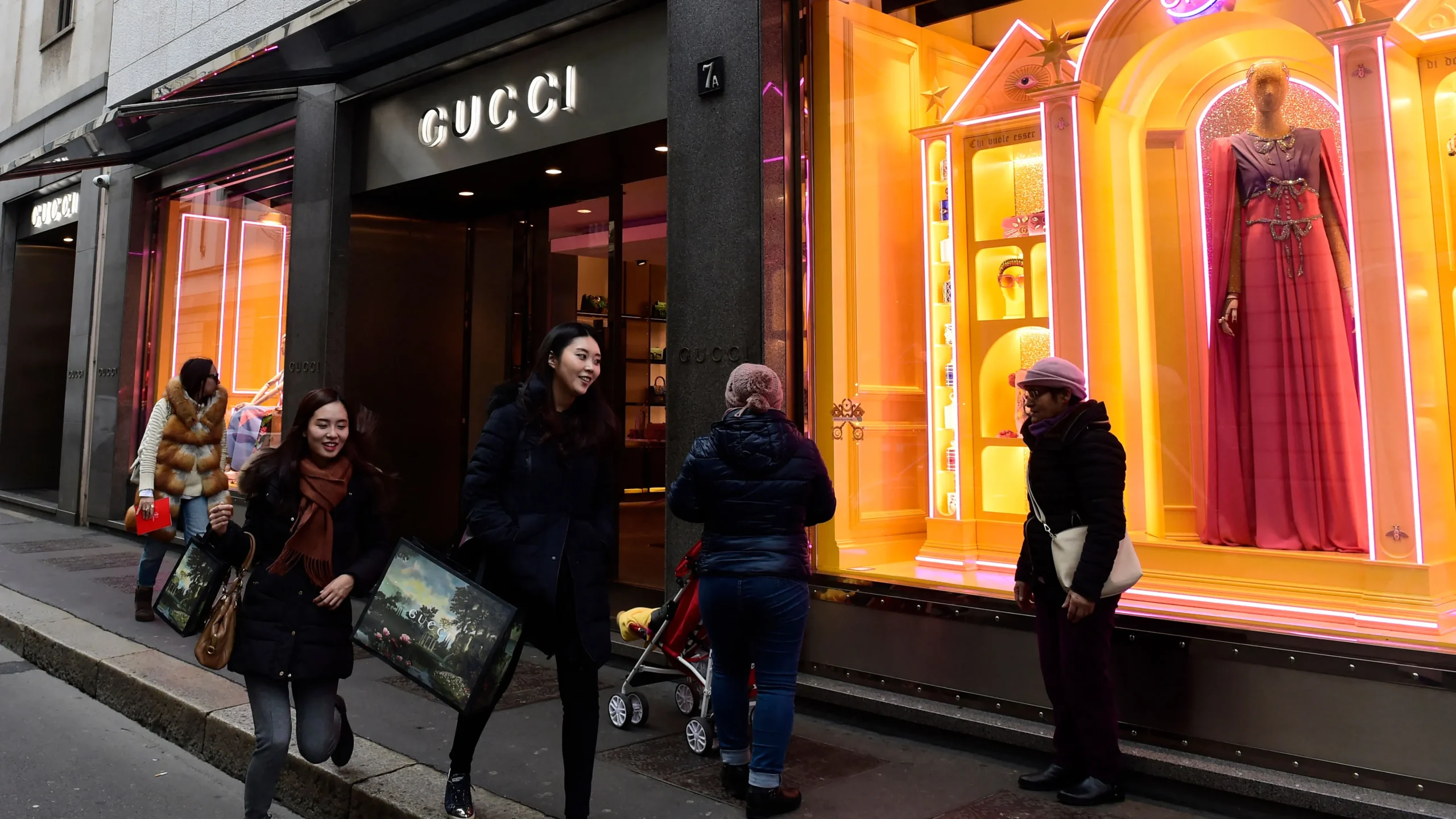
In February 2026, one of the world’s biggest fashion brands dropped a new advertising campaign that had everyone talking online. But the discussion wasn’t all praise — in fact, many people reacted with confusion, frustration, and even anger.
The reason? Gucci used AI — artificial intelligence — to create some of its campaign visuals. What should have been a typical fashion promo turned into a heated debate about creativity, technology, and what luxury really means in the digital age.
What Actually Happened
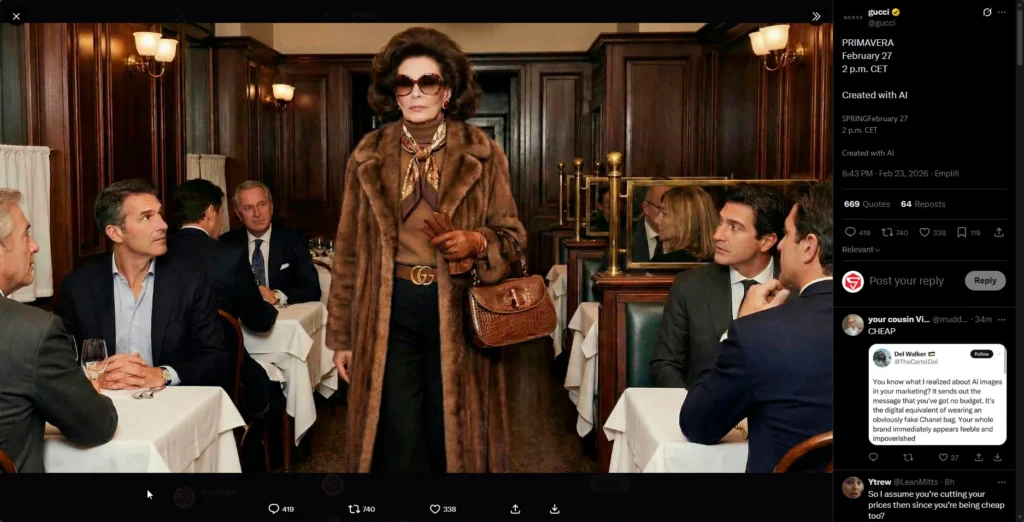
Gucci released a set of promotional images for its early 2026 campaign called “Primavera.” These were posted on social media ahead of the brand’s big fashion showcase in Milan. Despite some real photos being included, several of the visuals were generated entirely with AI.
Pictures included things like:
- A woman in a fur coat having dinner in a restaurant
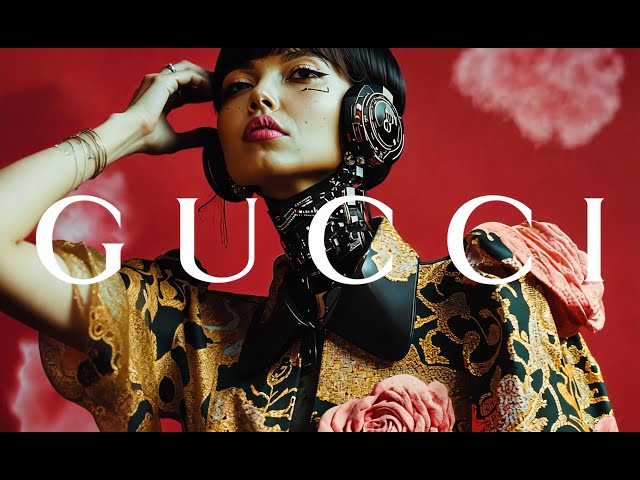
- Pairs of models standing in surreal, dramatic settings
- Sleek vehicles and stylized scenes that looked more like video game graphics than real fashion photos
And each of these images was clearly labeled “Created with AI.”
That label sparked a huge reaction online. People on platforms like Instagram and X (formerly Twitter) began sharing their opinions almost immediately.
Why Some People Liked the Campaign
Not all reactions were negative. Some fans and experts saw Gucci’s move as smart and forward-thinking:
1. Fashion Innovation Is Part of Gucci’s History
Gucci has a long track record of trying new things — unusual art, bold collaborations, and visuals that push boundaries. For many observers, using AI fits into that spirit of innovation rather than betraying it.
Branding professionals have pointed out that the images were likely created with creative intent, not just cost-cutting. According to strategy consultants, Gucci wanted to place itself at the intersection of fashion, art, and technology — showcasing a futuristic vision.
2. The Goal Was to Generate Buzz
Whether intentionally or not, Gucci got people talking. In the world of advertising and street-level marketing, that conversation is sometimes even more valuable than the campaign itself.
Some digital marketers argue that controversy — especially in the age of social media — can help a brand stay relevant and visible. When people share or critique the visuals, they’re still engaging with the campaign. While not everyone agrees with that strategy, the effect is clear: Gucci’s campaign didn’t go unnoticed.
Why Many People Were Upset
Despite the supporters, a big portion of social media users reacted negatively. Their reasons touched on deeper feelings about luxury, authenticity, and what fashion should represent:
1. AI vs. Craftsmanship
Gucci is known as a luxury brand. Traditionally, that means emphasis on handmade items, carefully crafted pieces, and human skill. Many fans felt that using AI images — especially ones that looked less realistic or polished — clashed with that image.
One viral comment said something like: “Bleak days when Gucci can’t find a real human Milanese grandmother to model a 1976 outfit.” This joke reflects the frustration some followers felt about replacing real people with algorithms.
2. “Cheap” or “Slop”
A lot of people didn’t hold back on their opinions. Some called the AI images “cheap,” “tacky,” or even “AI slop” — slang for digital visuals that seem low-quality or unoriginal. For many, those words were not compliments, especially when attached to a brand that sells products costing thousands of dollars.
3. Fear of Replacing Real Creatives
Photographers, models, set designers, and advertising teams all contribute to the real-world production of fashion imagery. Some critics said Gucci’s AI-generated pieces felt like AI replacing human artists and workers. That struck a nerve with creatives who see their story and effort as part of what makes fashion exciting.
This concern isn’t just about quality — it’s about meaning. When people buy luxury goods, they often imagine the humans behind them: the designers, artisans, and photographers. AI visuals, critics argue, can undermine that sense of human connection.
What the Experts Say
Fashion industry professionals and analysts have weighed in from different angles. Here’s a glimpse into those perspectives:
Branding and Creative Experts
Some consultants think Gucci’s choice is part of a larger trend: brands experimenting with technology to stay culturally relevant. According to these voices, AI can help create surreal, high-impact visuals that might not be possible with traditional photoshoots — offering new forms of expression.
For some, this type of experimentation is exciting. It’s not just about cutting costs but exploring how fashion can evolve in a tech-first world.
Luxury and Heritage Specialists
Others are more cautious. They argue that luxury fashion is rooted in craft, heritage, and human creativity. If AI becomes a substitute for those things, it could weaken the emotional value that makes luxury brands special.
One fashion institute lecturer highlighted that while past innovations sometimes generated positive buzz, AI carries the risk of negative reactions — especially when consumers feel a brand has crossed a line by removing real human input.
Where the Debate Goes From Here
Gucci’s campaign may be just one example, but it reflects a much bigger conversation happening across fashion and media industries:
1. Can Luxury Embrace Tech Without Losing Its Soul?
The Gucci situation raises a big question: Can brands use AI in ways that feel authentic rather than artificial? Consumers are debating where the line should be drawn between innovation and tradition.
For luxury fashion houses, this balance is especially delicate. Technology might help them reach younger, digitally engaged audiences — but it could also alienate long-time fans who value craftsmanship.
2. Will Other Brands Follow Suit?
Some brands have already tested generative AI in small ways — like interactive filters, digital fashion experiences, or mood board tools. But using AI for major advertising visuals is still new territory.
If Gucci’s campaign leads to future backlash for other luxury labels, the industry may rethink how (and when) to use AI in major marketing efforts.
3. What Does This Mean for Young Creatives?
For young designers, artists, and marketers, this shift is both an opportunity and a challenge. AI can speed up creative processes and unlock new visual styles — but it also raises tough questions about authorship, fairness, and the value of human labor.
Many people in creative communities are watching closely. They want to see whether AI becomes a tool that enhances human creativity — or replaces it. Gucci’s campaign has sparked a conversation that’s likely to continue as technology evolves.
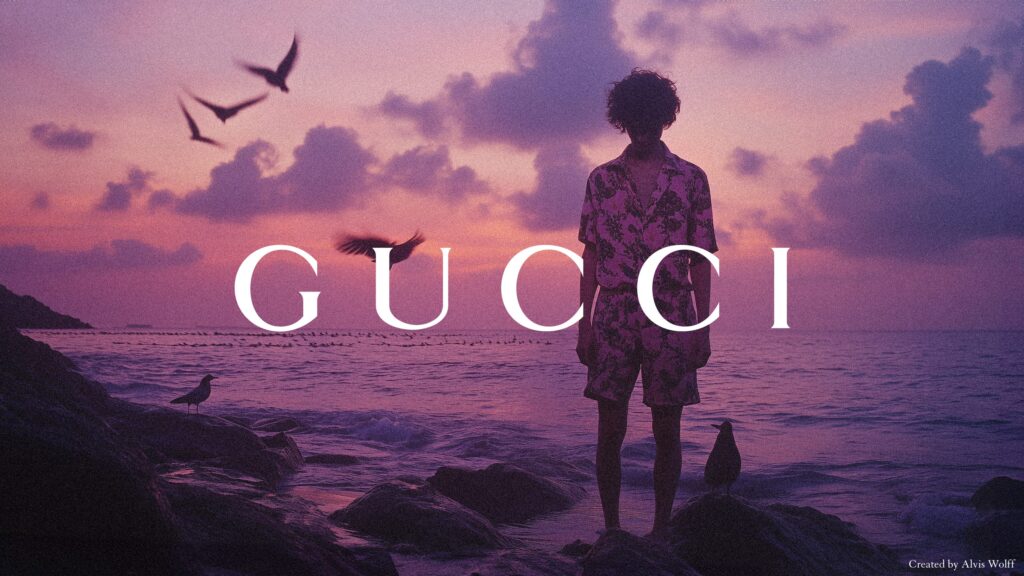
Gucci’s AI-generated campaign wasn’t just another fashion promo — it became a spark for debate. By blending cutting-edge tech with high fashion, the brand challenged old ideas about craftsmanship, authenticity, and what modern advertising can look like.
Some people praised the bold move. Others saw it as a step too far. And most of all, the campaign showed just how emotional people are about creativity, technology, and the meaning behind brand imagery.
Whether you love it or hate it, one thing is clear: AI in fashion is here to stay — and we’re only at the beginning of figuring out what that really means.
