


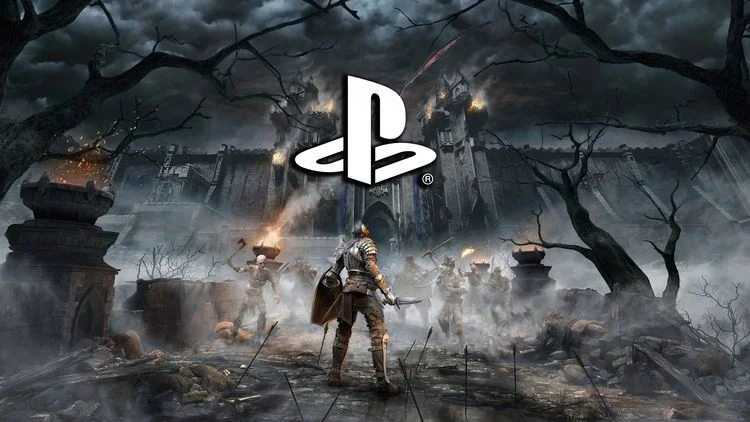
In a move that shocked the gaming community, Sony Interactive Entertainment has announced the closure of Bluepoint Games, the studio behind some of the most celebrated remakes in recent gaming history. Known for revitalizing classics like Demon’s Souls and Shadow of the Colossus, Bluepoint Games has been a cornerstone of PlayStation’s strategy to honor its legacy while introducing old favorites to a new generation of players.
The End of an Era for Bluepoint Games
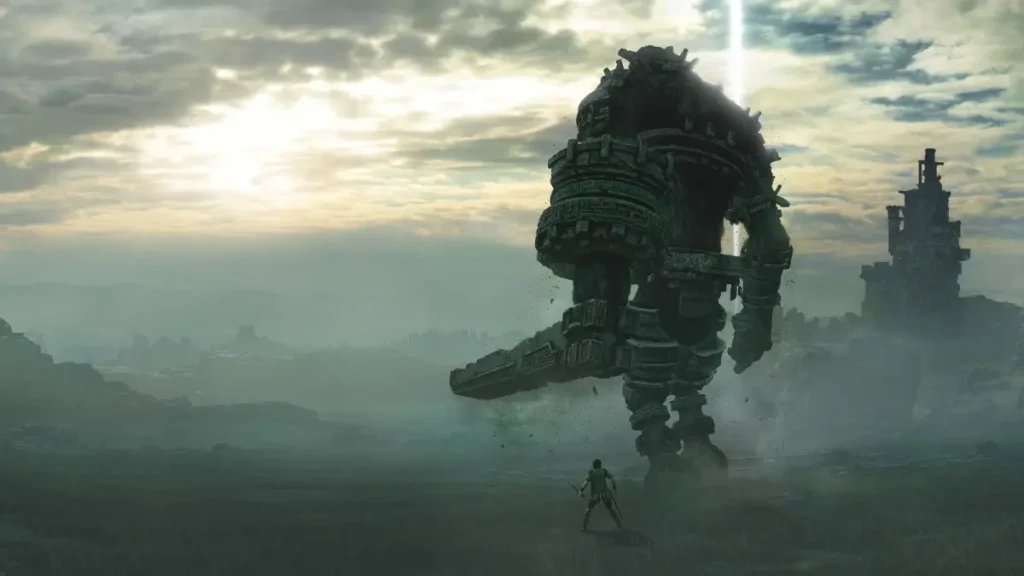
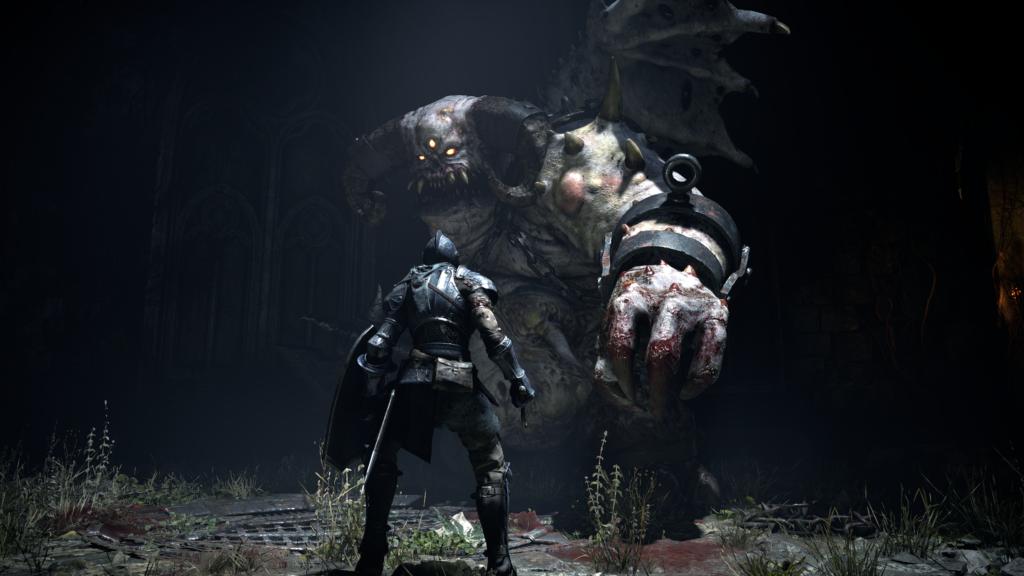
Founded in 2006, Bluepoint Games quickly earned a reputation for delivering high-quality remasters and remakes. Their work on Demon’s Souls for the PlayStation 5 and the Shadow of the Colossus remake showcased not only technical mastery but also a deep respect for the source material. In 2021, Sony officially acquired the studio, aiming to integrate its expertise into the broader PlayStation ecosystem.
However, a recent business review prompted Sony to make a difficult decision. Approximately 70 employees will be affected, and the studio is scheduled to officially close in March. While Sony expressed gratitude for the team’s creativity and craftsmanship, the closure marks a significant shift in strategy.
From Remakes to New Ambitions
Bluepoint’s history with Sony includes remasters of the first three Uncharted games and Gravity Rush, all of which were celebrated for their attention to detail and graphical improvements. After the acquisition, the studio shifted focus, co-developing God of War: Ragnarok in 2022. For the past few years, they had been working on a new live-service God of War project—a title that Sony ultimately canceled earlier this year.
This pivot reflects a broader trend in the industry: major publishers like Sony are constantly reevaluating how studios fit into long-term strategies. While remakes and remasters are beloved by fans, live-service games promise ongoing revenue streams and engagement metrics that are increasingly prioritized in corporate decision-making.
A Pattern of Studio Changes at PlayStation
Bluepoint Games is not the first studio to experience abrupt changes under Sony. In 2024, Firewalk Studios was shut down shortly after the troubled release of Concord, and the mobile studio Neon Koi was also closed that year. Additionally, Sony integrated changes at Bungie, laying off employees and restructuring roles. These moves underscore the volatile nature of the industry, even for studios with proven track records.
The Legacy of Bluepoint Games
Despite the closure, Bluepoint’s contributions to gaming are undeniable. Their remakes were more than technical upgrades; they were cultural touchstones that allowed both new players and longtime fans to experience timeless stories in a modern format.
Demon’s Souls, originally released on PlayStation 3, was brought back to life with stunning visuals and refined gameplay, setting a new standard for what a remake could achieve. Shadow of the Colossus, a game already revered for its art and design, was transformed for the PS4, offering breathtaking environments and smoother controls.
These projects highlighted Bluepoint’s philosophy: treat the original game with respect while using modern technology to enhance the experience. In a time when remakes can sometimes feel lazy or uninspired, Bluepoint set the bar high.
The Human Impact
The closure will affect dozens of talented developers, many of whom have dedicated years to building these immersive worlds. Sony has thanked the team for their “passion, creativity, and craftsmanship,” but the reality of layoffs is difficult for those impacted. The gaming community has expressed support for the developers, highlighting the personal and emotional toll that studio closures bring.
What This Means for PlayStation
For PlayStation, the closure signals a potential shift in priorities. While remakes and remasters have been valuable for preserving PlayStation’s legacy and engaging older fans, the industry’s focus on live-service titles, continuous updates, and monetization may have outweighed the benefits of maintaining a dedicated remaster studio.
Sony’s broader strategy may now lean more heavily toward original IPs and ongoing live-service projects, potentially leaving fewer resources for the kind of meticulous, single-player experiences that Bluepoint specialized in.
Looking Forward
While Bluepoint Games will no longer exist as a separate studio, its influence will continue to be felt. Many of the developers may join other studios or start new projects, carrying forward the lessons and techniques that made their remakes stand out.
For gamers, this is a reminder of the fragility of even the most successful studios in an industry driven by rapid technological change, business priorities, and shifting player expectations. Bluepoint’s legacy serves as both inspiration and caution: innovation, passion, and technical skill are invaluable, but corporate decisions can redefine a studio’s future in an instant.
The closure of Bluepoint Games is a turning point for PlayStation and the gaming industry at large. It highlights the tension between creative ambition and business strategy, and it raises important questions about how beloved games should be preserved and reimagined.
For fans of remakes like Demon’s Souls and Shadow of the Colossus, Bluepoint’s work will remain a benchmark for quality. For the industry, it’s a call to balance innovation with sustainability, ensuring that talent and vision are not lost in the pursuit of profit.
Bluepoint Games may be gone, but its legacy—shaping the way we experience classic games—will endure in the hearts of players and developers alike.
