


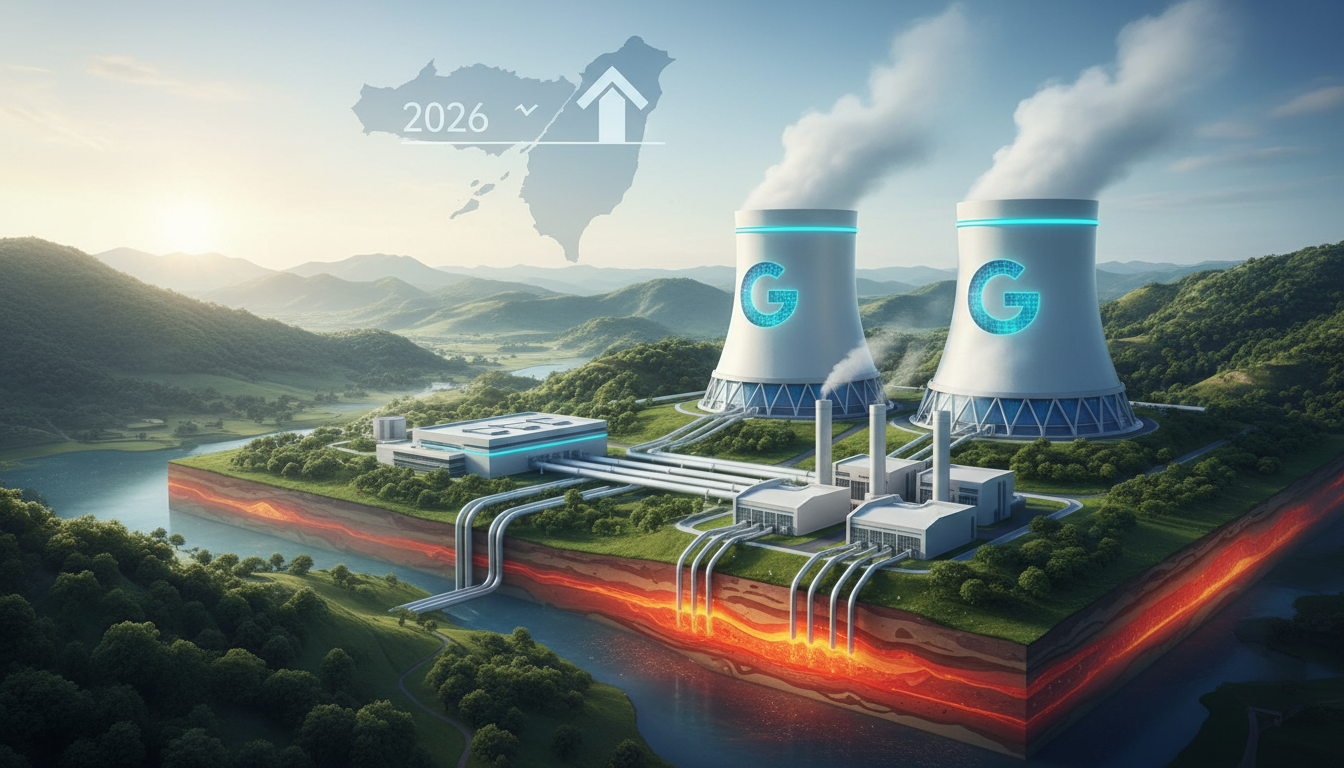
Google geothermal power for data centers in Taiwan is now a cornerstone of the tech giant’s ambitious goal to operate entirely on carbon-free energy by 2030. As artificial intelligence (AI) demands unprecedented levels of electricity, traditional renewable sources like wind and solar are often insufficient due to their intermittency. Consequently, Google has pivoted toward firm, 24/7 baseload power solutions. This strategic investment in Taiwan not only secures a stable energy supply for its massive data centers but also catalyzes the local renewable energy market.
The Strategic Importance of Geothermal Energy in East Asia
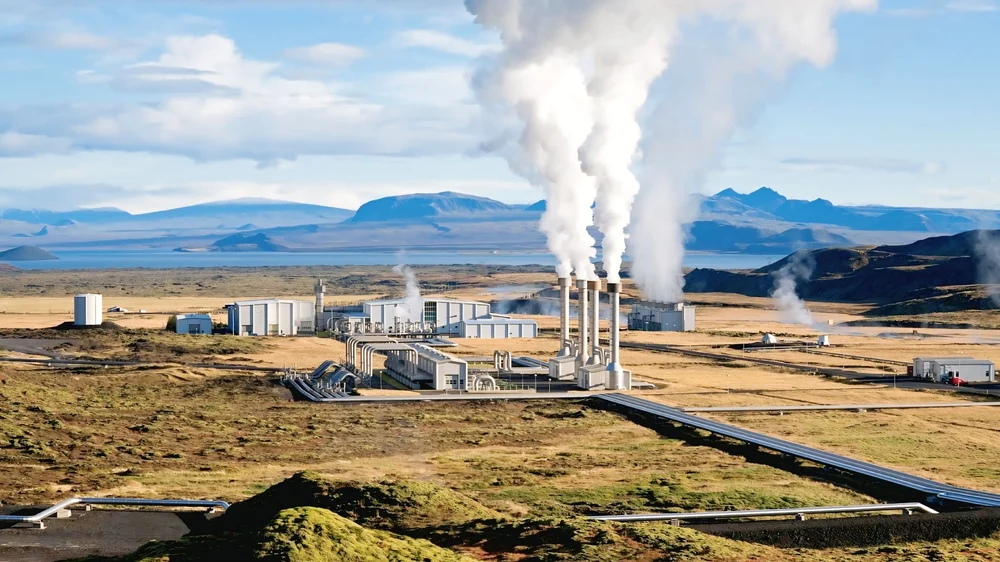
Taiwan sits on the “Pacific Ring of Fire,” making it a prime location for geothermal exploration. For years, the island relied heavily on fossil fuel imports. However, the partnership between Google and local energy developers marks a significant shift. By leveraging advanced drilling technologies, Google is tapping into deep-seated thermal reservoirs that provide a constant flow of electricity. Unlike solar panels that require daylight or wind turbines that depend on weather patterns, geothermal energy offers a high capacity factor, ensuring that data centers remain operational without relying on carbon-intensive backups.
Why Google Chose Taiwan for its Geothermal Expansion
- Geological Potential: Taiwan’s volcanic origins provide high-temperature gradients close to the surface.
- Infrastructure Hub: Google operates one of its largest Asian data center hubs in Changhua County and Tainan.
- Policy Support: The Taiwanese government has aggressively updated its Renewable Energy Development Act to streamline geothermal permitting.
- Supply Chain Proximity: Taiwan’s advanced engineering sector provides the necessary technical workforce for complex drilling operations.
Technical Innovations: From EGS to Advanced Flash Plants
Google’s approach in Taiwan involves more than just traditional geothermal wells. Following its successful pilot with Fervo Energy in Nevada, Google is exploring Enhanced Geothermal Systems (EGS) and advanced closed-loop technologies in the Asia-Pacific region. These methods allow for energy extraction in areas where natural permeability is low, significantly expanding the geographic reach of geothermal power.
Comparing Geothermal to Other Renewable Sources
To understand why Google is betting so heavily on this technology, it is essential to compare its performance metrics against traditional renewables:
Collaborations and the Role of Basalt Power
Google’s entry into the Taiwanese geothermal market is not a solo venture. The company has partnered with local developers, including firms like Basalt Power and other clean energy investors, to facilitate a multi-phase rollout. This collaboration involves:
- Exploratory Drilling: Identifying high-yield thermal zones across the Central Mountain Range.
- Grid Integration: Working with Taipower to ensure that geothermal energy can be efficiently fed into the national grid.
- Policy Advocacy: Helping to shape a regulatory framework that encourages private investment in deep-well technology.
Achieving 24/7 Carbon-Free Energy (CFE) by 2030
The integration of Google geothermal power for data centers in Taiwan is a direct response to the “CFE 24/7” challenge. Most corporations buy “Renewable Energy Certificates” (RECs) to offset their usage. However, Google aims for physical carbon-free energy to match its hourly consumption. Geothermal is the “missing link” in this equation. By providing a steady baseload, it reduces the need for expensive battery storage or natural gas peaker plants.
Key Milestones in Google’s Taiwan Roadmap
- Phase 1 (2024-2025): Geological surveying and pilot well initialization in Northern Taiwan.
- Phase 2 (2025-2026): Commissioning of the first 10-50 MW geothermal capacity dedicated to data centers.
- Phase 3 (2027+): Scaling to hundreds of megawatts to support the expansion of AI-driven cloud services.
Challenges Facing Geothermal Development in Taiwan
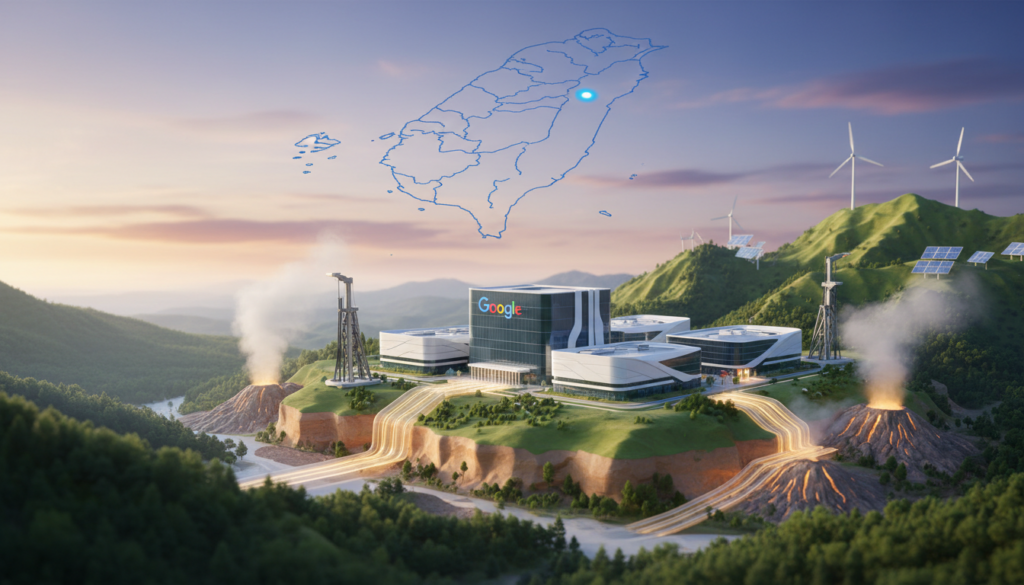
Despite the clear benefits, scaling Google geothermal power for data centers in Taiwan is not without obstacles. The initial capital expenditure (CAPEX) for geothermal is significantly higher than for solar. Furthermore, drilling carries inherent risks; a well might not reach the expected temperature or flow rate, leading to “dry holes.”
Moreover, the regulatory environment in Taiwan is still evolving. Historically, geothermal projects were treated similarly to mining operations, leading to lengthy approval processes. Google’s involvement is expected to accelerate the modernization of these laws, making it easier for other industries to follow suit.
Environmental and Economic Impact
The shift toward geothermal energy provides a double dividend for Taiwan. Economically, it fosters a new industry centered on green tech and specialized engineering. Environmentally, it helps the nation meet its Net-Zero 2050 goal. Because geothermal plants have the smallest land footprint per gigawatt-hour of any renewable source, they are ideal for Taiwan’s densely populated and mountainous terrain.
Benefits of Local Geothermal Investment
- Energy Security: Reducing dependence on imported Liquefied Natural Gas (LNG).
- Job Creation: Developing high-skilled roles in geophysics, drilling, and thermal engineering.
- Technological Spillover: Lessons learned from Google’s projects can be applied to other geothermal-rich regions in Japan and the Philippines.
Google geothermal power for data centers in Taiwan represents a transformative shift in how big tech approaches sustainability. By moving beyond intermittent renewables and investing in firm, baseload geothermal energy, Google is setting a blueprint for the entire industry. As this technology matures and costs decrease, the partnership between Taiwan’s geological assets and Google’s technological expertise will likely serve as a global model for decarbonizing the digital age. For businesses looking to follow suit, the message is clear: the future of green energy lies beneath our feet.
