


Puma forecasts another annual loss and cancels dividends in a decisive move to stabilize its financial foundation during a volatile 2026 fiscal year. This announcement has sent ripples through the global sportswear industry, signaling a period of intense restructuring for the German brand. As market conditions fluctuate, Puma’s leadership is prioritizing liquidity over immediate shareholder returns to ensure long-term viability.
Understanding the 2026 Financial Outlook
The decision comes after a series of quarterly reports indicated that the brand is still struggling with high inventory levels and sluggish demand in key markets like North America and parts of Asia. While competitors have shown signs of a rebound, Puma’s path remains obstructed by legacy costs and shifting consumer preferences.
Historically, Puma has been a resilient player in the athletic apparel space. However, the current economic climate—characterized by persistent inflation and high interest rates—has forced a re-evaluation of its growth projections. By forecasting another annual loss, the company is managing expectations while clearing the path for a more lean operational model.
Why Puma Forecasts Another Annual Loss
Several internal and external factors have contributed to this fiscal shortfall. To understand the gravity of the situation, we must examine the specific pressures facing the brand today.
1. Global Supply Chain Instability
Despite improvements in logistics post-2024, intermittent disruptions in the Red Sea and rising freight costs have inflated the cost of goods sold. For a volume-driven business like Puma, these marginal increases significantly erode net margins.
2. High Inventory Surpluses
Puma entered 2026 with a surplus of inventory from the previous season. To clear these stocks, the company engaged in heavy discounting, which further pressured profitability. While this strategy helps in generating cash flow, it inevitably leads to the reported annual losses.
3. Shift in Consumer Loyalty
Modern consumers are increasingly favoring niche performance brands and sustainable labels. Puma’s traditional lifestyle-heavy portfolio has faced stiff competition from emerging “athleisure” giants that have captured the Gen Z and Millennial demographic more effectively.
The Impact of Canceling Dividends
The suspension of dividend payments is perhaps the most significant signal to the market. This move is designed to retain approximately €350 million in capital, which will be redirected toward digital transformation and marketing initiatives.
Key Reasons for Dividend Cancellation:
- Capital Preservation: Ensuring the company has enough cash to cover operational expenses without increasing debt.
- Investment in R&D: Allocating funds to innovate new footwear technologies to compete with Nike and Adidas.
- Debt Reduction: Strengthening the balance sheet by paying down high-interest credit lines acquired during the 2024 downturn.
- Strategic Flexibility: Allowing the board to pivot quickly if new market opportunities arise in the emerging e-sports or wellness sectors.
Comparative Market Analysis: Puma vs. Competitors
To put Puma’s situation into perspective, it is helpful to look at how the brand compares to its primary rivals in the current fiscal environment.
As the table illustrates, Puma is currently an outlier in terms of profitability. However, analysts suggest that the lack of dividends could actually be a “buy signal” for long-term value investors who prioritize structural recovery over short-term payouts.
Puma’s Roadmap to Recovery: The 2026-2027 Plan
Management has outlined a three-step recovery plan to transition back to profitability. This strategy focuses on operational efficiency and brand heat.
- Optimization of the Global Retail Footprint: Puma plans to close underperforming flagship stores in high-rent districts and pivot toward a Direct-to-Consumer (DTC) digital model.
- Aggressive Product Innovation: A renewed focus on the “Speed and Strength” line, targeting professional athletes and high-performance runners.
- Localized Marketing Campaigns: Utilizing regional ambassadors in India and Latin America to capture growth in emerging markets where brand loyalty is still being established.
- Sustainability Integration: Implementing 100% recycled materials in their top-selling footwear lines to appeal to eco-conscious buyers.
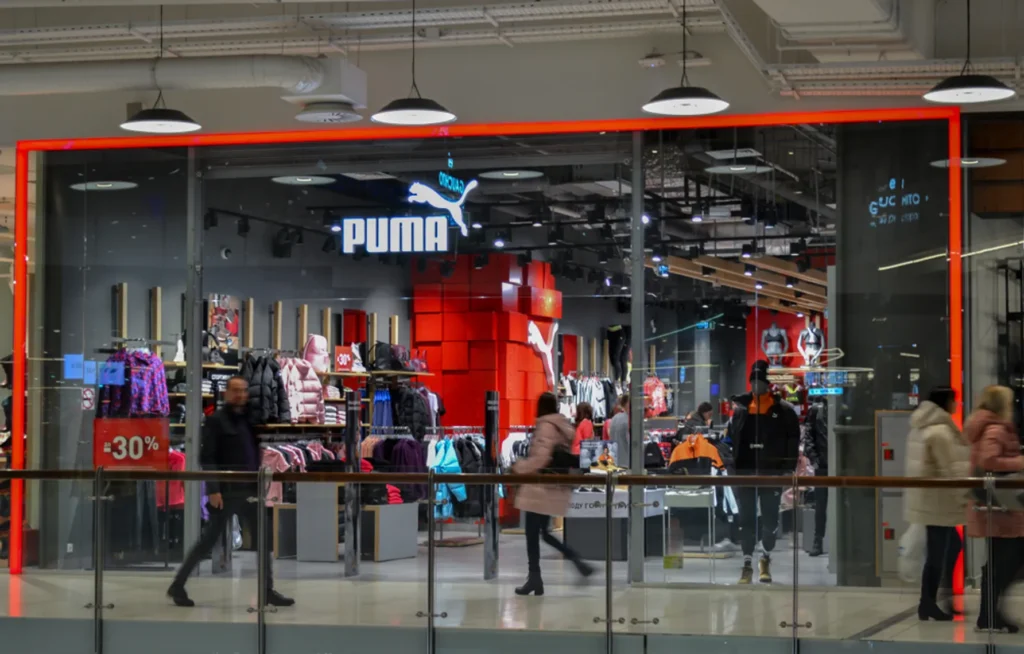
Investor Sentiment and Market Reaction
Following the news that Puma forecasts another annual loss and cancels dividends, the stock price experienced a temporary 8% dip. However, institutional investors have expressed cautious optimism regarding the transparency of the board. By acknowledging the loss early, Puma avoids the “earnings surprise” traps that often lead to more permanent devaluations.
Market experts believe that the success of this recovery depends on Puma’s ability to innovate in the footwear space. The brand needs a “hero product” similar to the success of the Fenty collaboration or the classic Suede line to regain cultural relevance and drive full-price sales.
The announcement that Puma forecasts another annual loss and cancels dividends marks a pivotal moment in the brand’s history. While the short-term financial outlook appears challenging, the decision to prioritize capital preservation and strategic reinvestment suggests a commitment to long-term health. For investors and consumers alike, the coming months will be critical in determining whether Puma can successfully navigate the complexities of the 2026 retail landscape and emerge as a leaner, more competitive force in sportswear.
