


Food To Save food waste prevention initiatives reached a historic milestone in 2025, effectively preventing retail partners from discarding over R$ 31 million in high-quality surplus products. This achievement underscores a pivotal shift in the Brazilian food industry, where sustainability is no longer merely an ethical choice but a core financial strategy. By bridging the gap between surplus production and conscious consumers, the food-tech leader has redefined the economic value of items that would otherwise contribute to global environmental degradation.
As the world grapples with the logistics of feeding a growing population, the role of marketplace technology becomes vital. In 2025, the data revealed that the “Sacola Surpresa” (Surprise Bag) model successfully converted potential losses into revenue for thousands of establishments, ranging from local artisanal bakeries to multinational supermarket chains. This article explores the mechanics behind this R$ 31 million recovery and the broader implications for the circular economy.
The Economic Scale of Food Waste in 2025
Global food waste remains one of the most significant challenges for modern supply chains. According to data from the United Nations Environment Programme (UNEP), approximately one-third of all food produced for human consumption is lost or wasted. In Brazil, the statistics have historically been concerning, with tons of fresh produce and processed goods ending up in landfills daily.
However, 2025 marked a turning point. The integration of real-time inventory management with consumer-facing applications like Food To Save allowed businesses to mitigate these losses. The R$ 31 million saved represents the collective retail value of food that was sold at a discount rather than being discarded. For many small and medium-sized enterprises (SMEs), this reclaimed revenue provided the necessary margin to invest in further sustainability measures or operational expansions.
How Food To Save Revolutionized the Surplus Market
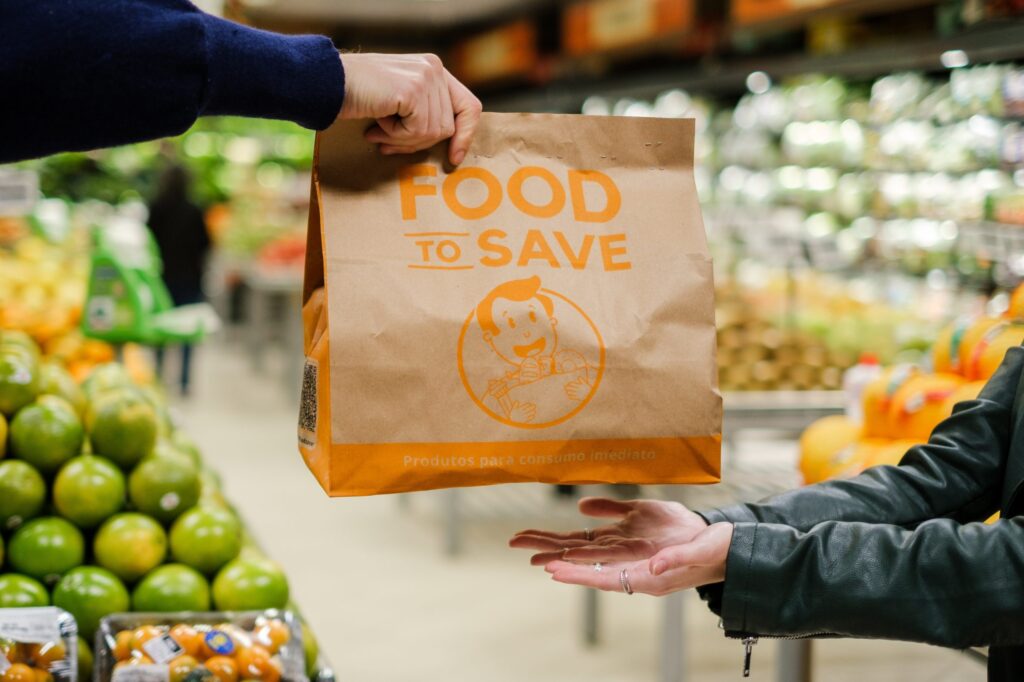
Food To Save food waste prevention operates on a simple yet highly effective premise: connecting supply and demand at the point of obsolescence. Instead of allowing perfectly edible food to expire on shelves, the platform allows partners to list “Surprise Bags” containing items nearing their best-before dates or products with minor aesthetic imperfections.
The Surprise Bag Model: A Win-Win for Businesses
The genius of the Surprise Bag lies in its logistical simplicity. Businesses do not need to spend hours categorizing individual surplus items. Instead, they group high-quality leftovers—such as bread, pastries, fruits, or dairy—into a single discounted package.
- Operational Efficiency: Employees spend less than 5 minutes preparing a bag.
- Incremental Revenue: Products that had a “zero value” projection are suddenly monetized.
- Customer Acquisition: Over 40% of users who purchase a Surprise Bag visit the physical store for the first time through the app.
Analyzing the R$ 31 Million Milestone: Data and Metrics
The 2025 fiscal year demonstrated that food waste prevention is scalable across various sectors. The following table illustrates the distribution of reclaimed value among different partner categories in 2025:
These figures highlight that while bakeries see the highest monetary recovery due to the high turnover of daily fresh goods, supermarkets handle a larger volume of individual items, particularly in the produce and dairy aisles.
Environmental Benefits: Beyond the Monetary Value
While the R$ 31 million figure is impressive from a financial standpoint, the environmental impact of Food To Save food waste prevention is even more substantial. When food is wasted, all the resources used to produce it—including water, land, and energy—are also wasted. Furthermore, rotting food in landfills is a primary source of methane, a greenhouse gas significantly more potent than carbon dioxide.
In 2025, Food To Save’s operations resulted in:
- Reduction of CO2e Emissions: An estimated 15,000 tons of CO2 equivalent were prevented from entering the atmosphere.
- Water Conservation: Millions of liters of water used in irrigation and processing were effectively “saved” by ensuring the end product reached a consumer.
- Land Use Optimization: The rescue of these goods meant that thousands of hectares of farmland were not utilized in vain.
Strategic Partnerships Driving Sustainable Growth
The success of 2025 was largely driven by strategic partnerships with major retail players. Large conglomerates recognized that Food To Save food waste prevention offered a turnkey solution for their Environmental, Social, and Governance (ESG) goals. By integrating the app into their daily operations, these corporations demonstrated a commitment to transparency and waste reduction that resonated with a younger, more environmentally conscious demographic.
Moreover, the platform’s expansion into secondary and tertiary cities in Brazil allowed the R$ 31 million impact to be felt nationwide, not just in major metropolitan hubs like São Paulo or Rio de Janeiro.
Consumer Behavior Trends in Sustainable Food Consumption
The rise of the “Conscious Consumer” has been a primary catalyst for the success of Food To Save. In 2025, consumers were no longer looking just for the lowest price; they were looking for value aligned with their personal ethics.
The Rise of Conscious Consumers in Brazil
Recent surveys indicate that 72% of Brazilian consumers prefer brands that take active steps to reduce their environmental footprint. The Food To Save app gamifies the experience of sustainability, allowing users to track how many kilograms of CO2 they have personally saved. This psychological reinforcement encourages repeat behavior, turning a one-time purchase into a sustainable lifestyle habit.
Technology Behind the Food To Save Marketplace
The backbone of this R$ 31 million achievement is a sophisticated AI-driven algorithm. The platform analyzes historical sales data to predict when a store is likely to have surplus, prompting managers to create bags before the waste even occurs. This proactive approach to Food To Save food waste prevention ensures a higher success rate for sales and a fresher experience for the end consumer.
- Geolocation Services: Matches users with the nearest available bags to minimize delivery carbon footprints.
- Dynamic Pricing: Suggests optimal discount rates to ensure 100% sell-through of listed items.
- Impact Reporting: Provides partners with monthly certificates detailing their individual contribution to waste reduction.
Future Outlook: Food Sustainability in 2026 and Beyond
As we look toward 2026, the trajectory for Food To Save food waste prevention remains aggressive. The company aims to double its impact by expanding into new categories, such as pharmaceuticals (specifically for cosmetics nearing expiration) and pet food. The goal is to create a comprehensive “circular marketplace” where no usable product is ever discarded.
Industry experts predict that by 2030, food waste prevention technologies will be a mandatory integration for any retail business in Brazil, driven by both consumer demand and potential future legislation regarding organic waste management in landfills.
The achievement of preventing R$ 31 million in losses during 2025 is a testament to the power of Food To Save food waste prevention strategies. By aligning economic incentives with environmental preservation, the platform has created a scalable model that benefits businesses, consumers, and the planet. As we move further into 2026, the lessons learned from this milestone will undoubtedly serve as a blueprint for the future of sustainable retail in Brazil and beyond. Now is the time for businesses to embrace the circular economy—not just for the sake of the environment, but for their own long-term financial health.
