


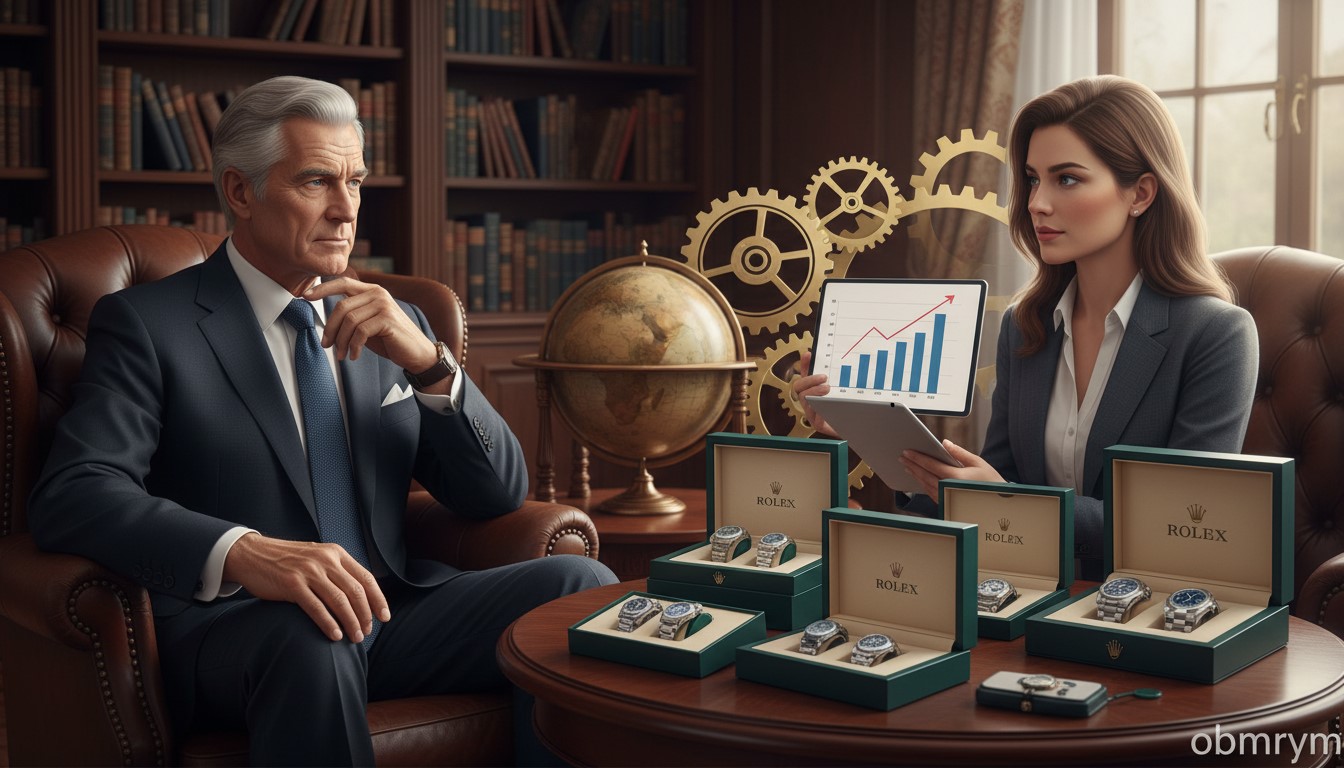
When discussing a brand associated with older men that consistently generates billions of dollars in annual revenue, one name stands above all others: Rolex. For decades, this Swiss powerhouse has defined the intersection of horological excellence and status. While the brand has successfully expanded its reach to younger demographics in recent years, its core identity remains rooted in the values of stability, achievement, and legacy—traits traditionally personified by the mature male demographic.
In 2025 and moving into 2026, the luxury watch market continues to be dominated by this singular entity. Rolex is not merely selling a tool to tell time; it is selling a milestone. For the affluent older man, a Rolex represents the culmination of a career and a physical manifestation of success. This strategic alignment with high-net-worth individuals (HNWIs) has allowed the company to reach an estimated annual turnover exceeding $10 billion, securing its position as the undisputed leader in the global luxury watch industry.

The Psychology of the Mature Consumer
Understanding why a brand associated with older men generates such staggering financial figures requires an analysis of consumer psychology. Older men often prioritize longevity, heritage, and resale value over fleeting fashion trends. Rolex meticulously caters to these preferences through its ‘evolution, not revolution’ design philosophy.
- Heritage: Every Submariner or Day-Date carries the weight of 20th-century history.
- Reliability: The perception of ‘indestructible’ Swiss engineering appeals to those who value quality over quantity.
- Legacy: The ‘Patek Philippe effect’ also applies to Rolex, where the purchase is seen as an heirloom for the next generation.
Financial Dominance in the Silver Economy
The ‘Silver Economy’—the economic activity of the population aged 50 and over—is one of the most powerful forces in global retail. Rolex has mastered this segment. By positioning itself as the ultimate reward for professional endurance, the brand captures a significant portion of the discretionary spending available to this demographic. Unlike younger consumers who may be more susceptible to economic volatility, the older, established male demographic provides a stable revenue floor even during market downturns.
Why Rolex Revenue Continues to Climb
- Controlled Scarcity: By limiting supply despite overwhelming demand, Rolex ensures that prices remain high and secondary market values stay robust.
- Vertical Integration: The brand manufactures almost every component in-house, from the foundry that creates its gold to the final assembly of the movement.
- Marketing Precision: Their sponsorships of golf, tennis, and yachting directly target the leisure activities of wealthy older men.
Comparing Key Players in the Luxury Men’s Market
While Rolex is the leader, other brands also vie for the attention and capital of the mature male consumer. The following table illustrates the market positioning of top luxury brands associated with older men.

The Role of Investment and Asset Appreciation
In the modern economy, a brand associated with older men often doubles as an investment vehicle. Older men, who frequently possess sophisticated financial portfolios, view a Rolex purchase not as an expense, but as a capital allocation. Models like the Cosmograph Daytona or the GMT-Master II have historically outperformed traditional asset classes, including some stock indices and real estate markets. This ‘investment-grade’ status creates a feedback loop that sustains high demand and multi-billion dollar revenues.
Marketing Strategies that Transcend Generations
Rolex’s marketing is a masterclass in professional and formal communication. They avoid aggressive ‘hype’ culture, opting instead for long-form storytelling and associations with high-achievement individuals (the ‘Testimonees’). This approach resonates deeply with older men who value quiet confidence over loud branding. By maintaining a consistent image for over a century, Rolex has built an ‘equity of trust’ that is nearly impossible for newer competitors to replicate.
Key Marketing Pillars for Older Demographics:
- Aspirational Storytelling: Focusing on explorers, scientists, and leaders.
- Event Alignment: Presence at the Oscars, Formula 1, and prestigious equestrian events.
- Understated Excellence: Highlighting the ‘Perpetual’ nature of their movements as a metaphor for the wearer’s own resilience.

Challenges and the Shift Toward Modernity
Even a brand generating billions must adapt. While the association with older men is a financial goldmine, Rolex is subtly pivoting to ensure future relevance. They are introducing more vibrant dial colors and utilizing social media channels (like Instagram and YouTube) where the ‘modern’ older man now consumes content. This ensures the brand remains the primary choice for the 50-year-old of today and the 50-year-old of 2035.
The phenomenon of a brand associated with older men generating billions of dollars is best exemplified by the enduring success of Rolex. By leveraging the psychological needs of the mature male demographic—prestige, quality, and legacy—Rolex has moved beyond the realm of traditional retail to become a global financial icon. As we move through 2026, the brand’s ability to maintain its traditional appeal while subtly courting the next generation of ‘older men’ ensures that its multi-billion dollar dominance will remain unchallenged for the foreseeable future. For investors and enthusiasts alike, Rolex remains the gold standard of brand longevity and fiscal performance.
