
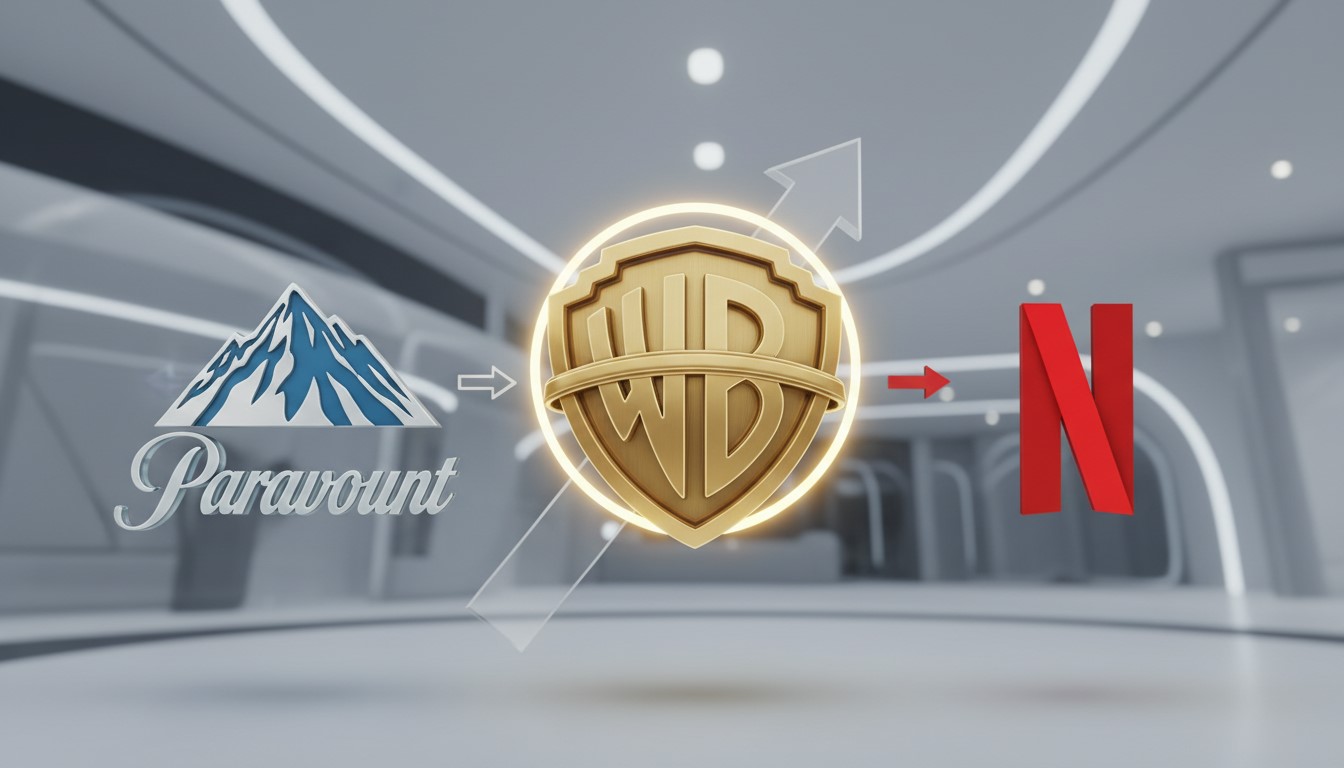
Warner Bros. considers Paramount’s offer better than the Netflix deal as the media landscape undergoes a seismic transformation in 2026. This pivotal decision marks a departure from short-term licensing revenue in favor of long-term structural consolidation. As Warner Bros. Discovery (WBD) navigates debt repayment and subscriber growth, the choice between partnering with a direct competitor like Netflix or merging with a legacy peer like Paramount Global defines the next decade of entertainment.
Industry analysts suggest that the internal consensus at WBD leans toward a merger. This preference stems from the desire to control distribution rather than becoming a mere content arms dealer for Netflix. In this article, we analyze the financial, operational, and strategic reasons behind this monumental preference.
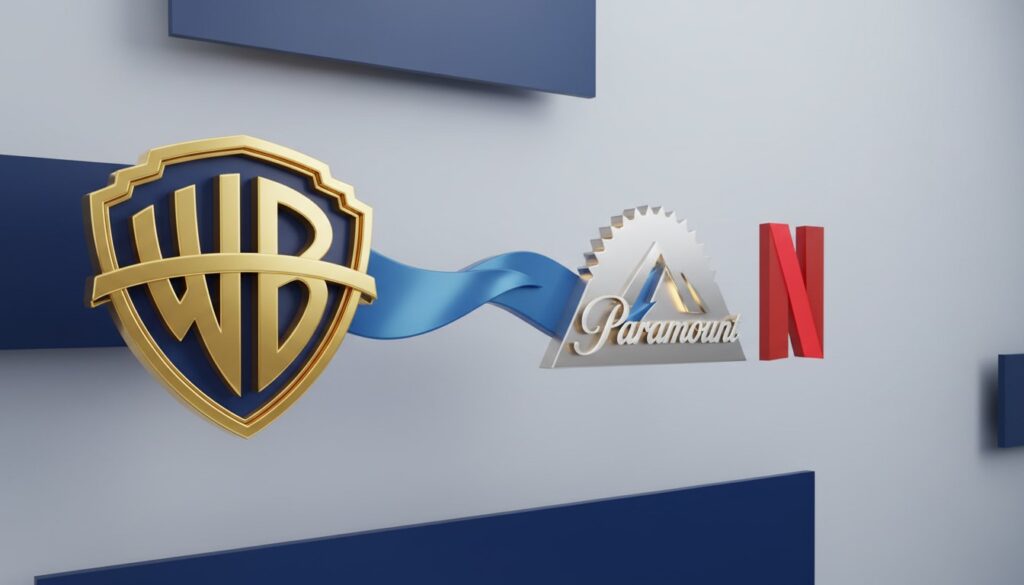
Why Warner Bros. Prioritizes the Paramount Merger Over Netflix Licensing
The fundamental reason why Warner Bros. considers Paramount’s offer better than the Netflix deal lies in asset ownership. While Netflix offers immediate cash flow for licensing rights to DC or HBO content, a Paramount deal offers equity in a consolidated media powerhouse.
1. Unified Content Libraries
By merging with Paramount, WBD gains access to a massive library including Star Trek, Mission: Impossible, and Yellowstone. This creates a content moat that can rival Disney+ and Netflix combined.
2. Advertising Dominance
A combined WBD-Paramount entity would control a significant portion of the linear and digital advertising market. With CBS (Paramount) and CNN/TNT (Warner), the combined leverage in upfront negotiations is unparalleled.
3. Sports Broadcasting Rights
The synergy between Paramount’s NFL rights and WBD’s NBA and MLB coverage would make their combined streaming platform, potentially a revamped “Max,” the ultimate destination for live sports.
Comparing the Two Paths: Paramount vs. Netflix
To understand why the Paramount offer is viewed more favorably, we must examine the core differences in business outcomes.
The Role of David Zaslav and Strategic Vision
CEO David Zaslav has been vocal about the need for consolidation. For Zaslav, the Netflix route is a “sugar high”—it fixes quarterly balance sheets but starves the internal streaming service, Max, of exclusive content. Consequently, Warner Bros. considers Paramount’s offer better than the Netflix deal because it aligns with a “build to last” mentality rather than a “build to sell” strategy.
Financial Implications for Shareholders
Investors have reacted cautiously but optimistically to the Paramount rumors. A merger would allow for massive cost-cutting through “synergies”—a corporate euphemism for eliminating redundant departments in marketing, HR, and back-end technology.
- Debt Restructuring: Combining balance sheets could allow for more favorable refinancing terms.
- Stock Valuation: A larger entity offers a more stable hedge against the volatility of the streaming-only model.
Operational Synergies: Combining Max and Paramount+
One of the most compelling arguments for the Paramount offer is the technical consolidation of streaming platforms. Maintaining two separate infrastructures is costly. By migrating Paramount+ content into the Max ecosystem, the company could save upwards of $1.5 billion annually in tech overhead alone.
Key Operational Benefits:
- Reduced Churn: A broader content library keeps subscribers subscribed for longer periods.
- Global Scaling: Utilizing Paramount’s existing international distribution channels to expand Max’s footprint.
- Bundle Power: Offering a combined package with internet service providers (ISPs) becomes more attractive with a larger catalog.
The Risk of the Netflix Route: A Cautionary Tale
While licensing to Netflix provides high-margin revenue, it effectively trains the consumer to look for HBO content on Netflix rather than Max. Over time, this devalues the proprietary platform. Warner Bros. considers Paramount’s offer better than the Netflix deal specifically because it prevents this brand erosion. If Max is to survive the “Streaming Wars,” it must remain the exclusive home of its premium IP.
Regulatory Hurdles and Challenges
Despite the strategic benefits, a WBD-Paramount merger faces intense scrutiny from the Department of Justice (DOJ) and the FTC.
- Antitrust Concerns: The concentration of news and sports media could be seen as anti-competitive.
- Job Losses: Mass layoffs often follow such large-scale mergers, leading to political pressure.
- Integration Debt: Merging two corporate cultures is notoriously difficult and can lead to operational paralysis.
Expert Opinions on the 2026 Media Shift
Leading media analysts at Variety and The Hollywood Reporter have noted that the industry is moving toward an “Oligarchy of Three.” If WBD chooses Paramount, they secure their spot in that top tier. If they choose the Netflix licensing path, they risk becoming a high-end production house for other platforms.
“The decision for WBD isn’t just about money; it’s about survival. In a world of giants, you either grow or you are consumed.” — Industry Analyst, 2025 Report.
In conclusion, the preference for a Paramount merger over a Netflix licensing arrangement signifies a bold bet on the future of integrated media. Warner Bros. considers Paramount’s offer better than the Netflix deal because it provides the scale necessary to compete with tech giants like Amazon and Apple. While risks regarding debt and regulation remain, the potential for creating an unmatched entertainment titan is too significant to ignore. As 2026 progresses, the industry will watch closely to see if this strategic vision translates into market dominance.
