


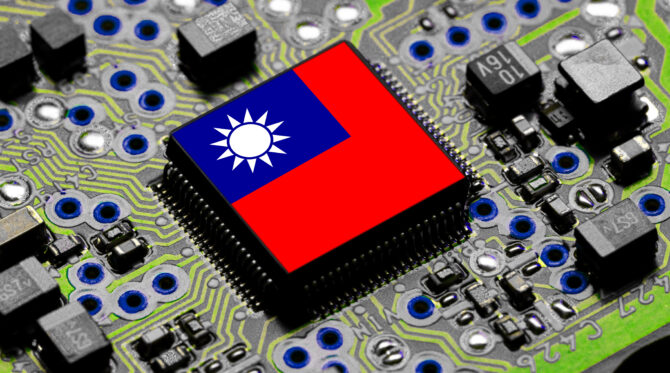
The global race for artificial intelligence is entering a new phase. Taiwan, home to some of the world’s most advanced semiconductor manufacturers, is considering stricter controls on the export of AI chips to China. The move would align Taiwan more closely with the United States’ strategy of limiting China’s access to cutting-edge technologies.
While the issue may seem highly technical, its impact could reach far beyond government policies and international trade. AI chips power everything from smartphones and cloud computing services to advanced artificial intelligence systems, making them one of the most valuable resources in the modern digital economy.
As tensions between the world’s two largest economies continue to grow, Taiwan’s potential decision could have major consequences for technology companies, investors, and consumers around the globe.
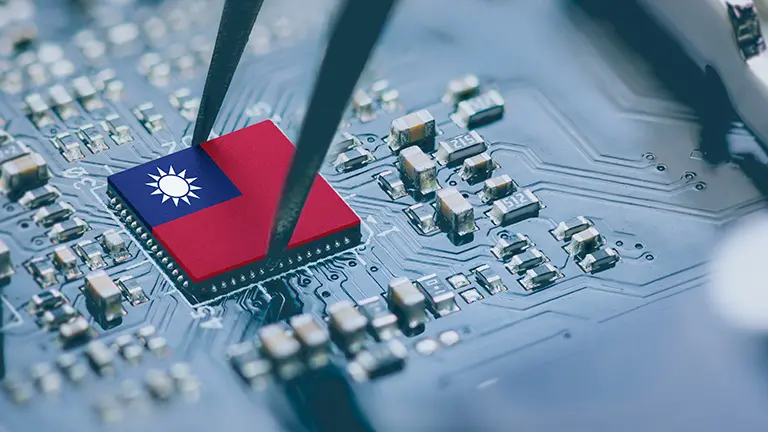
Why AI Chips Matter So Much
Artificial intelligence requires enormous computing power. Whether it is training large language models, running advanced analytics, or powering autonomous systems, AI relies on highly sophisticated semiconductor chips.
These chips are designed to process massive amounts of data at incredible speeds. They are essential for technologies such as machine learning, facial recognition, generative AI, autonomous vehicles, and advanced robotics.
As AI adoption accelerates across industries, demand for high-performance chips has skyrocketed. Companies that can produce these components hold significant influence over the future of technological innovation.
This is why AI chips have become a strategic asset, often compared to oil during previous industrial eras.
Taiwan’s Critical Role in the Semiconductor Industry
Taiwan occupies a unique position in the global technology ecosystem. The island is home to Taiwan Semiconductor Manufacturing Company, widely known as TSMC, the world’s leading contract chip manufacturer.
TSMC produces advanced semiconductors for some of the biggest technology companies on the planet. Its customers include smartphone manufacturers, cloud computing providers, AI developers, and automotive companies.
Industry analysts estimate that a significant share of the world’s most advanced chips is manufactured in Taiwan. This gives the island tremendous influence over the global technology supply chain.
As a result, any changes to Taiwan’s export policies are closely monitored by governments and businesses worldwide.
Why the United States Is Restricting China’s Access
The United States has increasingly viewed advanced semiconductor technology as a national security issue.
American officials argue that powerful AI systems can be used not only for commercial innovation but also for military applications, cyber operations, and strategic intelligence programs.
To slow China’s progress in these areas, Washington has introduced a series of export controls targeting advanced semiconductors, chip manufacturing equipment, and related technologies.
The U.S. government has also encouraged allies and strategic partners to adopt similar measures. The goal is to limit China’s ability to acquire the hardware necessary to develop the most advanced AI systems.
This approach has become a central element of the broader technological competition between Washington and Beijing.
What Taiwan Is Considering
Reports suggest that Taiwan is evaluating additional restrictions on exports of advanced AI chips and semiconductor technologies to Chinese companies.
Potential measures could include tighter licensing requirements, enhanced export monitoring, and expanded restrictions on certain high-performance processors used in artificial intelligence applications.
Although no final decision has been announced, the possibility of stricter controls has already attracted significant attention from the technology industry and financial markets.
If implemented, these measures could further reduce China’s access to some of the world’s most advanced computing technologies.
How China Could Be Affected
China has invested heavily in artificial intelligence over the past decade. The country has ambitious goals to become a global leader in AI research, development, and commercialization.
Despite these efforts, many Chinese companies still rely on foreign suppliers for access to the most advanced semiconductors.
Stricter export controls from Taiwan could create additional challenges for Chinese technology firms, particularly those developing large AI models, data centers, and high-performance computing systems.
In response, China is likely to accelerate investments in its domestic semiconductor industry. The government has already committed billions of dollars to support local chip manufacturers and reduce dependence on foreign technology.
While progress has been made, achieving complete semiconductor self-sufficiency remains a complex and long-term challenge.
Potential Impact on the Global Technology Market
The semiconductor industry operates through a highly interconnected international supply chain. Changes in one part of the system often affect multiple industries and regions.
If Taiwan introduces stricter export restrictions, technology companies may need to adjust sourcing strategies and explore alternative supply chains.
Investors are also watching developments closely, as semiconductor stocks often react strongly to geopolitical events and regulatory changes.
Some experts believe tighter controls could encourage innovation by motivating countries to develop domestic manufacturing capabilities. Others warn that increased fragmentation may raise costs and reduce international collaboration.
Regardless of the outcome, the semiconductor sector is expected to remain one of the most strategically important industries in the global economy.
The Growing AI Competition
Artificial intelligence has become one of the most competitive technological fields of the 21st century.
Governments see AI as a driver of economic growth, scientific advancement, and national competitiveness. Technology companies view it as the foundation of future products and services.
As a result, access to advanced semiconductor technology has become a key factor in determining which countries and companies will lead the next wave of innovation.
The competition between the United States and China is no longer limited to trade disputes. It increasingly revolves around control of critical technologies that will shape the future of global economic and political power.
What Happens Next?
Taiwan has not yet finalized any new export restrictions, but discussions are expected to continue in the coming months.
Analysts believe that closer coordination between Taiwan and the United States is likely, especially as concerns about technological security continue to grow.
Meanwhile, China will likely intensify efforts to strengthen its domestic semiconductor ecosystem and reduce reliance on foreign suppliers.
Technology companies, investors, and policymakers around the world will be closely monitoring these developments, as they could influence the future direction of the AI industry.
Conclusion
Taiwan’s consideration of tougher restrictions on AI chip exports to China highlights the growing importance of semiconductors in today’s geopolitical landscape.
What was once a highly specialized manufacturing sector has become a strategic battleground at the center of global technological competition.
As the United States seeks to limit China’s access to advanced technologies and China works to expand its domestic capabilities, Taiwan remains a crucial player in the future of artificial intelligence and semiconductor innovation.
The decisions made in the coming months could shape not only the AI industry but also the broader balance of technological and economic power for years to come.
