


US Takes Action Against Palestine Action
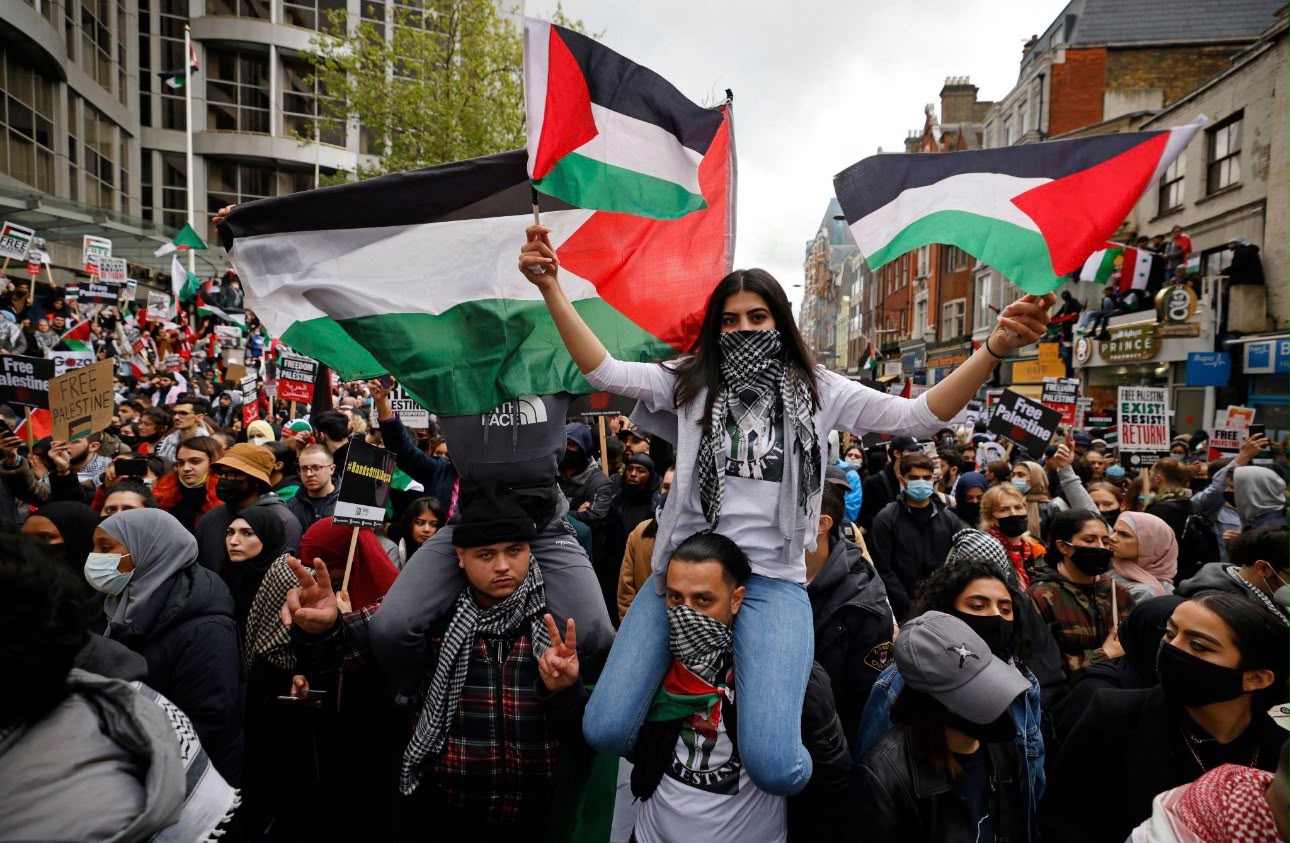
The United States has announced sanctions against Palestine Action, a UK-based organization known for direct-action campaigns targeting companies and facilities connected to Israel’s defense industry.
The US Department of the Treasury’s Office of Foreign Assets Control (OFAC) announced the measure on August 26, 2026, as part of a broader campaign targeting what the administration describes as violent far-left terrorist networks. (U.S. Department of the Treasury)
The action was taken under Executive Order 13224, a US counterterrorism authority that allows Washington to impose financial restrictions on individuals and organizations it determines have links to terrorism or terrorist activity. (U.S. Department of the Treasury)
The designation gives the US government additional tools to restrict financial activity involving the organization within US jurisdiction.
What Is Palestine Action?
Palestine Action is a British activist organization established in 2020. It has become known for direct-action campaigns against companies and facilities that activists say are connected to Israel’s defense industry.
The group has used disruptive tactics, including protests and actions targeting defense-related infrastructure.
According to the US Treasury, Palestine Action has supported acts that Washington considers terrorism, including actions involving damage to defense infrastructure and military facilities. The department also accused the group of promoting similar tactics through social media. (U.S. Department of the Treasury)
Palestine Action disputes the characterization of its activities as terrorism and has presented its campaign as political activism aimed at disrupting the Israeli defense industry.
The UK Had Already Banned the Group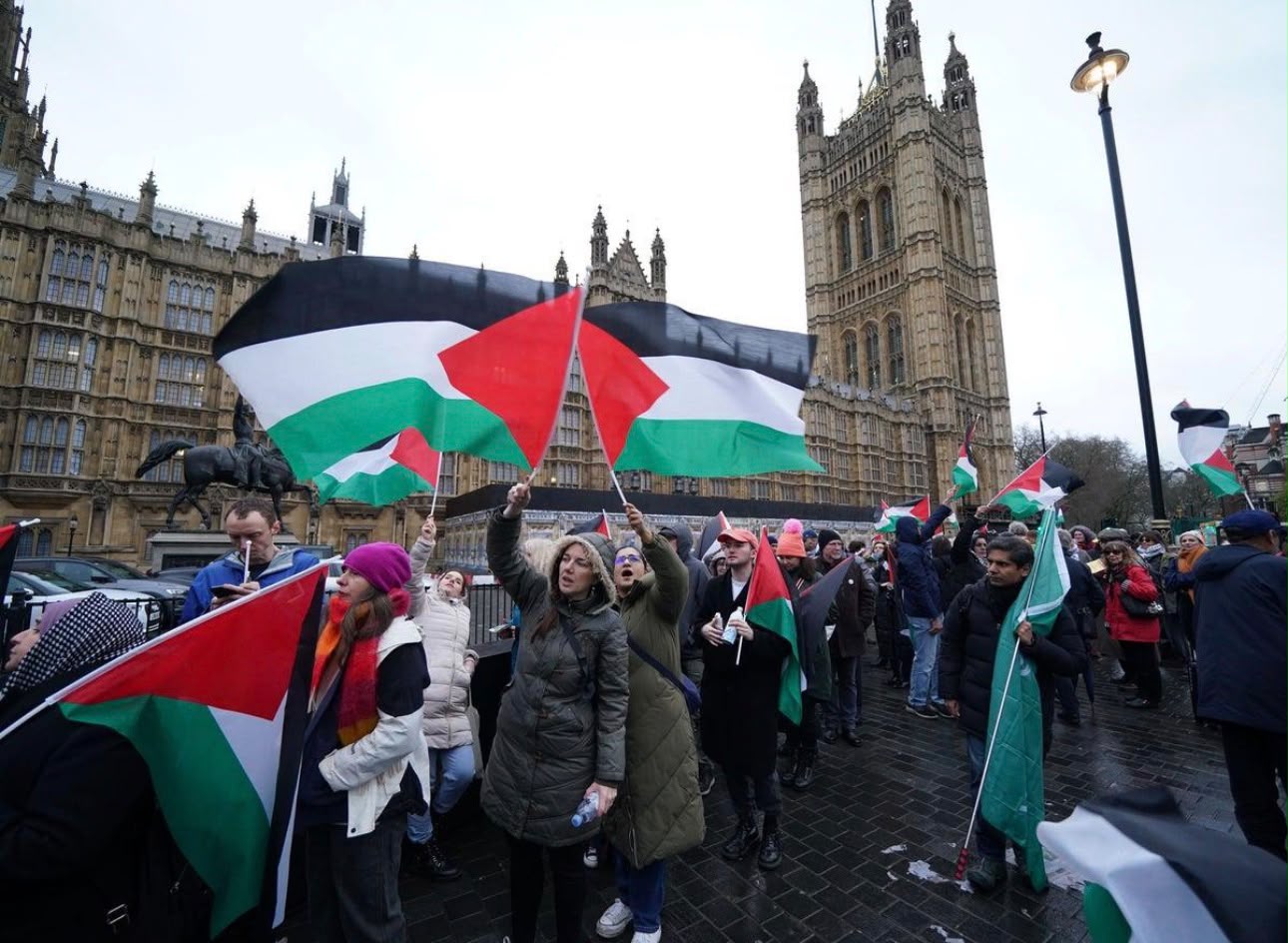
The American decision follows an earlier move by the United Kingdom.
In July 2025, the British government proscribed Palestine Action under Section 1 of the Terrorism Act 2000. That decision made membership in or support for the organization a criminal offense under UK law. (U.S. Department of the Treasury)
The British government argued that the group’s activities had gone beyond conventional protest and included serious criminal acts involving damage to property and attacks on defense-related sites.
The US Treasury specifically noted that its August 2026 action complements the UK’s earlier proscription. (U.S. Department of the Treasury)
Why Did the United States Act Now?
The designation forms part of a broader Trump administration campaign against organizations Washington describes as part of violent far-left networks.
On the same day, the US Treasury announced measures against Autistici/Inventati, an Italy-based entity, and Masar Badil, a transnational organization, along with two individuals associated with the latter group. (U.S. Department of the Treasury)
The Treasury described the measures as part of a government-wide effort to disrupt financial and logistical infrastructure associated with what it calls far-left terrorism.
US officials argue that political violence and attacks intended to intimidate populations, damage infrastructure or influence government policy through coercion fall within the definition of terrorism used by the relevant counterterrorism authorities. (U.S. Department of the Treasury)
What Do the US Sanctions Mean?
The most immediate impact is financial.
When an organization is designated under US counterterrorism sanctions, transactions and property subject to US jurisdiction can become subject to blocking restrictions. Individuals and companies operating under US jurisdiction can also face restrictions on dealings with designated entities.
This can make it significantly more difficult for an organization to access parts of the international financial system.
The decision therefore goes beyond political condemnation. It gives Washington a mechanism to disrupt financial relationships connected to the designated organization.
The Decision Is Highly Controversial
The classification of Palestine Action as a terrorist organization is politically and legally contentious.
Supporters of the US and UK decisions argue that destructive attacks against military or defense infrastructure cannot simply be treated as ordinary political protest.
Critics, however, argue that applying terrorism legislation to a political activist organization risks creating a dangerous precedent for freedom of expression and the right to protest.
The controversy is particularly significant because the debate is not simply about Palestine Action’s political objectives. It also concerns the methods the organization has used to pursue those objectives.
Palestine Action Rejects the Terrorism Label
Palestine Action has rejected the characterization of its activities as terrorism.
Its supporters argue that the organization’s actions are intended to disrupt companies they believe contribute to Israel’s military capabilities and the war in Gaza.
The group has also criticized the use of terrorism legislation against political activists, arguing that the measures threaten civil liberties.
Reuters reported that Palestine Action co-founder Huda Ammori criticized the US decision and described it as a threat to free speech and civil liberties. (Reuters)
The Legal Battle in the UK Continues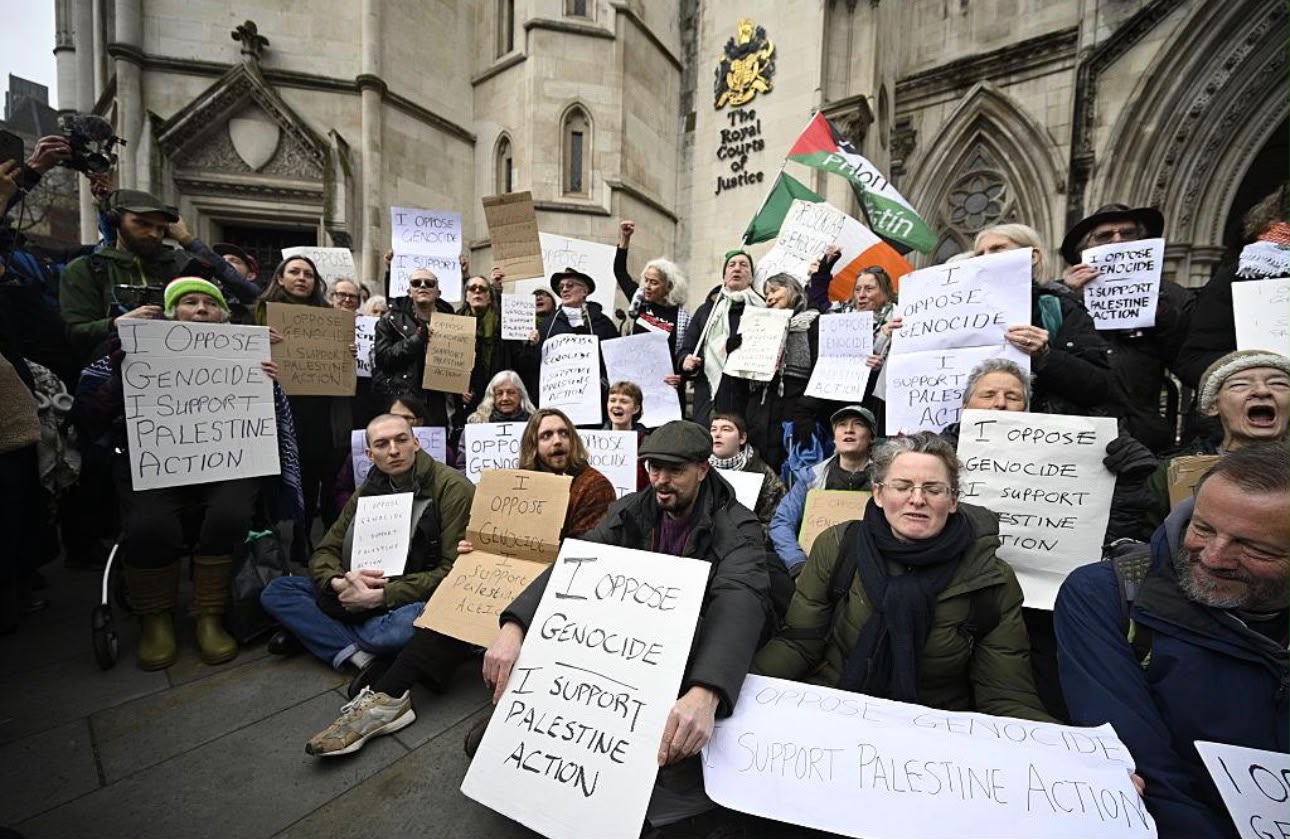
The controversy is also being fought in the British courts.
The legality of the UK’s decision to proscribe Palestine Action has been challenged, meaning that the organization’s legal status remains the subject of judicial scrutiny.
The US decision adds another layer to the dispute because it introduces American sanctions independently of the ongoing UK legal process.
This means that even if the British legal situation changes in the future, the US designation would remain a separate matter governed by American law.
Washington’s Broader Counterterrorism Strategy
The action against Palestine Action comes as the Trump administration places increased emphasis on what it describes as the threat posed by violent far-left groups.
The US Treasury said the 2026 US Counterterrorism Strategy identifies violent far-left terrorist groups as one of the major terrorist threats facing the United States. (U.S. Department of the Treasury)
Treasury Secretary Scott Bessent said the administration would use economic tools to disrupt the financial networks of organizations involved in political violence.
The strategy reflects a broader effort to use financial sanctions alongside traditional law-enforcement and counterterrorism measures.
What Happens Next?
The consequences of the US decision are likely to develop over time.
For Palestine Action, the designation could increase financial and operational pressure while its legal challenges in Britain continue.
For governments and financial institutions, the decision creates additional compliance considerations when dealing with individuals or entities connected to the organization.
The case could also become an important reference point in future debates over where governments should draw the line between political activism, civil disobedience, property destruction and terrorism.
Why This Matters Internationally
The decision is significant because Palestine Action is a British organization, yet it has now become the target of US counterterrorism measures.
That demonstrates how actions taken by one government can have international consequences when financial sanctions are involved.
It also highlights the growing use of economic sanctions as a foreign-policy and security instrument.
For observers, the central question will be whether the designation succeeds in disrupting activities that Washington considers terrorist-related while avoiding excessive restrictions on legitimate political expression.
Final Thoughts
The United States’ decision to designate Palestine Action on August 26, 2026 marks a major escalation in the international pressure facing the organization.
The move follows the UK’s decision to proscribe Palestine Action in 2025 and gives Washington additional financial tools to target the group. (U.S. Department of the Treasury)
At the same time, the decision is likely to remain controversial because of the wider debate surrounding political protest, civil liberties and the definition of terrorism.
As legal proceedings in the United Kingdom continue, Palestine Action’s case could become an important test of how governments respond to activist groups that use disruptive or destructive direct-action tactics.
For now, one thing is clear: the US designation has transformed Palestine Action from a primarily British political and legal controversy into an issue with broader international implications.
