


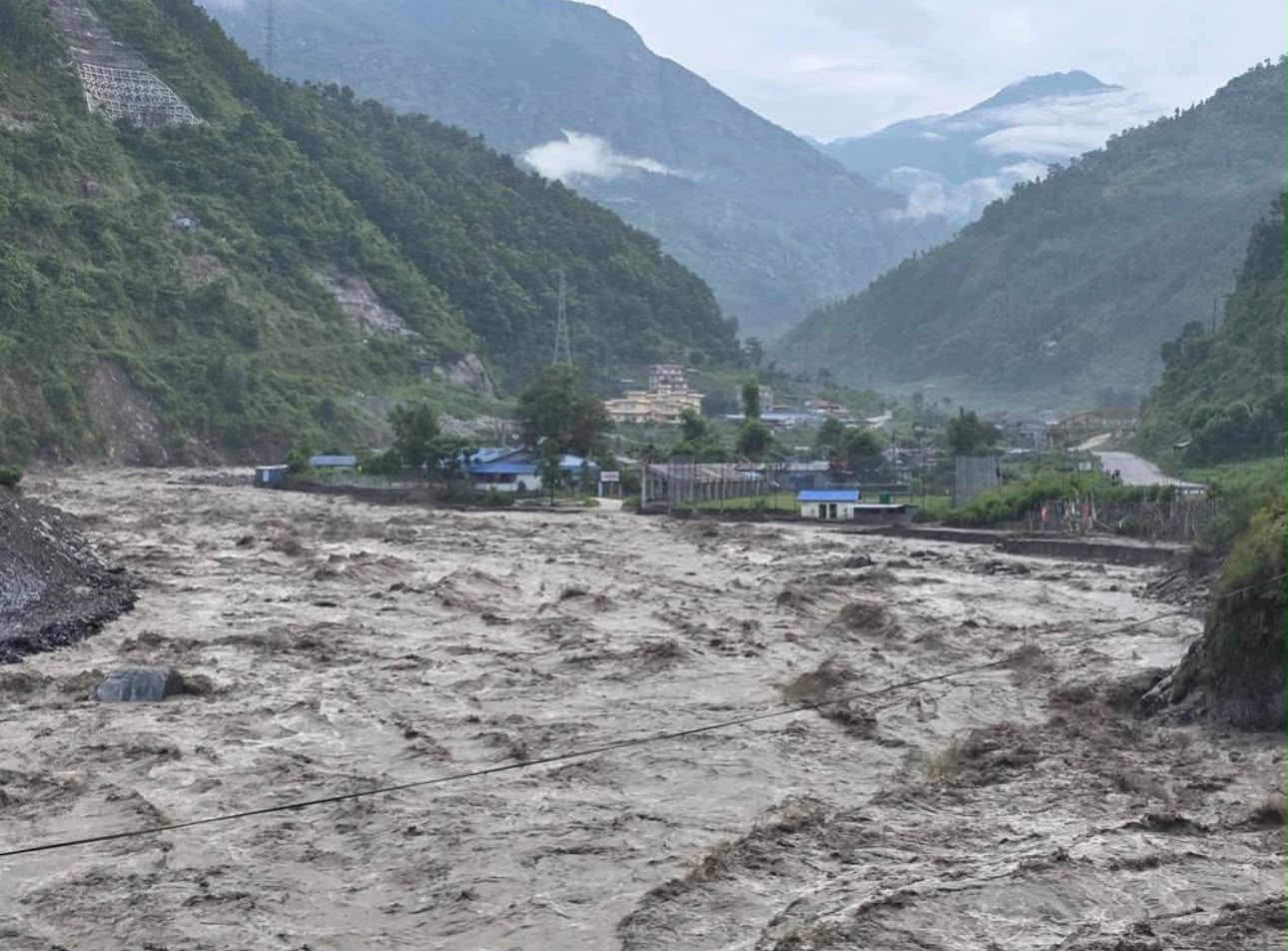
The Northern Nepal Flash Flood has swept through parts of northern Nepal, leaving communities devastated and authorities racing to respond to a rapidly developing emergency.
A powerful flash flood swept through parts of northern Nepal on Wednesday, August 26, leaving communities along the Bhote Koshi River facing extensive destruction and an uncertain rescue operation.
The worst-affected areas include parts of Rasuwa district, particularly Timure and Syabrubesi, close to the Nepal-China border. Videos and images emerging from the region show floodwaters carrying mud and debris through settlements and damaging buildings and infrastructure.
Authorities have warned that the full scale of the disaster is still being assessed. At the time of reporting, there was no final official figure for deaths or injuries, but officials have warned that casualties could be significant. (Internazionale)
What Caused the Flash Flood?
One of the most alarming aspects of the disaster is how suddenly the flood arrived.
The Bhote Koshi River experienced a dramatic rise in water levels after a large volume of water entered Nepal from the direction of Tibet. The exact cause was still being investigated.
Nepal’s Flood Forecasting Division said the flood did not appear to have been caused simply by heavy rainfall in Rasuwa. Some experts and local reports have raised the possibility of a glacial lake outburst flood, but authorities had not yet definitively established the trigger. (Kathmandu Post)
That uncertainty makes the situation even more difficult for communities downstream.
Timure and Syabrubesi Among the Hardest-Hit Areas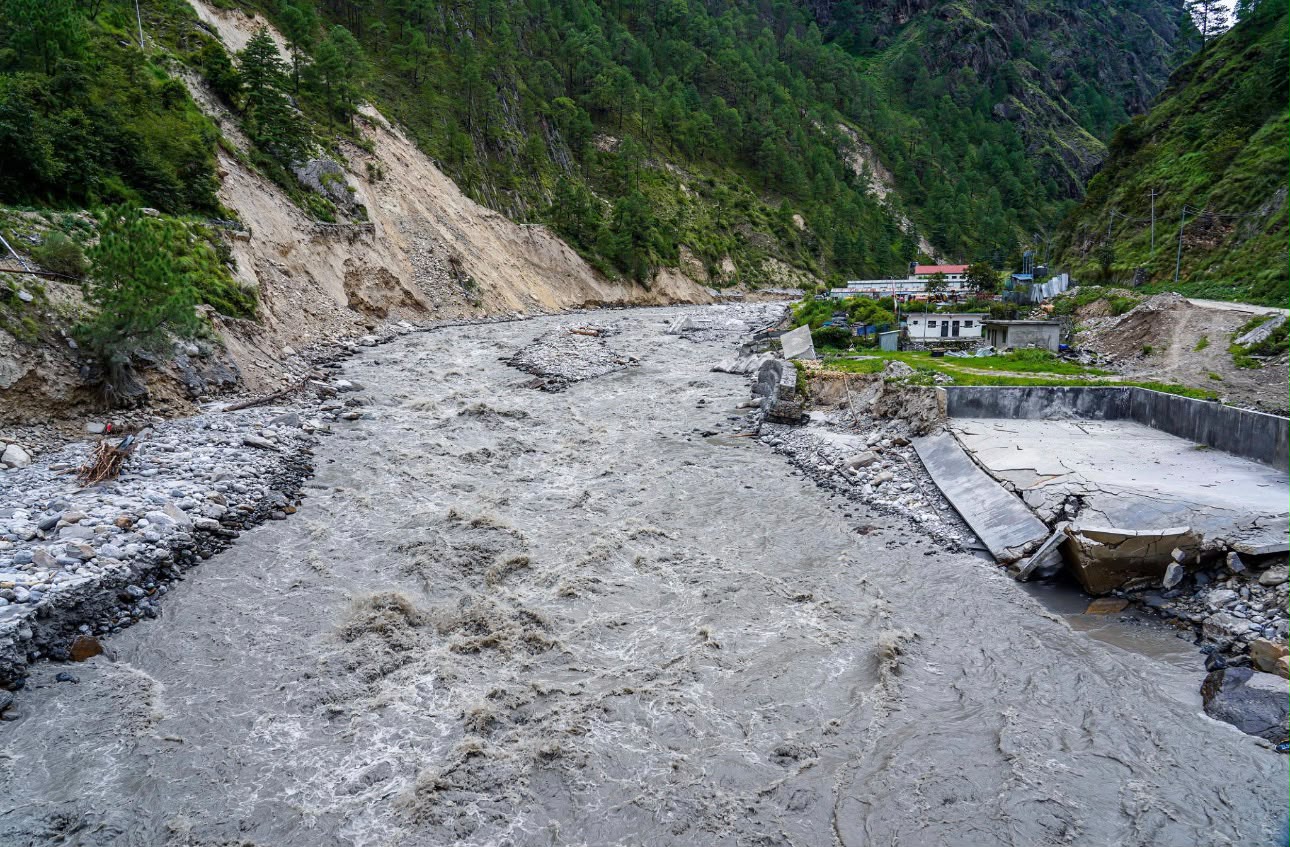
Timure, an important settlement near the Nepal-China border, was among the areas severely affected.
Syabrubesi and other communities along the river corridor also suffered major damage. Reports indicate that buildings, roads, market areas and infrastructure projects were hit by the powerful surge.
The destruction was not limited to a single location. Floodwaters continued downstream through the river system, prompting authorities to warn communities in areas including Nuwakot and further downstream to remain highly alert. (OnlineKhabar)
Nine Security Personnel Reported Missing
The disaster has also affected security personnel deployed near the border.
According to local reporting, nine Armed Police Force personnel stationed in Timure were reported missing after floodwaters reached the area. Police facilities in Timure and Syabrubesi were also damaged. (Kathmandu Post)
Search-and-rescue operations have been launched as authorities attempt to determine the whereabouts of those missing and assess the condition of affected communities.
Nepal Mobilises Rescue Teams and Helicopters
The Nepalese government has responded by deploying security forces, medical teams and helicopters to the affected areas.
Nepal Army helicopters have been used in the rescue effort, including an MI-17 carrying an emergency medical team toward the affected region. Additional rescue personnel have also been mobilised from nearby areas. (OnlineKhabar)
Prime Minister Balendra Shah has instructed government agencies to intensify rescue and relief operations while residents living in vulnerable downstream areas are being encouraged to move toward safer locations. (Kathmandu Post)
More Communities Remain on Alert
The danger has not necessarily ended with the first wave of flooding.
Because the Bhote Koshi flows into the Trishuli River system, communities farther downstream have been warned about potentially dangerous changes in water levels.
Authorities have urged residents near rivers and other high-risk areas to remain vigilant and follow official instructions rather than relying on rumours circulating online. (OnlineKhabar)
This is particularly important during a rapidly developing disaster, when unofficial reports can spread faster than verified information.
Why This Disaster Is So Concerning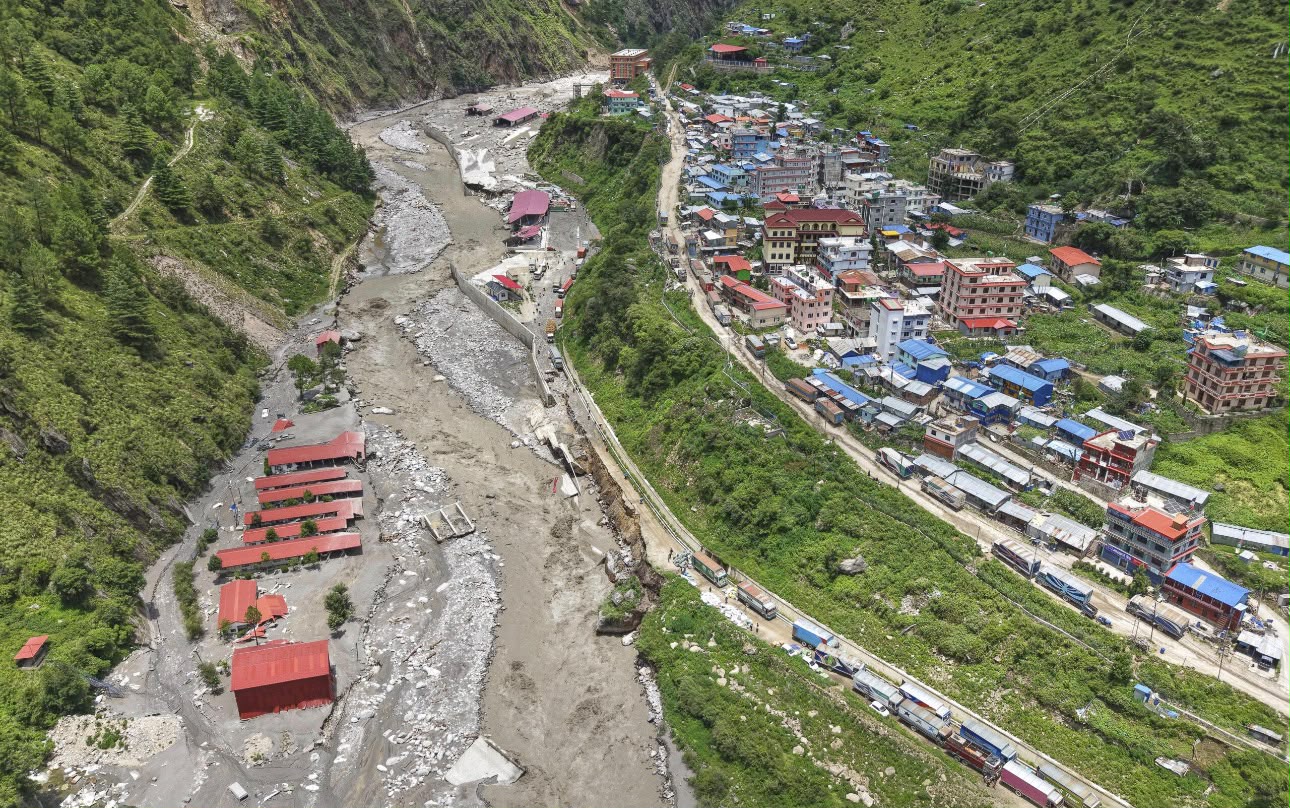
The location of the flooding makes the emergency especially challenging.
Northern Nepal is mountainous, and many settlements are located along narrow river valleys. When a large volume of water moves rapidly through these areas, communities may have very little time to react.
The sudden nature of Wednesday’s flood also means that emergency teams have had to work while the situation continues to develop.
The authorities are still trying to determine the total number of people affected, the extent of property damage and whether additional communities remain at risk.
The Human Cost Is Still Unknown
Perhaps the most important detail at this stage is also the one that remains uncertain: how many people have been affected or lost their lives.
Officials have warned of the possibility of heavy casualties, but a reliable final death toll was not immediately available.
Rescue teams must first reach isolated areas, search damaged buildings and assess communities along the river before a complete picture can emerge. (Internazionale)
For families waiting for information about missing relatives, those hours can be devastating.
A Warning for Communities Along the Rivers
The disaster has once again highlighted the risks faced by communities living close to Himalayan rivers.
A flood can transform a relatively normal river into a dangerous torrent within a very short period. For people living downstream, early warnings and rapid evacuation can make the difference between safety and tragedy.
Authorities are therefore urging residents in vulnerable areas to remain alert and move to safer ground whenever instructed.
What Happens Next?
The immediate priority is rescue.
Emergency teams will continue searching for missing people, treating the injured and assessing damage to homes, roads, bridges and other infrastructure.
Authorities will also need to determine exactly what triggered the sudden surge of water and whether additional hazards remain.
As information continues to emerge from Rasuwa and downstream districts, the situation could change quickly.
Final Thoughts
The images emerging from northern Nepal offer a stark reminder of how quickly a natural disaster can change an entire community.
The flash flood struck with extraordinary force, damaging settlements and infrastructure near the Tibet border and sending authorities into an urgent rescue operation.
For now, the focus remains on finding missing people, protecting communities downstream and bringing assistance to those whose homes and livelihoods have been affected.
The final human and economic cost of the disaster may only become clear in the days ahead.
This is a developing story. Information may change as Nepalese authorities continue search, rescue and assessment operations.
