


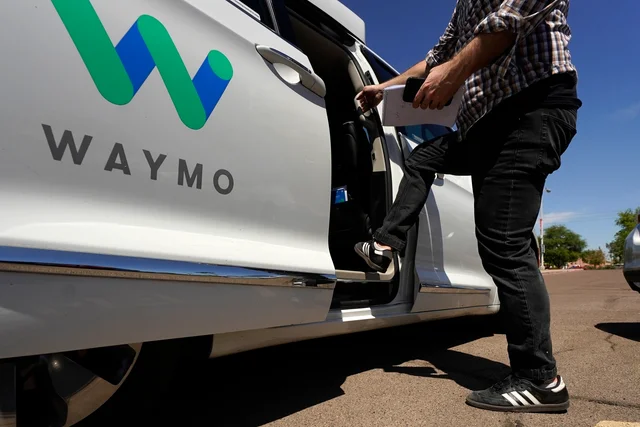
Waymo has temporarily paused part of its autonomous vehicle services in the United States after several incidents involving flooded roads. The decision raised questions about how ready self-driving technology really is for extreme weather conditions and how safe it is in unpredictable real-world situations.
This event is not just about one company. It also reflects a bigger challenge in the world of autonomous driving: even the most advanced artificial intelligence still struggles when nature becomes unpredictable.
What exactly happened?
In recent days, heavy rainfall caused flooding in several urban areas where Waymo robotaxis were operating. These vehicles are designed to drive without human input, using cameras, sensors, radar, and artificial intelligence to navigate roads safely.
However, during the flooding, some of the autonomous cars reportedly approached or entered water-covered streets. Even if no major accidents were publicly confirmed, the situations were serious enough to trigger concern from the company.
Flooded roads are especially dangerous for self-driving systems because it is often difficult to determine:
- How deep the water is
- Whether the road underneath is still safe
- If there are hidden obstacles or damage
- Whether the vehicle should stop or reroute immediately
For a human driver, these decisions may still be challenging, but humans can rely on intuition and experience. For AI systems, the situation is much more complex.
Why floods are such a big problem for autonomous cars
Self-driving cars rely on a combination of sensors and software to understand the world. These systems are usually very effective in normal conditions, such as clear roads, predictable traffic, and standard weather.
But floods create multiple layers of confusion for the system.
First, water can distort sensor readings. Cameras may struggle with reflections, glare, or poor visibility. Radar and lidar systems can also produce unclear signals when surfaces are covered in water.
Second, road markings often disappear under floodwater. Lane lines, curbs, and road edges are key references for autonomous navigation. Without them, the system loses important guidance.
Third, AI models are trained on data from real-world driving, but extreme floods are less common. That means the system may not have enough examples to make perfect decisions in such conditions.
Because of these risks, even a small mistake can lead to dangerous situations, such as a vehicle entering deep water or getting stuck.
Why Waymo decided to pause operations
To reduce risk, Waymo chose to temporarily suspend or limit operations in affected areas. This is a safety-first decision and is actually common in the autonomous vehicle industry.
The company focused on three main actions:
- Stopping service in flood-affected zones to prevent vehicles from entering dangerous areas
- Reducing operations during severe weather alerts
- Reviewing system performance and improving detection of risky conditions
This kind of pause does not mean the technology has failed completely. Instead, it shows that companies are still learning how to handle extreme real-world situations safely.
Waymo has not announced a specific date for full operations to resume, which suggests that further testing and adjustments may be needed.
The bigger picture: self-driving technology is still evolving
Autonomous vehicles are one of the most ambitious technologies in modern transportation. Companies like Waymo have made major progress in recent years, especially in controlled environments such as specific city zones with mapped routes.
In many everyday situations—traffic jams, highways, stoplights, and pedestrian crossings—these systems can already perform very well.
However, real life is not always predictable. Weather events like:
- Heavy rain
- Snowstorms
- Floods
- Dust storms
still represent major challenges.
These conditions test not only the hardware of the car but also the intelligence of the software. The system must quickly decide whether to continue driving, slow down, stop, or completely reroute.
Even small errors in judgment can have serious consequences, which is why companies take such incidents very seriously.
Why safety decisions like this matter

Some people may wonder why companies simply don’t let the cars “try harder” or “learn on the road.” But in autonomous driving, safety decisions are extremely strict.
When a risk is detected, companies prefer to stop operations rather than continue and risk accidents. This is because trust is one of the most important parts of self-driving technology.
If passengers or the public lose confidence in the system, it becomes much harder to expand the technology in the future.
So, temporary shutdowns are actually part of a responsible development process. They allow engineers to:
- Collect real-world data from incidents
- Improve machine learning models
- Update safety rules and emergency responses
- Test improvements before restarting services
What this means for the future of robotaxis
Despite this setback, autonomous driving is not slowing down. In fact, incidents like this often help improve the technology.
Waymo and other companies are likely to focus more on:
- Better weather detection systems
- Improved mapping of flood-prone areas
- Faster emergency decision-making algorithms
- Stronger safety limits that prevent risky driving attempts
In the long term, the goal is still the same: to create fully autonomous vehicles that can safely operate in almost any condition.
But events like this show that we are not fully there yet.
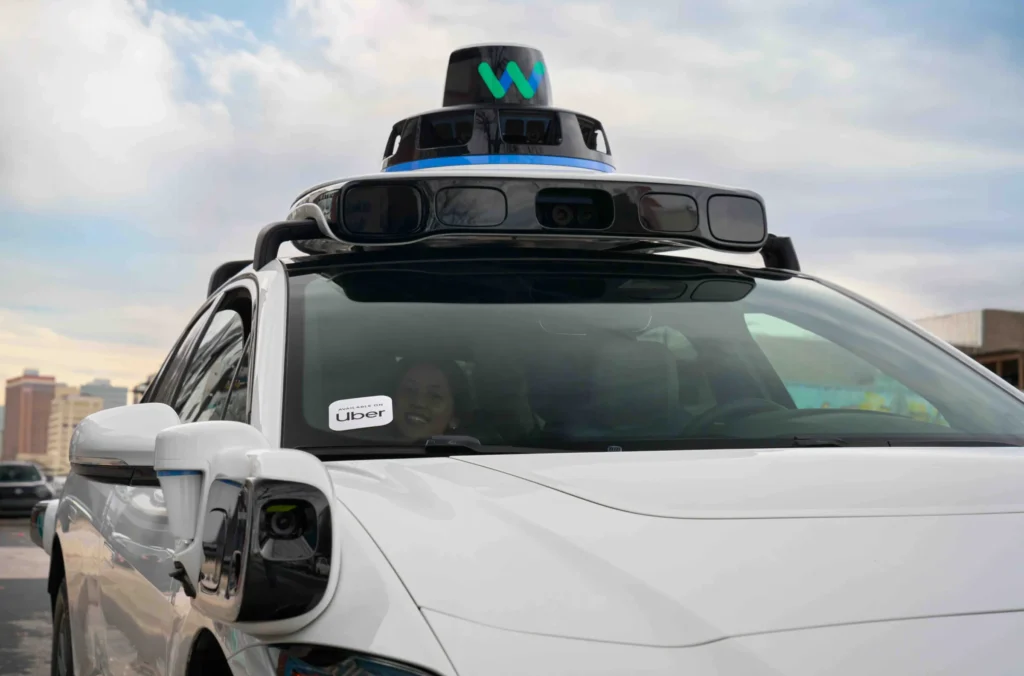
The temporary suspension of Waymo’s operations after flood-related incidents is a reminder that even advanced artificial intelligence has limits. While self-driving cars are impressive in many everyday situations, extreme weather conditions like floods remain a serious challenge.
Instead of being seen as a failure, this moment can be viewed as part of the learning process. Each incident helps engineers build safer and smarter systems for the future.
For now, human judgment still plays an essential role when nature becomes unpredictable. And until technology improves further, that balance between AI and human safety will continue to be very important in the world of transportation.
