



The world of music and technology is moving faster than ever, and a new partnership involving The Chainsmokers and Google shows how artificial intelligence is starting to reshape the future of creativity. Instead of replacing artists, this new wave of AI tools aims to help musicians create, experiment, and produce music in ways that were almost impossible just a few years ago.
The idea behind the project is simple: use artificial intelligence to support music production. AI can analyze sounds, suggest melodies, help organize recordings, and even speed up the process of building a full track. For young creators who may not have access to expensive studios or professional producers, this kind of technology could open doors that were once closed.

For The Chainsmokers, known for blending electronic beats with pop music, technology has always been part of their identity. Their involvement in AI-driven music tools shows that major artists are not afraid of innovation. Instead, they see AI as a creative partner — something that can inspire new ideas rather than replace human emotion and storytelling.
One of the biggest advantages of AI in music production is efficiency. Artists often spend hours testing sounds, editing vocals, and adjusting mixes. AI tools can automate repetitive tasks, allowing musicians to focus more on creativity and less on technical work. This means songs can move from idea to release much faster, which is especially important in today’s digital world where trends change quickly.
However, the rise of AI in music also raises important questions. Some fans worry that songs created with AI might feel less authentic. Others are concerned about copyright, ownership, and whether AI models are trained using existing artists’ work without permission. These discussions are becoming central as the music industry tries to balance innovation with fairness.
Supporters argue that every major technological change in music — from synthesizers to digital recording software — faced similar criticism at first. Over time, those tools became normal parts of the creative process. AI may follow the same path, becoming just another instrument artists can use.
For young musicians and content creators, this shift could be especially powerful. AI tools lower the barrier to entry, meaning anyone with a laptop and creativity can experiment with professional-level production. This democratization of music creation could lead to more diverse sounds, new genres, and voices from parts of the world that previously had limited access to the global industry.
At the same time, human creativity remains the core of music. AI can suggest chords or rhythms, but it cannot truly experience emotions, culture, or personal stories. Artists still decide what a song means and how it connects with listeners. The technology acts as an assistant, not the artist itself.
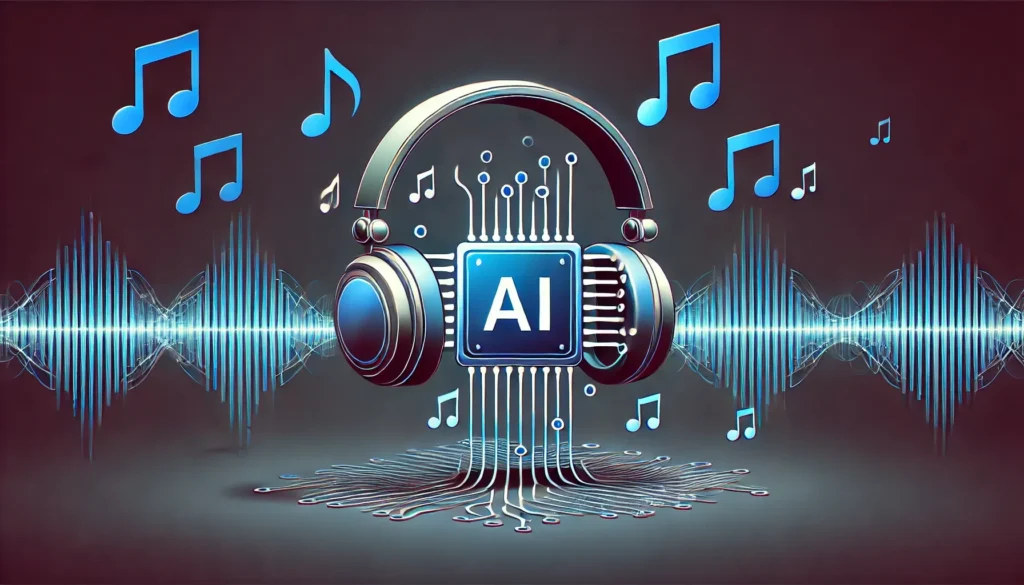
The collaboration highlights a bigger trend: technology companies and musicians are starting to work together instead of competing. As AI becomes smarter, partnerships like this may define the next era of entertainment, where creativity and algorithms work side by side.
In the end, the message is clear — AI is not just changing how music is distributed or promoted; it is changing how music is created. And if projects like this succeed, the next global hit song might not come only from a traditional studio, but from a collaboration between human imagination and intelligent software.
