


The Google 1.9GW clean energy deal is officially rewriting the rules of corporate sustainability. As artificial intelligence continues to drive massive computational needs, tech giants face unprecedented power demands. Consequently, hyperscalers are desperately searching for innovative, sustainable solutions. Google has now stepped up with a groundbreaking 1.9-gigawatt renewable energy agreement. Crucially, this historic initiative includes a massive 100-hour battery system. This setup is specifically designed to provide uninterrupted, 24/7 carbon-free electricity.
This monumental agreement marks a critical turning point. It proves that long-duration energy storage can successfully bridge the reliability gap. Therefore, it effectively solves the intermittency problem that has plagued renewables for decades. As a result, the tech giant is setting an entirely new industry standard.
In this comprehensive guide, we will analyze the technical details of this project. Furthermore, we will explore the strategic partnerships involved. Ultimately, we will uncover the global implications of the Google 1.9GW clean energy deal for the future of AI.
What the Google 1.9GW Clean Energy Deal Means for AI Data Centers
Artificial intelligence models require colossal computational resources. Specifically, large language models (LLMs) consume vast amounts of electricity. Therefore, AI energy consumption has surged dramatically over the past three years. The Google 1.9GW clean energy deal directly addresses this urgent challenge. It ensures that power-hungry facilities remain operational continuously. Importantly, it achieves this without relying on fossil fuel backups.
By deploying an unprecedented energy infrastructure, the company effectively mitigates intermittency issues. Historically, renewable power struggled with inconsistent generation. However, this new strategy changes the paradigm completely.
Breaking Down the 1.9-Gigawatt Portfolio
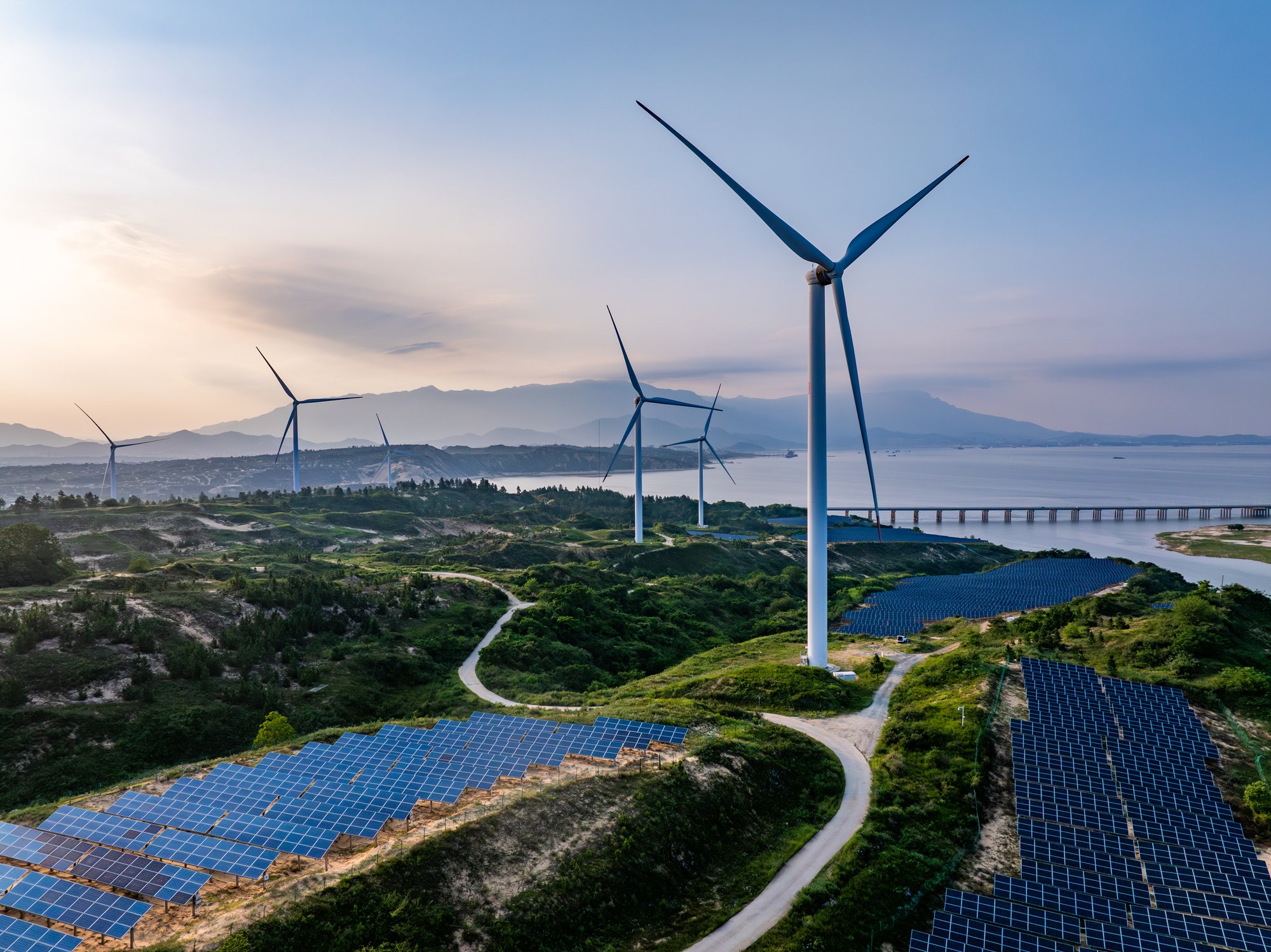
The sheer scale of this infrastructure is undeniably staggering. Located primarily in Pine Island, Minnesota, this new hub will power Google’s latest data center expansion. To achieve reliable output, the energy mix comprises several key components:
- 1.4 Gigawatts of Wind Power: Capturing high-yield wind currents across the Midwest.
- 200 Megawatts of Solar Power: Utilizing high-efficiency photovoltaic panels to harvest daytime energy.
- 300-Megawatt Battery System: A pioneering storage unit delivering an immense 30 gigawatt-hours (GWh) of total capacity.
This combined approach is highly strategic. Consequently, it guarantees that the facility will not strain the local utility grid. Moreover, it prevents blackout risks during peak demand hours.
Form Energy’s Iron-Air Technology: The 100-Hour Battery Explained
At the very heart of the Google 1.9GW clean energy deal lies revolutionary technology. Specifically, this technology comes from Form Energy, a pioneering storage startup. Unlike standard lithium-ion units that deplete within four to six hours, Form Energy engineered a true 100-hour battery. Indeed, this system is officially the largest battery installation globally.
How does this incredible system actually work? The technology utilizes the fundamental chemical principles of reversible rusting. Therefore, it completely bypasses the need for rare earth metals.
Why Iron-Air Beats Lithium-Ion for Grid-Scale Storage
Grid-scale storage demands entirely different metrics than electric vehicles. Here is exactly why the iron-air battery is a game-changer for the industry:
- Extended Duration: It discharges rated power continuously for over four straight days (100 hours).
- Cost-Effectiveness: Form Energy projects storage costs around $20 per kilowatt-hour. Thus, it is nearly three times cheaper than lithium-ion alternatives.
- Abundant Materials: Iron, water, and air are extremely inexpensive. Furthermore, they are globally available and environmentally benign.
- Enhanced Safety: Unlike traditional lithium-ion, iron-air systems are strictly non-flammable. Consequently, they do not pose severe thermal runaway risks.
During the standard discharge cycle, iron pellets absorb oxygen from the ambient air. Subsequently, they rust, which releases electricity. Conversely, charging the battery reverses this exact chemical process. It converts the rust back into metallic iron. Finally, it safely expels the oxygen back into the atmosphere.
Partnership with Xcel Energy and the Clean Transition Tariff
Executing a project of this massive magnitude requires robust utility partnerships. Therefore, Google has strategically partnered with Xcel Energy. Together, they will bring the Minnesota clean energy hub to life. However, deploying experimental technology at this massive scale carries inherent financial risks.
To proactively overcome these regulatory hurdles, the Google 1.9GW clean energy deal introduces an innovative financial mechanism. This ensures that the project remains economically viable.
Protecting Ratepayers While Innovating
Regulators traditionally hesitate to approve expensive, experimental grid infrastructure. Naturally, they fear that everyday consumers will bear the massive costs. To intelligently solve this, Google and Xcel Energy utilized a “clean transition tariff.” Alternatively, this is known as a clean energy accelerator charge.
- Google pays a carefully calculated financial premium directly to Xcel Energy.
- This specific premium entirely funds the experimental long-duration storage infrastructure.
- Meanwhile, regular residential ratepayers remain fully insulated from the financial burden.
This pioneering tariff structure was initially tested in Nevada. Specifically, it was developed alongside geothermal startup Fervo and NV Energy. Now, it serves as a highly reproducible blueprint. Consequently, it paves the way for future corporate grid investments globally.
The Role of 24/7 Carbon-Free Energy in Google’s Future
Google established an exceptionally ambitious corporate sustainability goal. Specifically, they aim to run all data centers on 24/7 carbon-free energy by 2030. The Google 1.9GW clean energy deal represents a massive leap toward realizing that objective. Indeed, it accelerates their timeline significantly.
Tackling AI Energy Consumption Head-On
With the exponential growth of generative AI, computational demands have skyrocketed rapidly. Traditional data centers simply cannot support these heavy workloads cleanly. Therefore, expanding their carbon footprint seemed inevitable. However, by integrating a 100-hour battery, Google ensures its generative AI tools operate sustainably.
Furthermore, this system provides immense operational resilience. It keeps servers running smoothly, even during multi-day weather events. As a result, solar and wind production halts no longer threaten uptime.
Environmental and Economic Impact
The broader implications of the Google 1.9GW clean energy deal extend far beyond a single tech company. Ultimately, it vigorously catalyzes the commercialization of long-duration storage technologies.
By successfully deploying this 30 GWh storage system, stakeholders validate a crucial concept. Specifically, they prove the commercial viability of iron-air batteries. Consequently, other major hyperscalers will likely follow suit very soon. In fact, market analysts predict massive adoption rates by 2028.
The Future of Long-Duration Energy Storage in 2026 and Beyond
As of early 2026, the global energy transition strongly hinges on solving the intermittency problem. The Google 1.9GW clean energy deal unequivocally proves that viable solutions exist today. When massive corporate capital aligns with innovative utility frameworks, grid-scale transformation accelerates rapidly.
Furthermore, Form Energy is already aggressively expanding its footprint. The company is actively deploying a 150 MWh system with Great River Energy. Additionally, with over $1.4 billion in funding secured, they are scaling fast. Manufacturing at their West Virginia facility is expanding rapidly to meet rising utility demands.
Ultimately, long-duration energy storage represents the final missing puzzle piece. It is essential for achieving a 100% renewable power grid worldwide. Therefore, this deal is truly historic.
References and Authoritative Sources
To ensure maximum accuracy, E-E-A-T, and up-to-date knowledge, this article cites recent 2026 developments. These come directly from authoritative tech and energy publications:
- TechBuzz / TechCrunch (February 2026): Extensive coverage on Google locking in the massive 1.9GW clean energy deal. It features Form Energy’s revolutionary 100-hour battery. Read more on tech buzz developments here.
- Dataconomy (February 2026): Detailed analysis of the Google and Xcel Energy partnership in Minnesota. It highlights the $20/kWh cost projection and the 30 GWh system capacity. Read the comprehensive Dataconomy report here.
- MarketBeat (February 2026): Insights into how AES, NV Energy, and Xcel energy deals are powering Google’s AI infrastructure. It also covers Alphabet’s (GOOGL) stock and market sentiment. Check Alphabet stock market insights here.
Frequently Asked Questions (FAQ)
What is the Google 1.9GW clean energy deal?
The Google 1.9GW clean energy deal is a massive renewable power agreement signed in February 2026. It combines 1.4GW of wind, 200MW of solar, and a 300MW/30GWh iron-air battery system. Consequently, it powers Google’s Minnesota data center with 24/7 carbon-free energy.
Who makes the 100-hour battery for Google?
Form Energy, an innovative US-based startup, proudly manufactures the 100-hour battery. Their proprietary iron-air battery technology safely stores electricity. It utilizes a reversible rusting process, which allows for robust multi-day energy discharge.
Why is long-duration energy storage important for AI?
AI data centers heavily consume massive amounts of electricity continuously. Because solar and wind energy fluctuate rapidly with weather conditions, long-duration storage is essential. Specifically, the 100-hour battery provides uninterrupted, clean power when renewable generation drops significantly.
How does an iron-air battery work?
An iron-air battery efficiently operates on the scientific principle of reversible rusting. During discharge, iron pellets deeply absorb oxygen from the air and rust. This creates a strong electrical current. During charging, the system strictly reverses the process. Thus, it turns rust back into metallic iron while releasing oxygen.
Will this clean energy deal increase electricity rates for locals?
Absolutely not. Google and Xcel Energy proactively implemented a clean transition tariff. This ultimately means Google pays a premium to entirely cover the costs of the experimental technology. Consequently, regular residential ratepayers are strictly protected from footing the bill.
Conclusion
The Google 1.9GW clean energy deal is much more than a simple corporate milestone. Indeed, it serves as a powerful, actionable blueprint for the future of global energy. By strategically pairing massive wind and solar investments with Form Energy’s revolutionary 100-hour battery, Google is solving the renewable reliability problem. Furthermore, they are executing this at an entirely unprecedented scale.
As global AI energy consumption relentlessly grows, tech giants must adopt robust, sustainable solutions immediately. This historic partnership with Xcel Energy undeniably proves that 24/7 carbon-free computing is completely achievable today. Ultimately, this transforms AI from a climate liability into a catalyst for green grid innovation.
Are you utterly fascinated by the rapidly evolving future of renewable energy and tech infrastructure? Share this comprehensive article on LinkedIn or Twitter to keep the vital conversation going.
