

The rapid growth of drone technology has transformed industries such as photography, logistics, agriculture, and infrastructure inspection. However, alongside these benefits, drones have also introduced new security challenges. Unauthorized drone flights near airports, government buildings, public events, and critical infrastructure have raised serious concerns worldwide.
To address this emerging threat, Motorola Solutions invested approximately $1.5 billion in an advanced anti-drone system designed to detect, track, and neutralize unauthorized unmanned aircraft. This acquisition marks a significant step in the evolution of airspace security and reflects the increasing importance of protecting low-altitude airspace.
This article explains in clear and professional terms how this anti-drone system works, why it matters, and how it may shape the future of global security.
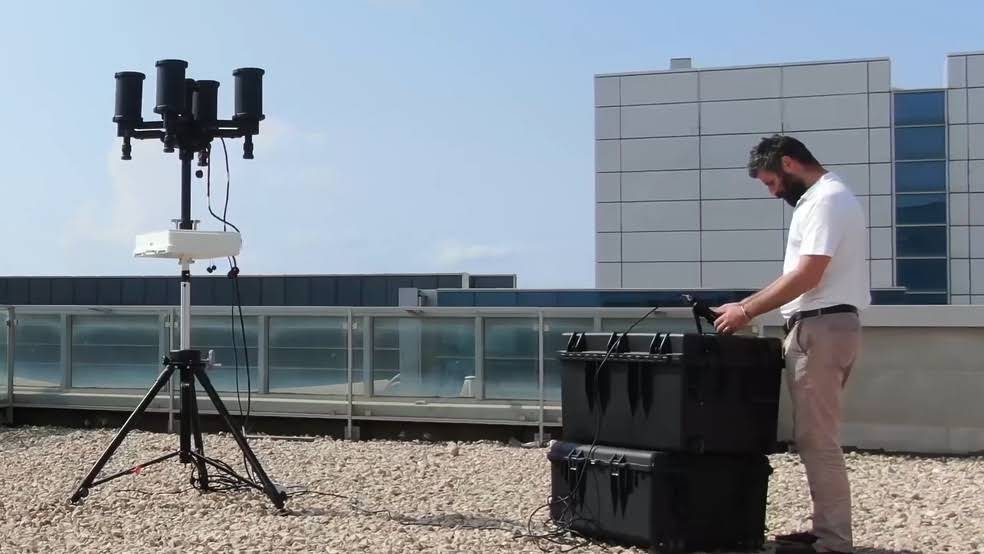
Understanding Anti-Drone Systems
An anti-drone system, also known as a counter-UAS (Unmanned Aircraft System) solution, is a set of technologies designed to identify and respond to drones operating in restricted or sensitive areas.
Unlike traditional security systems that focus on ground-level threats, anti-drone systems extend protection into the air. Their purpose is to:
- Detect drones entering restricted zones
- Identify whether the drone is authorized or unauthorized
- Track its movement in real time
- Assess potential risks
- And, when necessary, support neutralization or disruption measures
These systems are increasingly used in airports, stadiums, military bases, and government facilities where drone interference can cause safety risks or operational disruptions.
Core Technology Behind the System
The anti-drone solution acquired by Motorola Solutions is built on a multi-layered detection and response architecture. Instead of relying on a single method, it integrates several complementary technologies to improve accuracy and reduce false alarms.
1. Radar Detection Systems
Radar technology is one of the primary tools used in drone detection. Specialized short-range radars scan the airspace for small flying objects, including drones that may be difficult to see with the naked eye.
These radars can:
- Detect low-altitude objects
- Track movement patterns
- Operate in different weather conditions
- Cover wide surveillance areas
Radar is especially useful for continuous monitoring of sensitive locations.
2. Radio Frequency (RF) Analysis
Most drones rely on radio signals to communicate with their operators. RF detection systems monitor the electromagnetic spectrum to identify these communication links.
This allows the system to:
- Detect the presence of drone control signals
- Locate the position of the drone operator
- Distinguish drones from other airborne objects
- Identify drone models based on signal patterns
RF analysis is one of the most effective passive detection methods because it does not interfere with the environment.
3. Electro-Optical and Infrared Cameras
Once a drone is detected, high-resolution cameras are used for visual confirmation. These systems include:
- Electro-optical (EO) cameras for daytime imaging
- Infrared (IR) sensors for nighttime or low-visibility conditions
These cameras help security teams verify the object visually and assess its behavior in real time.
4. Acoustic Sensors
Some systems also use sound-based detection. Drones produce a distinct buzzing noise created by their motors and propellers. Acoustic sensors can pick up these sound signatures and help identify drone activity in areas where visual or radar detection may be limited.
Detection to Decision: How the System Responds
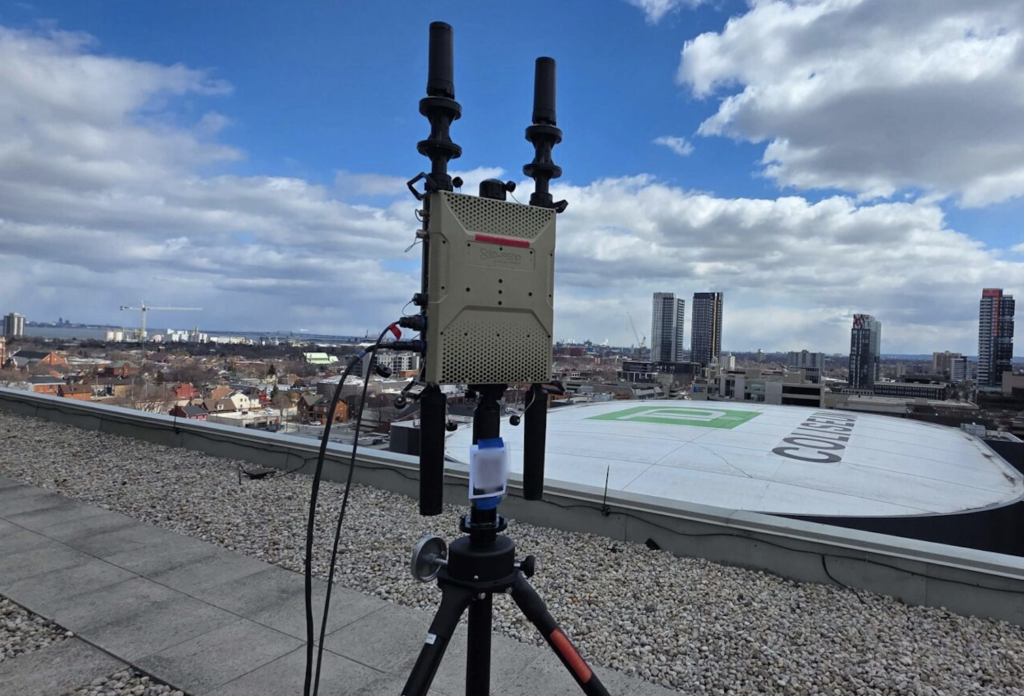
After detection, the system follows a structured process to evaluate and respond to potential threats.
Step 1: Identification
The system determines whether the detected object is actually a drone. This step is critical because it helps avoid false alarms caused by birds, aircraft, or environmental objects.
Step 2: Classification
If the object is confirmed as a drone, the system classifies it based on behavior and risk level. It evaluates:
- Flight path
- Speed and altitude
- Proximity to restricted zones
- Type of drone technology used
Step 3: Tracking in Real Time
The system then tracks the drone continuously. Operators receive live updates, including:
- Exact location
- Movement direction
- Speed changes
- Estimated origin point
This information is displayed on centralized security dashboards.
Step 4: Response Coordination
If the drone is considered a threat, the system can trigger response protocols. Depending on local regulations and operational settings, these may include:
- Alerting law enforcement or security teams
- Initiating electronic countermeasures
- Attempting signal disruption or GPS interference
- Coordinating interception strategies
The goal is to neutralize the threat while minimizing disruption to surrounding areas.
Why Anti-Drone Technology Is Becoming Essential
The rise in consumer and commercial drone usage has created new vulnerabilities. Small drones are affordable, easy to operate, and capable of entering sensitive airspace without being easily detected.
Key risks include:
- Unauthorized surveillance and espionage
- Smuggling of contraband into restricted facilities
- Disruption of airport operations
- Security threats at public gatherings
- Violation of privacy in residential and corporate environments
Because of these risks, governments and private organizations are investing heavily in counter-drone technologies.
Where These Systems Are Used
The anti-drone system developed through Motorola Solutions is designed for deployment across multiple high-security environments, including:
- International airports
- Stadiums and large public events
- Government and military installations
- Energy plants and critical infrastructure sites
- Border surveillance zones
- Corporate headquarters and research facilities
Each environment requires a different configuration, but the core goal remains the same: protect airspace from unauthorized intrusion.
Integration With Public Safety Networks
One of the key strengths of Motorola Solutions’ approach is integration. The anti-drone system is not a standalone tool; it is designed to work within broader public safety ecosystems.
It can be connected to:
- Emergency communication networks
- Police command centers
- City surveillance systems
- Artificial intelligence-based analytics platforms
This integration allows for faster coordination between detection and response teams, reducing reaction time during potential incidents.
The Strategic Importance of the $1.5 Billion Investment
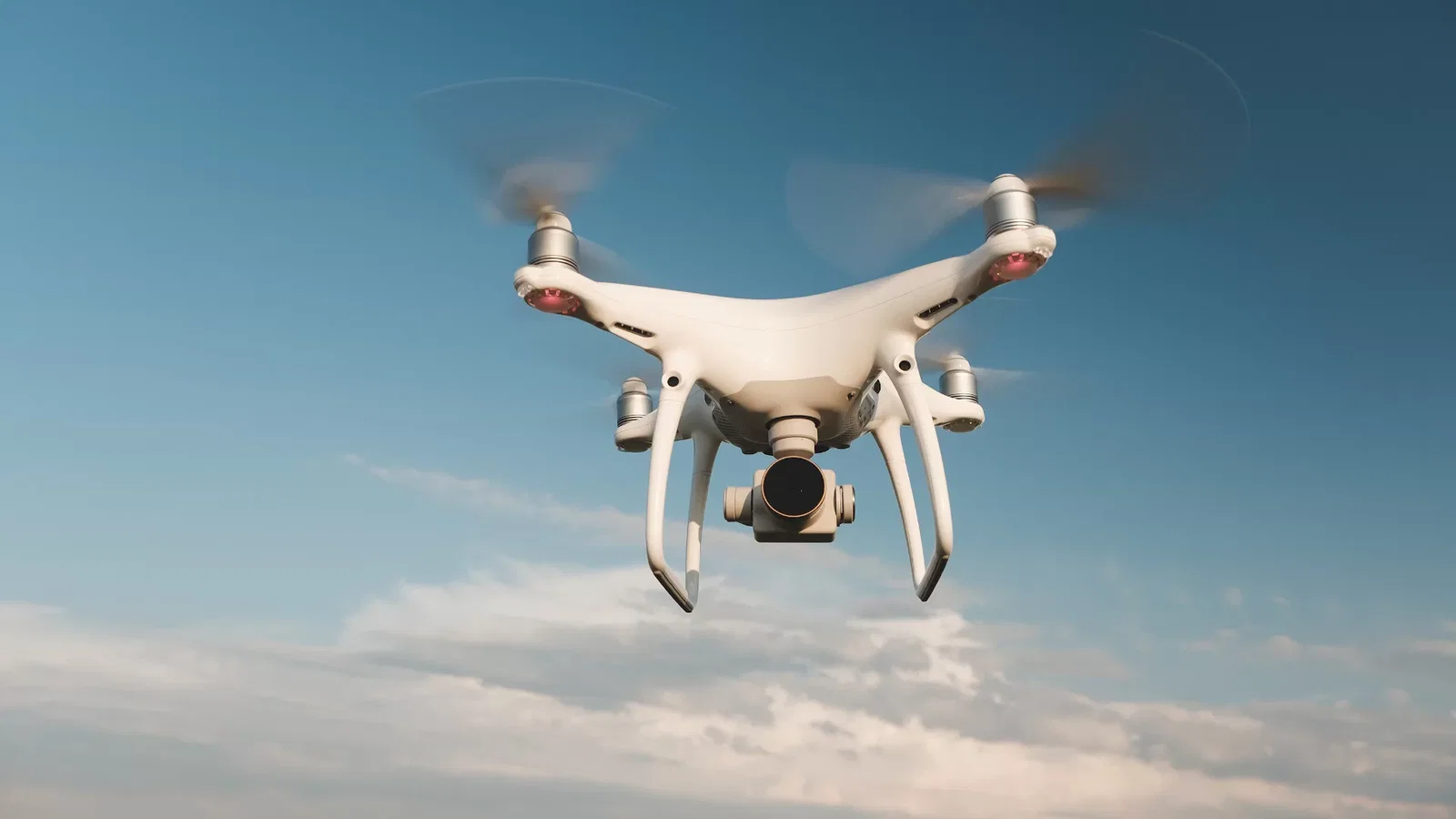
The $1.5 billion investment highlights a major shift in global security priorities. Airspace below traditional radar coverage, often called low-altitude airspace, is becoming increasingly important.
Previously, security systems focused mainly on ground threats or large aircraft. Today, small drones require a new layer of defense.
This investment shows that companies and governments are preparing for a future where:
- Drone traffic becomes more common
- Airspace monitoring becomes as important as ground surveillance
- Artificial intelligence plays a central role in threat detection
- Automated response systems reduce human reaction time
The Future of Airspace Security
Experts believe anti-drone systems will continue to evolve rapidly. Future developments may include:
- Fully autonomous detection and response systems
- AI-powered predictive threat analysis
- Enhanced drone identification databases
- Non-disruptive neutralization technologies
- Greater international regulation of drone usage
As drones become more advanced, counter-drone technologies must evolve at the same pace.
The anti-drone system acquired by Motorola Solutions for $1.5 billion represents a major milestone in modern security technology.
By combining radar, radio frequency analysis, optical imaging, and intelligent response systems, it creates a comprehensive shield against unauthorized drone activity.
As drones continue to expand their role in society, from commercial delivery to industrial inspection, the need for secure and controlled airspace will only increase. This technology is not just about stopping threats—it is about redefining how we protect the skies in a rapidly changing digital world.
