



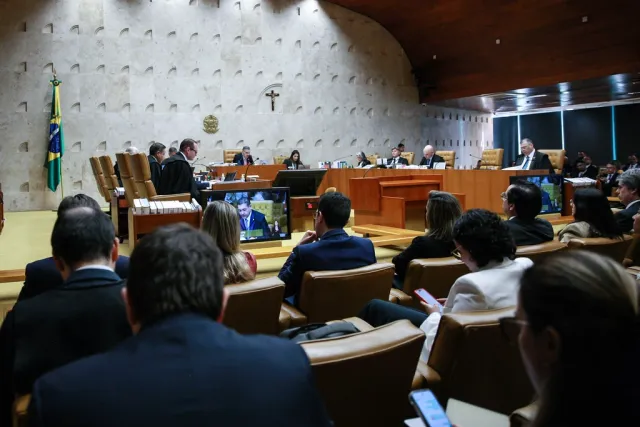
The debate between Brazil’s Supreme Court (STF) and major global technology companies has entered a decisive moment. What is being discussed is not just a legal issue, but the future of how social media works, what people can post online, and who is responsible when things go wrong on the internet.
At the center of this discussion are powerful companies known as big techs, including Google LLC, Meta Platforms, and X (Twitter).
The outcome of this debate could change not only Brazil’s digital environment, but also influence how other countries regulate the internet.
What is actually being decided?
The main question being discussed is simple but extremely powerful:
Should social media platforms be legally responsible for what users post?
Today, in most cases, platforms are not automatically responsible for user-generated content. They usually only remove posts when there is a complaint, a court order, or when their internal rules are violated.
However, the STF is now analyzing whether this model is still enough in a world where misinformation, hate speech, and illegal content spread very quickly.
The court is considering whether platforms should take stronger action even before being officially ordered by a judge.
Why this case is so important
The internet has become one of the most important spaces for communication, business, education, and politics. Millions of Brazilians use social media every day to share opinions and access information.
But this same space is also used to spread:
- fake news
- scams and fraud
- hate speech
- violent or illegal content
- manipulated political information
Because of this, the STF is trying to answer a difficult question:
How can we protect users without destroying freedom of expression?
This is where the debate becomes complex.
The role of the Supreme Court
The Supremo Tribunal Federal is responsible for interpreting the Constitution. That includes protecting fundamental rights such as freedom of speech, privacy, and security.
In this case, the court is trying to adapt old legal principles to a modern digital world.
When the current laws were written, social media did not exist. So judges now have to decide how those laws should apply to platforms that host billions of posts every day.
The STF is also concerned with how fast harmful content spreads online and whether current systems are effective enough to stop it.
What big tech companies are arguing
Big tech companies say they should not be treated as publishers of content. Instead, they describe themselves as platforms that host user-generated content.
Companies like Meta Platforms and Google LLC argue that:
- they cannot review every post before it goes live
- automatic responsibility could lead to censorship
- freedom of expression could be restricted
- small or harmless content might be wrongly removed
They also say that they already invest heavily in moderation systems, artificial intelligence tools, and human reviewers to detect harmful content.
From their perspective, making platforms fully responsible could create more problems than solutions.

Critics of big tech platforms
On the other side, critics argue that the current system is not strong enough.
They believe that platforms should act faster and more proactively, especially when it comes to dangerous content that can cause real-world harm.
Some argue that companies benefit financially from engagement, including controversial or emotional content that spreads quickly.
Because of this, critics say platforms should not only react after problems appear, but actively prevent them.
This is one of the key tensions in the debate:
profit, responsibility, and safety.
Freedom of expression vs. online safety
One of the most sensitive issues in this case is freedom of expression.
Supporters of a more flexible system warn that too much regulation could lead to over-moderation. That means platforms might remove content just to avoid legal risk, even if the content is harmless or legitimate.
On the other hand, supporters of stricter rules argue that freedom of expression is not absolute when it is used to spread harmful or illegal content.
The challenge is finding a balance:
- protecting open discussion
- while preventing abuse and harm
This is not an easy line to draw, especially in a digital world where information spreads instantly.
How this affects everyday users
Even though this case is happening in court, its consequences could directly affect millions of people who use social media daily.
Possible changes include:
1. Faster content removal
Platforms may be required to remove illegal content more quickly.
2. Stronger moderation systems
Companies might increase automated detection of harmful posts.
3. More rules for posting
Users could face stricter guidelines about what can or cannot be shared.
4. Changes in visibility
Algorithms may reduce the reach of certain types of content considered risky.
In simple terms, social media could become more controlled, but potentially safer.
Why this decision matters globally
Although this case is in Brazil, its impact could be international.
Brazil is one of the largest digital markets in the world, with millions of active users across platforms like Facebook, Instagram, YouTube, and X.
Because of this, any major legal change could influence how other countries approach similar issues.
If the STF establishes stronger rules for platforms, other governments may adopt similar models.
This is why tech companies around the world are closely watching this case.
The pressure on big tech
Companies such as Google LLC, Meta Platforms, and X (Twitter) are now under increasing pressure not only from governments but also from society.
Users expect safer platforms, while governments expect more accountability.
At the same time, these companies must maintain open communication systems that billions of people rely on daily.
This creates a very delicate balance between business, law, and public trust.
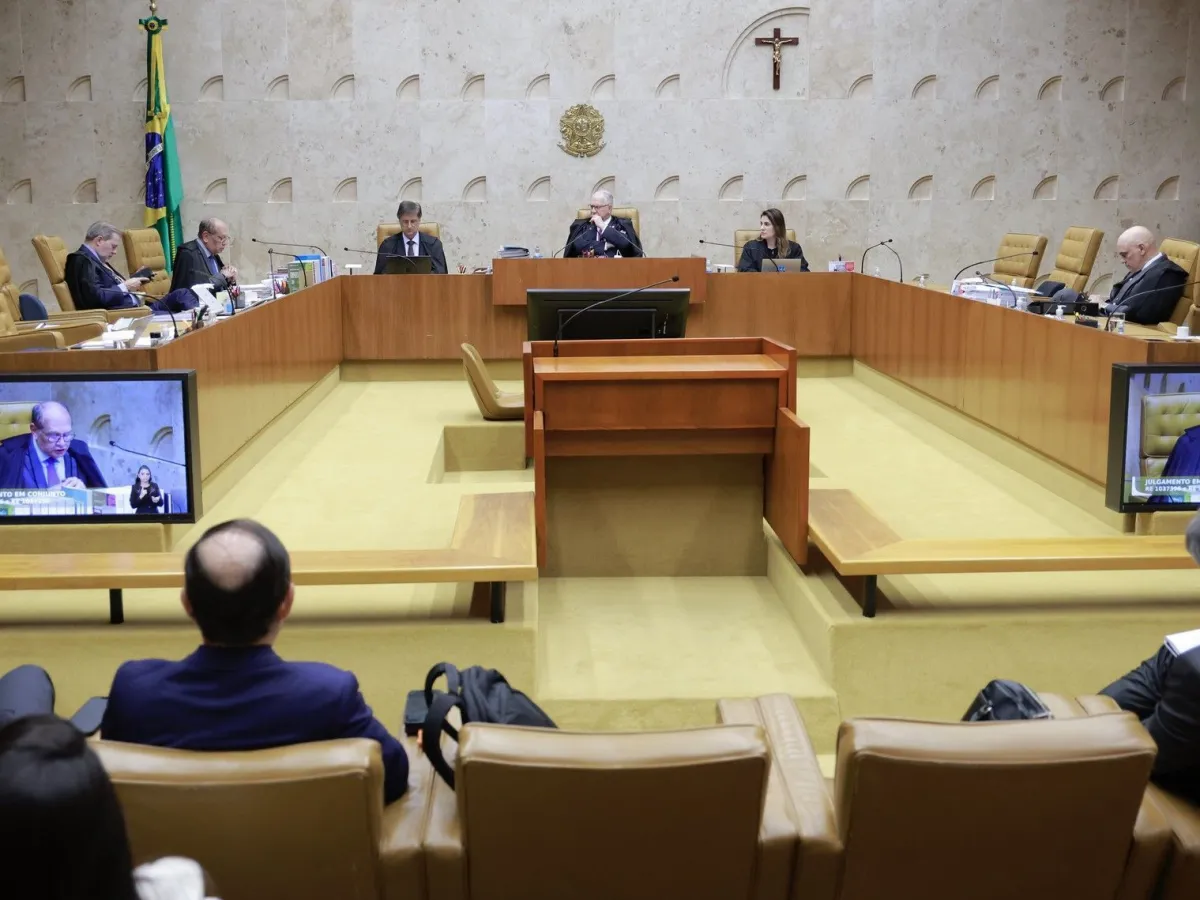
What could happen next
Several possible outcomes are being discussed:
- Platforms could become legally responsible for illegal content after notification
- Or they could be required to act even before court orders in some cases
- New digital laws could be created to clarify responsibilities
- Or the current system could remain with minor adjustments
Whatever the outcome, the decision will likely set an important precedent for future internet regulation.
Final thoughts
The debate between the STF and big tech companies is not just about laws or technology. It is about how society wants the internet to function in the future.
Should the internet be a space with minimal control, prioritizing free speech? Or should it be a more regulated environment, prioritizing safety and responsibility?
There is no simple answer.
What is clear is that decisions made now will shape the digital world for years to come.
As the case unfolds, one thing becomes obvious:
the future of social media is being written in real time, and its impact will be felt far beyond Brazil.
