


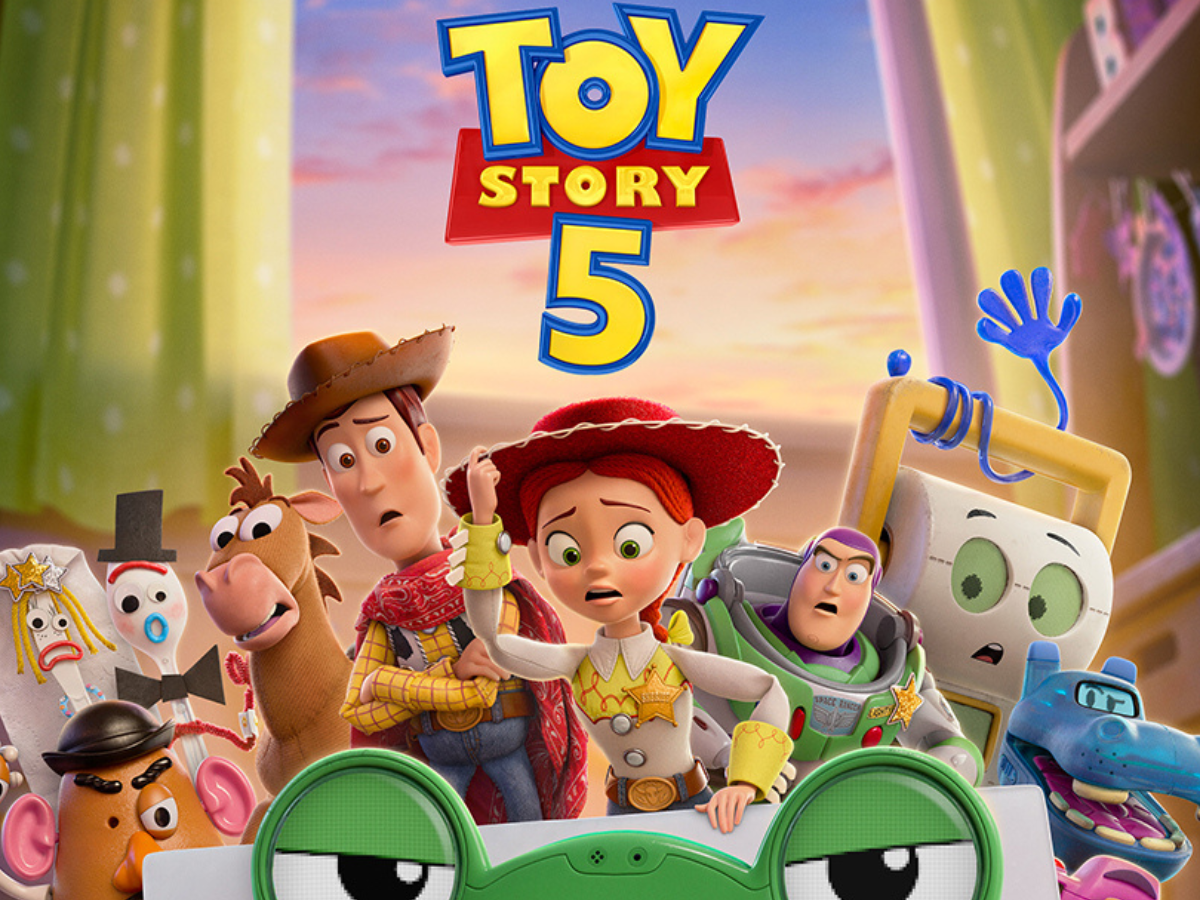
For nearly three decades, Toy Story has been more than just an animated movie franchise. It became a cultural milestone that shaped childhoods, influenced storytelling in animation, and proved that films made for kids could deeply move adults too. Now, after the release of the first trailer for Toy Story 5, fans are starting to believe something unexpected: this sequel might not simply continue the story — it could completely reinvigorate Pixar’s most iconic franchise.
Instead of relying purely on nostalgia, the new film appears ready to confront modern realities, especially how technology has changed the way children play, imagine, and connect with toys.
Based on early impressions and details revealed alongside the trailer, Toy Story 5 may represent one of Pixar’s most important creative moments in years.
A Sequel Many Thought Would Never Happen
When Toy Story 4 premiered, it felt like a perfect ending. Woody found a new purpose, Buzz and the gang remained with Bonnie, and audiences believed the emotional journey that began in 1995 had reached its natural conclusion.
So when Pixar announced a fifth installment, reactions were mixed:
- Did the story really need another chapter?
- Was Pixar leaning too heavily on nostalgia?
- Could the franchise still say something new?
The first trailer suggests the answer is yes — because the world around the toys has changed dramatically.
The New Villain Isn’t a Toy — It’s Technology
One of the biggest surprises revealed in the trailer is the central conflict. Instead of facing another jealous toy or dangerous adventure, the characters confront something far more realistic: digital entertainment.
Bonnie, now older, becomes fascinated with a smart device called Lilypad, an interactive gadget that captures her attention more than traditional toys ever could.
This idea instantly connects with real-world experiences:
- Kids spend more time on screens.
- Tablets and smartphones dominate entertainment.
- Physical toys struggle to compete with digital worlds.
For the first time in the franchise, the toys aren’t afraid of being thrown away — they’re afraid of being ignored.
That emotional shift gives the story a fresh and modern foundation.
Why This Change Matters for the Franchise
Pixar’s greatest strength has always been using simple stories to explore complex emotions. Toy Story 5 appears to continue that tradition by asking questions relevant to today’s generation:
- What does play mean in a digital age?
- Can imagination survive constant screen time?
- Do traditional experiences still matter?
By updating its themes instead of repeating old ones, the film avoids feeling like a cash-grab sequel. Instead, it evolves alongside its audience — many of whom grew up with the original movies and are now adults watching younger generations grow differently.
Woody and Buzz Return — But Not as Before
The trailer confirms the return of beloved characters:
- Woody
- Buzz Lightyear
- Jessie
- and other familiar toys
However, their roles have evolved.
After the events of Toy Story 4, Woody is no longer permanently part of Bonnie’s room. Jessie appears to take on a leadership role among the toys, while Buzz acts more as a steady emotional anchor.
This narrative shift allows the franchise to move forward without abandoning its legacy characters — a delicate balance Pixar seems determined to achieve.
A Story About Relevance in a Fast-Changing World
One of the most powerful ideas hinted at in the trailer is the fear of becoming obsolete.
In earlier films, toys worried about being replaced or discarded. Now, they face a quieter threat: irrelevance.
This theme resonates strongly with modern audiences living in an era where trends, technology, and even careers evolve rapidly. The emotional core becomes universal:
Everyone fears being left behind.
By translating that feeling into the world of toys, Pixar once again turns a childlike premise into a deeply human story.
The Return of a Pixar Storytelling Veteran
Another reason for optimism is the involvement of Andrew Stanton, one of Pixar’s most respected creative figures.
Stanton previously helped shape some of the studio’s greatest successes, including Finding Nemo and WALL-E. His return signals that Toy Story 5 aims to prioritize storytelling and emotional depth rather than simply expanding a brand.
He has also emphasized that new sequels do not erase previous endings — fans can still view earlier films as complete stories if they choose. This philosophy reassures longtime viewers who worry about legacy franchises overstaying their welcome.
Classic Pixar Emotion Is Still There
Despite its modern themes, the trailer retains the emotional DNA that made the series beloved:
- warm humor
- heartfelt friendships
- quiet emotional moments
- adventurous energy
The tone suggests that the movie won’t position technology as evil. Instead, it explores coexistence — how imagination and innovation can exist together.
That balanced approach makes the story feel thoughtful rather than preachy.
A Metaphor for Growing Up in the Digital Era
Since the first film, Toy Story has always been about change and growth:
- Andy growing older
- toys learning acceptance
- characters redefining purpose
Now, the growth belongs to society itself.
Children today grow up surrounded by digital ecosystems, online worlds, and instant entertainment. Toy Story 5 appears ready to explore how emotional connection survives in such an environment.
This broader metaphor may explain why early reactions to the trailer feel unusually hopeful.
Nostalgia Without Dependence
Modern sequels often rely heavily on nostalgia, repeating familiar beats to trigger emotional memories. The trailer for Toy Story 5 takes a different approach.
Yes, it celebrates the past — but it also introduces:
- new conflicts
- evolving character roles
- contemporary themes
- fresh emotional stakes
Nostalgia becomes a foundation rather than the main attraction.
Pixar’s Need for a Major Comeback
In recent years, Pixar has faced challenges:
- mixed critical reception for some releases
- debates about streaming vs. theatrical premieres
- concerns about creative direction
Because of this, Toy Story 5 carries enormous expectations. A strong reception could restore confidence in Pixar’s ability to create culturally defining stories.
The film isn’t just another sequel — it may be a turning point for the studio itself.
Visual Evolution Reflects the Story
Even in brief trailer footage, technological improvements are clear:
- more realistic lighting
- richer textures
- subtle facial expressions
- highly detailed environments
Interestingly, the visual evolution mirrors the film’s theme: technology advancing while emotional storytelling remains at the center.
Not a War Against Technology — But a Conversation
A key strength hinted at in the trailer is nuance. The movie doesn’t appear to demonize digital devices. Instead, it explores balance.
Technology brings convenience and excitement, but imagination and emotional bonding still hold unique value.
This message feels particularly relevant for younger audiences navigating both physical and digital worlds simultaneously.
Release Date and Expectations
Toy Story 5 is scheduled to arrive in theaters in June 2026, marking seven years since the previous installment. Anticipation is already high, with fans debating whether the film will redefine the franchise once again.
If early impressions are accurate, Pixar may have found a story that feels both nostalgic and necessary.
Why Toy Story 5 Could Reignite the Franchise
The trailer suggests three major renewals:
1. Thematic Renewal
A story grounded in modern childhood and digital culture.
2. Emotional Renewal
A deeper exploration of relevance, identity, and purpose.
3. Creative Renewal
A blend of classic storytelling with contemporary ideas.
The Real Reason Fans Are Excited
What makes the trailer stand out isn’t just the return of familiar characters — it’s the sense of intention.
The film appears to have something meaningful to say, continuing Pixar’s tradition of storytelling that resonates across generations.
Whenever Pixar combines emotional honesty with innovation, the results tend to define eras of animation.
Conclusion: A Franchise Ready to Be Reimagined
After nearly 30 years, Toy Story continues asking one timeless question:
What does it mean to matter to someone?
The first trailer for Toy Story 5 suggests Pixar understands that the answer has changed with time — and the studio is ready to explore that evolution.
If the final movie delivers on the promise shown in the trailer, it may not only extend the franchise but redefine it for a new generation growing up in a digital world.
And once again, the toys might remind audiences — young and old — why their stories still matter.
