



In February 2026, one of the most talked‑about moments in U.S. media wasn’t a viral meme or a celebrity feud — it was a political controversy involving one of late night TV’s most famous hosts.
Stephen Colbert, the host of The Late Show, accused his own network, CBS, of blocking him from airing an interview with Texas state representative James Talarico, who is running for the U.S. Senate. The situation sparked a fierce debate about government influence, broadcaster decisions, and how political content should be handled on television. This article breaks down what happened in a clear and simple way for young readers.
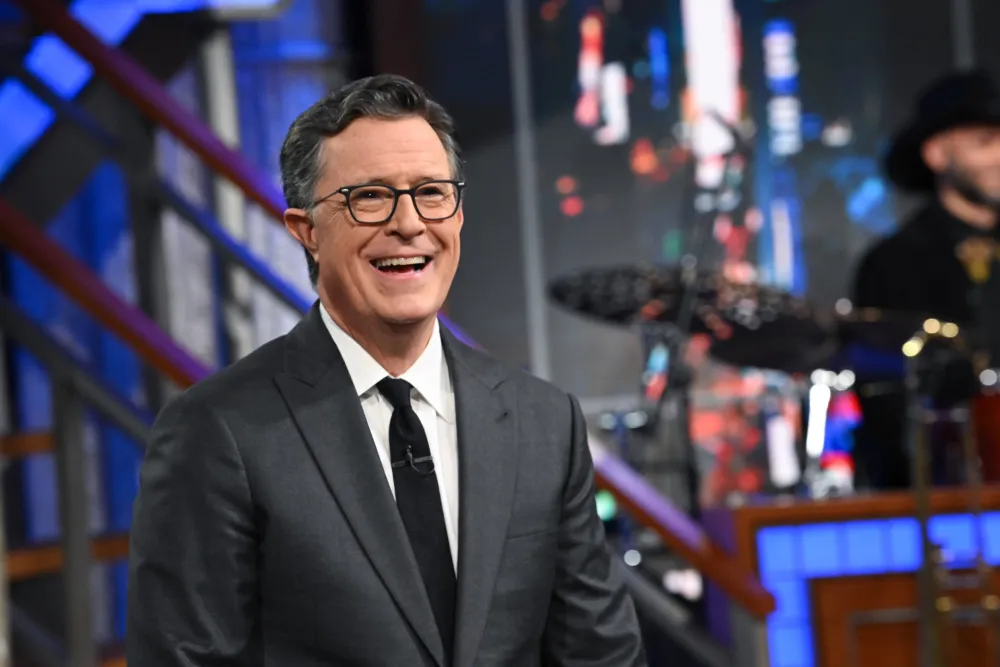
Who Are the Main People Involved?
Let’s start with the key players:
- Stephen Colbert – Late night talk show host and comedian on The Late Show. Known for mixing humor with pointed political commentary.
- James Talarico – A Democratic state representative from Texas running for U.S. Senate.
- Federal Communications Commission (FCC) – A U.S. government agency that regulates TV and radio broadcasts. Brendan Carr is the current FCC Chairman.
- CBS – The television network that airs The Late Show.
Each played a role in what quickly became a national conversation about media, politics, and free speech.
What Happened? A Simple Breakdown
Here’s what Colbert said happened:
The Scheduled Interview
Colbert had planned an interview with Talarico, which was recorded and meant to air on The Late Show during a critical moment — just days before early voting began in the Texas primary.
Network Lawyers Stepped In
According to Colbert, CBS lawyers told his team “in no uncertain terms” that the interview could not be broadcast on TV. They didn’t just say not to show it — they even told him not to talk about the decision on the show.
Why? The FCC’s “Equal‑Time Rule”
The lawyer’s reason, as conveyed to Colbert, was fear of triggering an FCC rule known as the equal‑time rule. This rule, from an old 1934 law, says that if a broadcaster gives one candidate time on TV, they must offer equal time to rival candidates.
Talk shows and news interviews used to be largely exempt from this rule — meaning The Late Show could host politicians without having to provide equal slots to all others. But the FCC’s leadership, particularly Chairman Brendan Carr, had signaled that this exemption might no longer be trusted and could be more strictly applied even to entertainment shows.
The TV Ban (According to Colbert)
Colbert says that CBS, worried about the FCC’s interpretation and possible enforcement of the rule, refused to air the interview on broadcast television.
What Colbert Did Instead
Instead of giving up, Colbert aired the interview on The Late Show’s YouTube channel. YouTube and other digital platforms are not regulated by the FCC in the same way, so the legal rule wouldn’t apply there.
After being posted online, the interview racked up millions of views — far more than the typical broadcast audience.

Different Views: CBS and the FCC Respond
It’s important to know that not everyone agrees with Colbert’s explanation:
CBS’s Statement
CBS said it did not “ban” the interview as Colbert described. Instead, the network said it provided legal guidance about how airing the interview might trigger the equal‑time rule, and offered options for how that requirement could be met. The choice to put it online was described as strategic rather than forced.
FCC’s Position
The FCC, led by Chairman Brendan Carr (a Trump appointee), denied that there was any censorship involved. Carr said networks have clear ways to comply with the law, such as offering equal time to other candidates if needed.
Carr’s actions have drawn criticism from people on both sides of the political spectrum. Some say the FCC is overreaching, others say the rules should be applied fairly.
Why Does the Equal‑Time Rule Matter?
To understand the controversy, we need to make sense of the equal‑time rule.
- What it is: A law that requires broadcast stations to offer equal air time to all political candidates for the same office if one candidate is given time.
- Why it’s controversial: It was created decades ago, when broadcast TV was one of the only media sources. It hasn’t been used much in modern times, especially for talk shows.
- Why some worry: If talk shows are suddenly treated like political ads, they could avoid political topics to reduce legal risk. That’s why critics call this a chilling effect — meaning media might self‑censor to avoid trouble.
What Did People Say About It?
Colbert didn’t just quietly post the interview online — he turned the whole situation into a monologue on his show. He criticized CBS and the FCC, saying he was being told what he could and couldn’t say. He accused CBS of caving to bureaucratic and political pressure.
On the other hand, some critics say Colbert exaggerated the situation to make a political point. They argue the network’s explanation makes sense legally and that this isn’t government censorship but careful legal compliance.
There are also broader discussions: some see this as part of a trend where regulators step into areas they traditionally haven’t, stirring debate about free speech, media independence, and political influence.

What It Means for the Future
This incident could have ongoing effects:
- For broadcasters: They may be more cautious about political content on TV if the FCC’s enforcement approach continues.
- For political campaigns: Social media and online platforms may become even more important for reaching young voters, especially when TV is legally complicated.
- For audiences: People may need to pay attention to where interviews are being published (TV vs. online), and how politics and media interact.
The clash between Colbert, CBS, and the FCC shows how even comedy and politics can collide with long‑standing government rules. Whether you think the network was protecting itself or suppressing speech, this episode highlights real tensions in how political discussion happens in public media. The debate continues — and for many, it’s a sign that rules written long ago are clashing with how people communicate today.
