


In 2026, gamers around the world are facing a frustrating challenge: finding a Steam Deck OLED in stock is suddenly much harder than usual. This popular handheld gaming PC — a device that lets you play your Steam library on the go — isn’t disappearing because it’s outdated or unpopular. Instead, the problem goes deeper: a global memory shortage that’s affecting the entire tech industry.
Here’s a clear, young‑friendly breakdown of what’s happening, why it matters, and what it could mean for gamers who’ve been waiting to buy one.
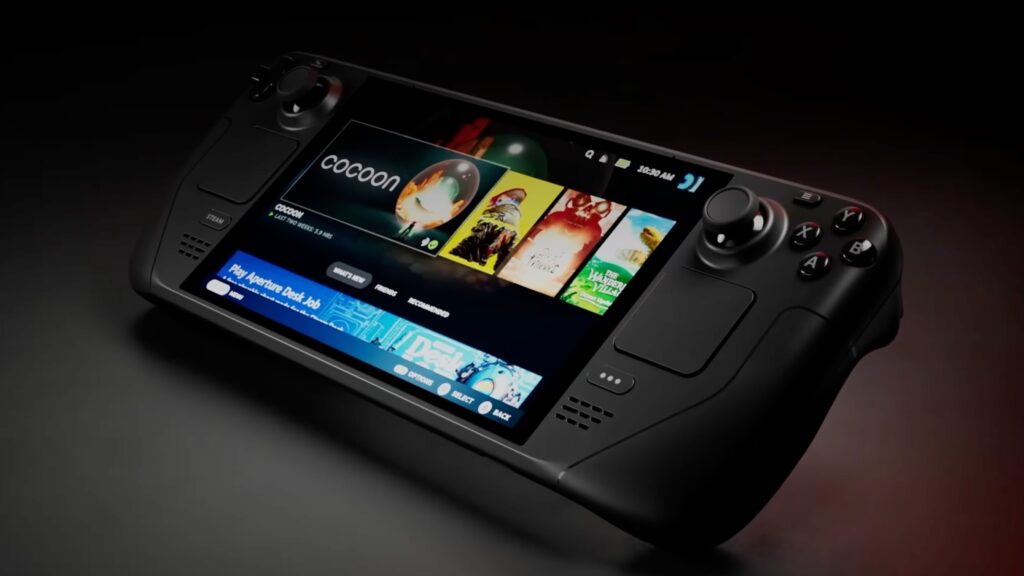
What’s the Issue? The Steam Deck OLED Keeps Selling Out
Valve updated the official Steam Deck product page to warn customers that the Steam Deck OLED may be “out of stock intermittently in some regions” because of a memory and storage supply crunch. That means the system might disappear from online stores, come back briefly, and then vanish again.
Even though the Steam Deck OLED is still technically being made, shortages of key parts — especially RAM and storage chips — are slowing down production. In some countries, retailers have already sold out completely, and stock hasn’t returned yet.
Why Is This Happening? The Memory Crisis Explained
The shortage isn’t just about one product. The big reason is a global shortage of RAM and solid‑state storage chips (SSDs) — components that computers, consoles, and many gadgets need to run. Here’s what’s going on:
1. AI and Data Centers Are Using Huge Amounts of Memory
Companies building artificial intelligence systems (like for cloud computing and big research projects) are buying massive volumes of RAM and storage. Because AI systems need lots of memory to work well, chipmakers are prioritizing those orders. This leaves fewer chips available for consumer devices like the Steam Deck.
2. Prices for Memory and Storage Are Rising
With demand up and supply tight, the costs for memory chips and SSDs have jumped. This affects how many devices manufacturers can make and how much they cost to build.
3. This Is a Global Problem
This isn’t unique to Valve. Other gaming hardware makers — and even major console companies — have been affected by these shortages, with delays or price increases showing up across the industry.
What Valve Has Said Publicly
Instead of staying silent about it, Valve added a clear message on the Steam Deck store page: the OLED model may not always be available because of memory and storage issues. That’s a pretty unusual and honest move — most companies don’t publicly tie stock problems to chip shortages.
Valve also stopped making the older Steam Deck LCD model, so once the last LCD units are sold, that cheaper version won’t come back.
How This Feels for Fans and Buyers
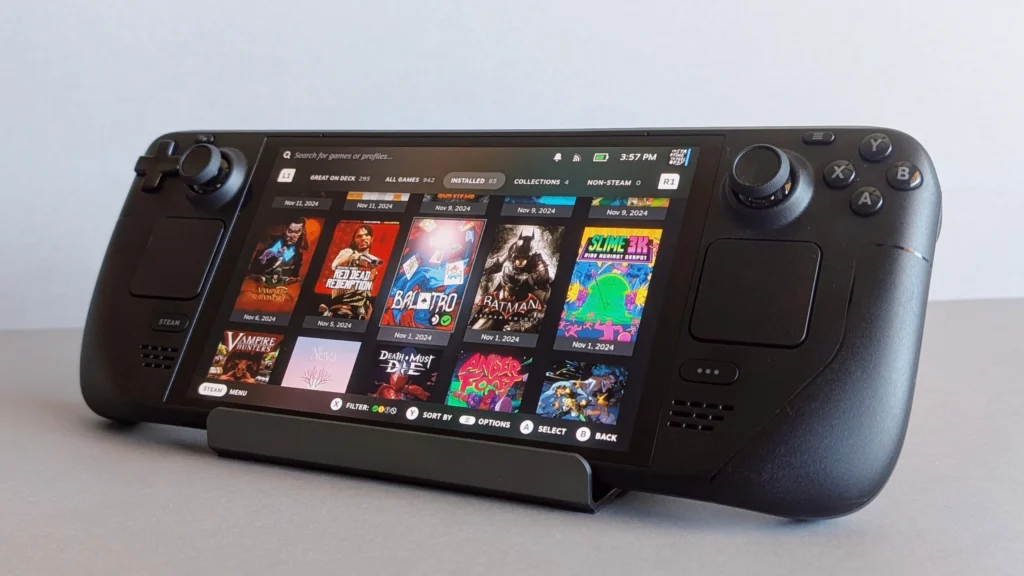
If you’ve been trying to order a Steam Deck OLED, you’ve probably noticed it’s often listed as “out of stock.” On community forums like reddit, many gamers are sharing how hard it is to find one anywhere, with people resorting to tracking inventory or looking for secondhand units.
Some players are frustrated because they waited months to buy one, and now it’s almost impossible to get directly from Valve or major shops. That’s especially rough for folks saving up to buy a handheld without paying big mark‑ups from resellers.
What’s Happening Around the World
The stock situation isn’t exactly the same everywhere, but in some places it’s severe:
- In the United States, many retailers have had no Steam Deck OLED listings at all for weeks.
- In Europe, availability has also dropped sharply, with little stock showing up at major retailers.
- In places where stock still exists, gamers are snapping units up quickly.
In France, for example, all models — both Steam Deck LCD and OLED — have reportedly completely sold out in most stores.
What This Means for Valve’s Future Hardware
This memory crisis could affect more than just the Steam Deck:
Steam Machine and Other Devices
Valve had planned to release new hardware like the Steam Machine (a console‑style PC) and other gadgets in early 2026. But those releases have been delayed or put on hold because the same shortage that’s hurting Steam Deck production is making it hard to price and ship new machines.
Pricing and Availability
Because memory prices have gone up, it’s possible future hardware could cost more than originally planned — not just because of inflation, but because the parts themselves are more expensive.
Alternatives While You Wait
If you really want a portable gaming machine and can’t find a Steam Deck in stock, there are other options that some gamers recommend:
- Asus ROG Ally – A handheld PC with Windows that runs many games but has a different ecosystem than SteamOS.
- Windows‑based handhelds like Legion Go S – Other handhelds that use Windows and support a range of PC games.
These alternatives won’t be exactly the same experience as a Steam Deck — especially since SteamOS and the Deck’s controls are unique — but they can be good substitutes if you’ve been waiting too long.
Will the Shortage Ever End?
There’s no simple answer yet. Memory and storage shortages are tied to larger trends in the tech supply chain, especially demand from AI and data centers. That means:
- Stock might come and go — Valve said units may be available sometimes and unavailable at other times.
- Prices might fluctuate — as memory costs rise or fall, that could affect how many units Valve can afford to make at current prices.
- Delays for other new hardware might last until the memory market stabilizes.
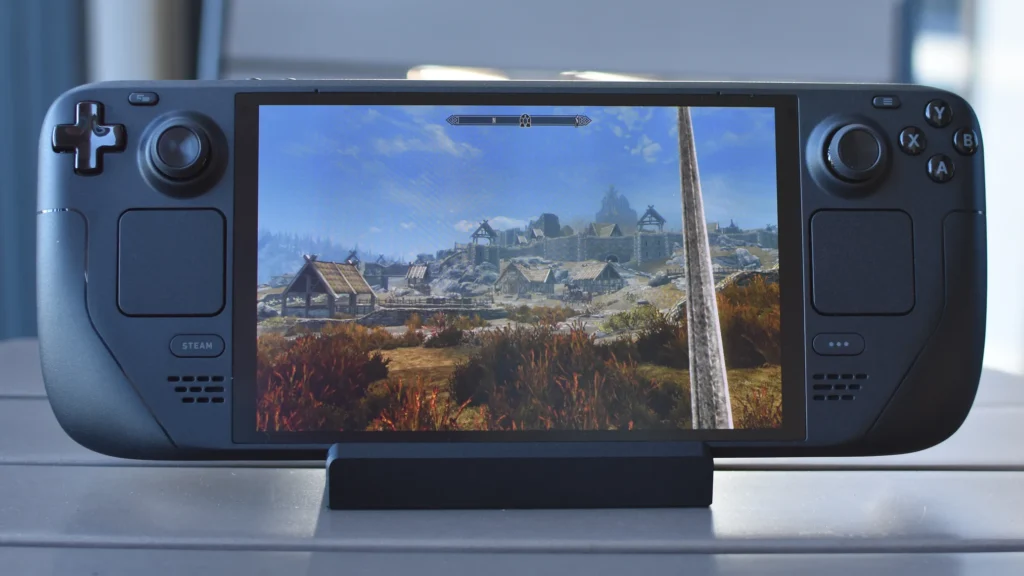
Right now, the best advice for gamers is to watch official stores and major retailers, and be ready to order when stock appears. Or, consider alternative handhelds if you want to play games on the go without waiting.
The fact that a beloved gaming device like the Steam Deck OLED is hard to buy in 2026 isn’t because it’s unpopular or outdated — it’s because the entire tech world is facing a memory and storage shortage. This problem affects laptops, desktops, handhelds, and even future gadgets Valve was planning to release.
For gamers, that means patience — or flexibility — might be the price of entry into handheld PC gaming right now. As the industry adjusts, the situation may improve, but in the short term, stock could still be unpredictable and limited.
If you’re thinking about a Steam Deck, keep an eye on official listings and be ready to act fast when inventory shows up.
