


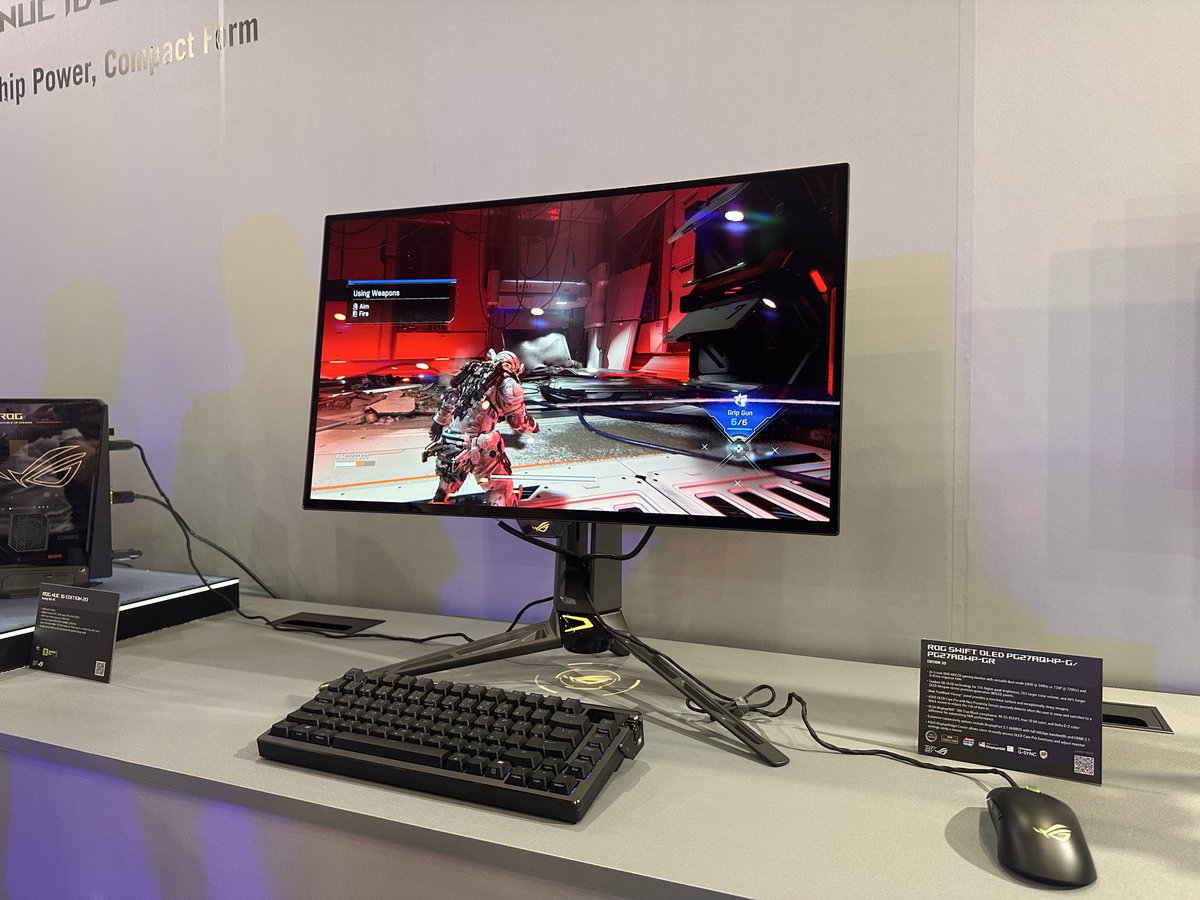
The gaming monitor market has just received a major upgrade. ASUS has officially introduced its new 540Hz OLED gaming monitor, a display designed specifically for esports professionals and competitive gamers who demand the highest levels of speed and precision.
The announcement has generated excitement across the gaming community because it combines two of the most sought-after technologies in modern displays: an ultra-high refresh rate and the stunning image quality of OLED panels.
As esports continue to grow worldwide, players are constantly searching for every possible advantage. Whether competing in professional tournaments or climbing ranked ladders online, faster hardware can make a real difference. ASUS believes its latest monitor could be one of the biggest upgrades competitive gamers have seen in years.
A Monitor Built for Speed
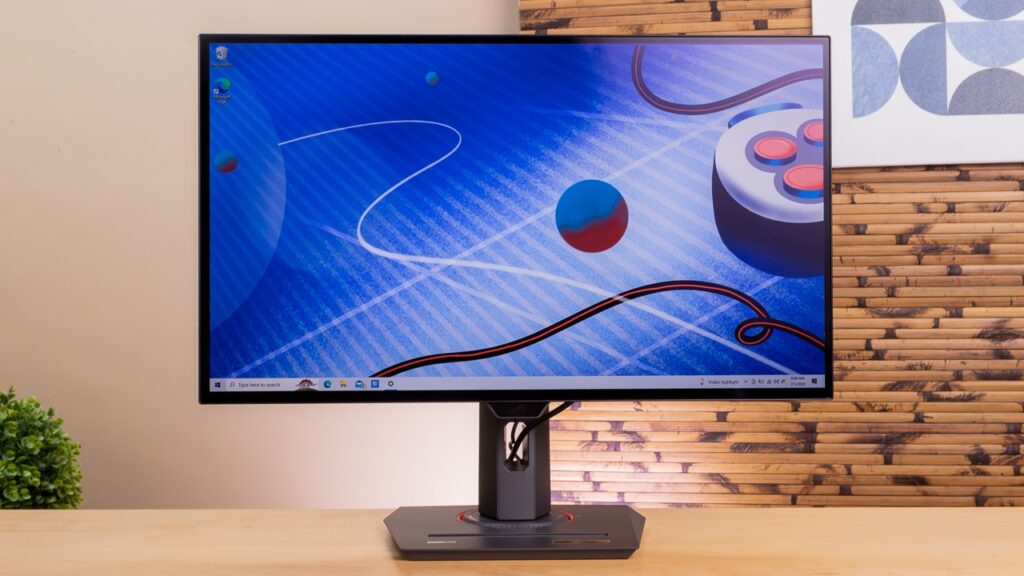
The headline feature of the new ASUS display is its incredible 540Hz refresh rate.
For those unfamiliar with the technology, refresh rate refers to how many times a monitor updates the image on screen every second. A standard monitor typically runs at 60Hz, while gaming monitors often offer 144Hz, 240Hz, or 360Hz.
At 540Hz, ASUS is pushing gaming displays into a new category.
The higher the refresh rate, the smoother motion appears on screen. This can help players track moving targets more accurately and react faster during intense gameplay.
In fast-paced esports titles, even tiny improvements in responsiveness can have a noticeable impact on performance.
Why 540Hz Matters
Some gamers may wonder whether there is a significant difference between 360Hz and 540Hz.
The answer depends on the player and the type of game being played. Professional esports athletes often train their eyes and reflexes to recognize even the smallest changes in motion clarity and latency.
A 540Hz monitor reduces the time between image updates, helping players receive visual information more quickly. While casual gamers may not immediately notice the difference, competitive players are likely to appreciate every millisecond gained.
Games that rely on quick reactions can benefit the most from this technology.
OLED Brings Incredible Visual Quality
Speed is only part of the story.
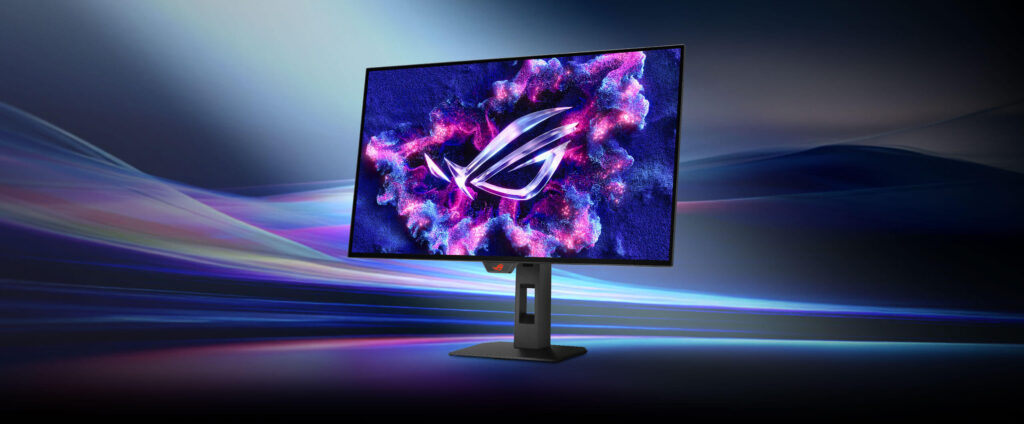
The new ASUS monitor also features an OLED panel, a technology that has become increasingly popular among gamers and tech enthusiasts.
Unlike traditional LCD displays, OLED screens allow each individual pixel to emit its own light. This creates several advantages, including:
- Perfect black levels
- Higher contrast ratios
- More vibrant colors
- Improved image depth
- Better overall visual quality
As a result, games look more immersive and realistic.
Dark environments appear deeper and more detailed, while bright scenes become more vivid and eye-catching.
For gamers who want both performance and image quality, OLED offers an excellent combination.
Ultra-Fast Response Time
Another major advantage of the monitor is its extremely low response time.
ASUS claims the display can achieve a response time as low as 0.02 milliseconds, making it one of the fastest gaming monitors ever introduced.
Response time measures how quickly pixels can change from one color to another. Lower response times reduce motion blur and ghosting effects, helping moving objects remain sharp and clear.
In competitive shooters, this can make it easier to track opponents during fast engagements.
The combination of 540Hz and a near-instant response time creates a gaming experience focused entirely on speed.
Designed Specifically for Esports
Unlike many premium gaming monitors that prioritize higher resolutions such as 1440p or 4K, ASUS chose a different approach.
The monitor features a 24.5-inch Full HD (1920 x 1080) display.
At first glance, some users may question why ASUS selected Full HD instead of a higher resolution.
The answer is simple: esports players generally prioritize frame rates over pixel count.
Running games at 1080p allows powerful gaming PCs to generate significantly more frames per second, making it easier to fully utilize the monitor’s 540Hz refresh rate.
This decision highlights ASUS’s focus on competitive gaming rather than general entertainment.
Perfect for Competitive Titles
The monitor is expected to perform exceptionally well in popular esports games, including:
- Counter-Strike 2
- Valorant
- Fortnite
- Apex Legends
- Overwatch 2
- Rainbow Six Siege
- PUBG
- Call of Duty
- League of Legends
These games demand fast reactions, accurate aiming, and quick decision-making.
With a 540Hz display, players can experience smoother movement and more immediate visual feedback, potentially giving them a competitive edge.
Professional-Level Design
ASUS has also paid close attention to the monitor’s physical design.
The display features a clean, modern appearance with slim bezels and an adjustable stand.
Users can customize the monitor’s height, tilt, and positioning to create a comfortable gaming setup.
This flexibility is particularly important for professional players who spend many hours practicing and competing.
Comfort can play a significant role in maintaining focus and performance during long gaming sessions.
Advanced Gaming Features
Beyond its refresh rate and OLED technology, the monitor includes several features designed to enhance gameplay.
Motion Clarity Enhancements
Special technologies help reduce blur during fast movements, keeping the image sharp even during intense action.
Adaptive Sync Support
The monitor supports adaptive synchronization technologies that help eliminate screen tearing and reduce stuttering.
Esports Optimization Modes
Gamers can select profiles tailored for different game genres and playing styles.
OLED Protection Features
Because OLED panels can be vulnerable to image retention over time, ASUS has implemented multiple protective systems designed to reduce the risk of burn-in.
These features help maintain image quality and extend the display’s lifespan.
The Evolution of Gaming Monitors
Gaming monitors have evolved dramatically over the past decade.
Not long ago, 120Hz displays were considered cutting-edge.
Then came 144Hz, followed by 240Hz and 360Hz monitors.
Now, ASUS is introducing 540Hz technology, pushing the boundaries of what gaming displays can achieve.
This rapid evolution reflects the growing importance of esports and competitive gaming around the world.
Manufacturers continue searching for ways to reduce latency, improve image quality, and create faster gaming experiences.
Who Should Buy a 540Hz Monitor?
While the technology is impressive, not every gamer needs a monitor this advanced.
To fully benefit from 540Hz, users need a powerful gaming PC capable of producing hundreds of frames per second consistently.
Casual gamers may find that 144Hz or 240Hz monitors already provide an excellent experience.
However, professional esports players, competitive enthusiasts, and users seeking the absolute best performance are likely to appreciate the advantages of a 540Hz display.
For these players, every frame matters.
A Glimpse Into the Future of Esports
The launch of ASUS’s new OLED monitor demonstrates how quickly gaming technology continues to advance.
As esports become more competitive and hardware becomes more sophisticated, displays like this could become increasingly common among professional players.
The combination of a 540Hz refresh rate, OLED image quality, ultra-fast response times, and esports-focused design makes this monitor one of the most exciting gaming products announced this year.
Whether it becomes the new standard for professional competition remains to be seen, but one thing is clear: ASUS is pushing gaming displays to new limits.
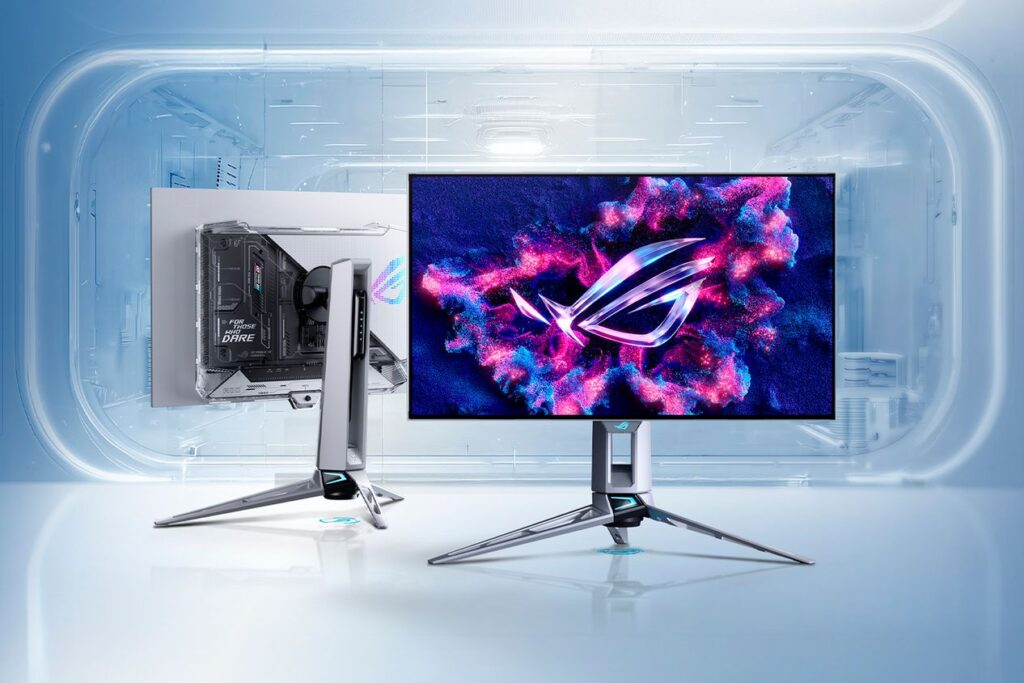
ASUS’s new 540Hz OLED monitor is more than just another gaming display—it represents the next step in competitive gaming technology.
By combining industry-leading speed with premium visual quality, ASUS has created a monitor designed for players who refuse to compromise.
For casual gamers, it may be more power than necessary. But for esports professionals and dedicated competitors, it could become one of the most desirable gaming monitors on the market.
As gaming hardware continues to evolve, products like this show that the future of esports is not only faster—it is also brighter, sharper, and more immersive than ever before.
