


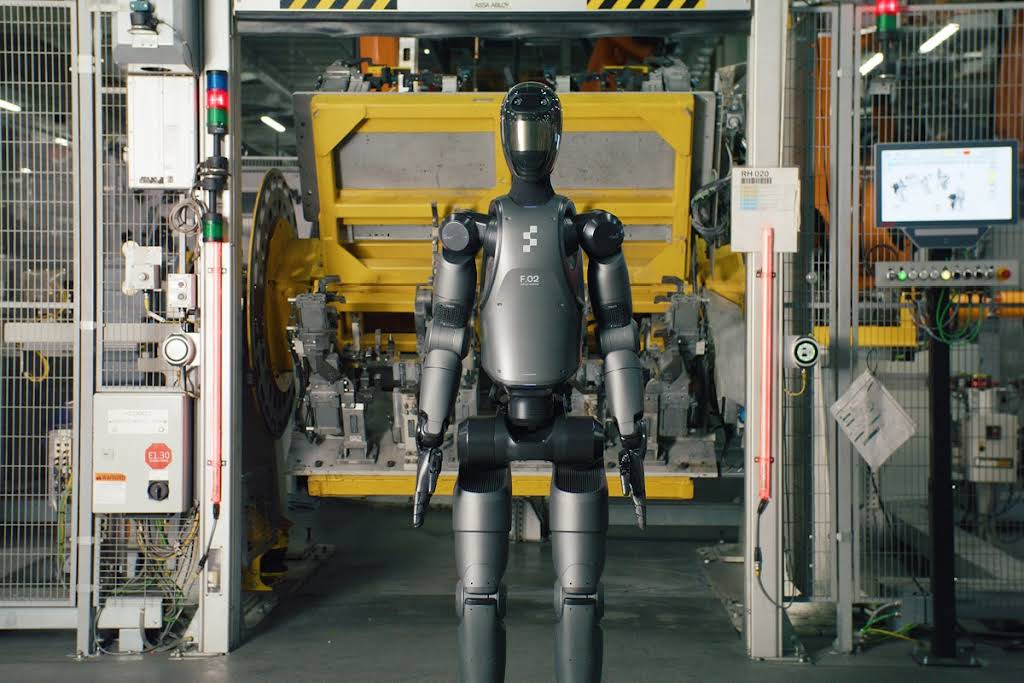
Artificial intelligence is pushing humanoid robots into new and surprising territory. While many companies are developing machines designed to help with household tasks, a U.S.-based startup has chosen a very different path: creating robots for military missions.
The company, Foundation Future Industries, has attracted attention after unveiling ambitious plans to develop autonomous humanoid robots designed for high-risk operations, including military applications.
Robots for Dangerous Missions
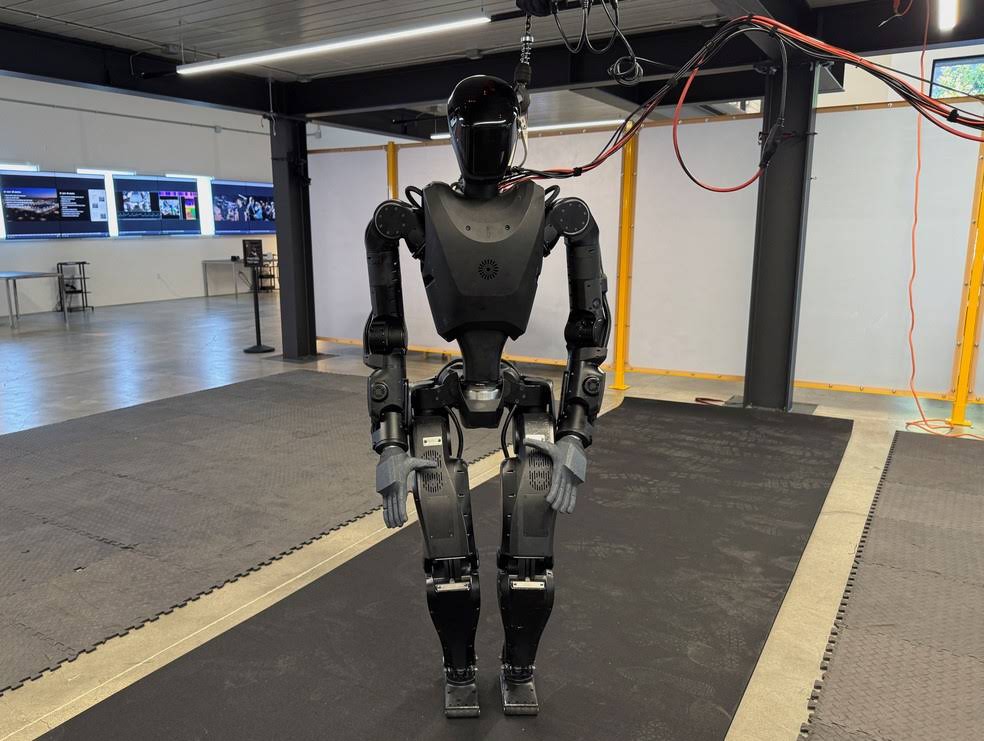
According to the startup, the main goal is to use technology to replace humans in dangerous tasks. This includes transporting equipment, handling logistics in conflict zones, and carrying out missions that could put soldiers at risk.
Early tests have already taken place in Ukraine, where the robots were reportedly used to support logistics and move supplies in hazardous areas.
The idea is to allow these machines to perform complex tasks without exposing military personnel to direct danger.
Connection to the Trump Family
The startup gained even more attention after Eric Trump, son of U.S. President Donald Trump, joined the company as a strategic advisor.
His involvement has increased public interest in the project and sparked discussions about the future of artificial intelligence in military and defense operations.
What Are These Robots Like?
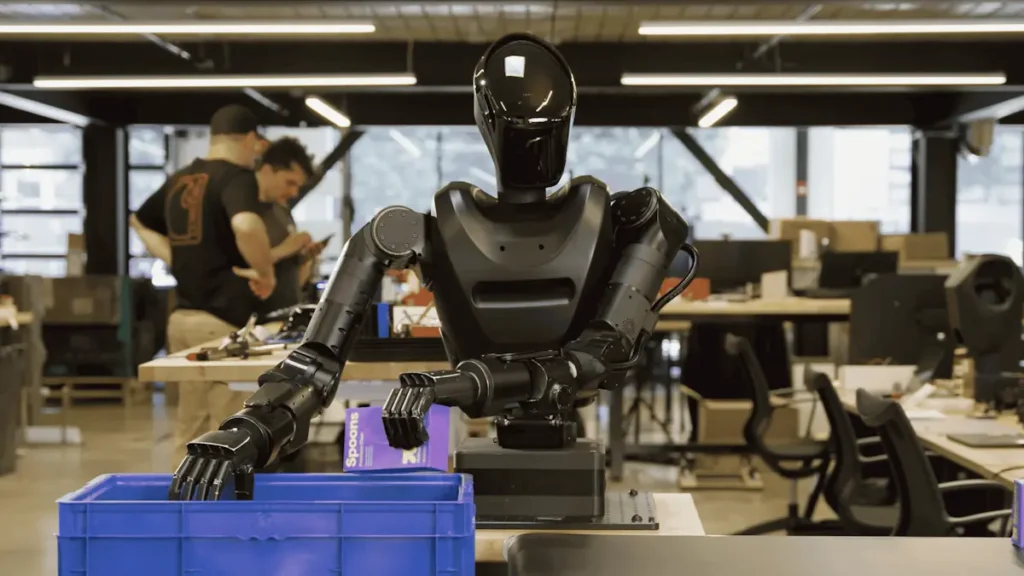
The company’s current humanoid robot is called Phantom MK-1. Despite its futuristic appearance, the machine still faces several limitations.
At the moment, it can carry relatively light loads, has limited battery life, and requires further development before operating effectively in extreme combat environments.
Even so, the company is already working on a next-generation model known as Phantom 2, which is expected to offer greater strength, improved carrying capacity, and more advanced AI capabilities.
A Global Technology Race
Foundation’s plans come at a time when countries around the world are competing to lead the fields of robotics and artificial intelligence.
The United States and China continue to invest billions of dollars in technologies that could reshape industries such as manufacturing, logistics, security, and defense.
Experts believe the coming years may mark the beginning of a new era in modern warfare, where intelligent machines play a much larger role on the battlefield.
The Debate Over the Future
Despite the excitement surrounding these developments, the use of autonomous robots in military environments remains controversial.
Questions about ethics, safety, accountability, and human oversight continue to be debated by governments, researchers, and international organizations.
Some experts argue that robots could save lives by taking over dangerous missions. Others warn about the risks of giving machines greater autonomy in combat situations.
One thing is clear: the combination of robotics and artificial intelligence is advancing rapidly, and it could significantly change not only industries but also the future of military operations worldwide.
