



The UEFA FIFA dispute has become one of the most discussed issues in international football.
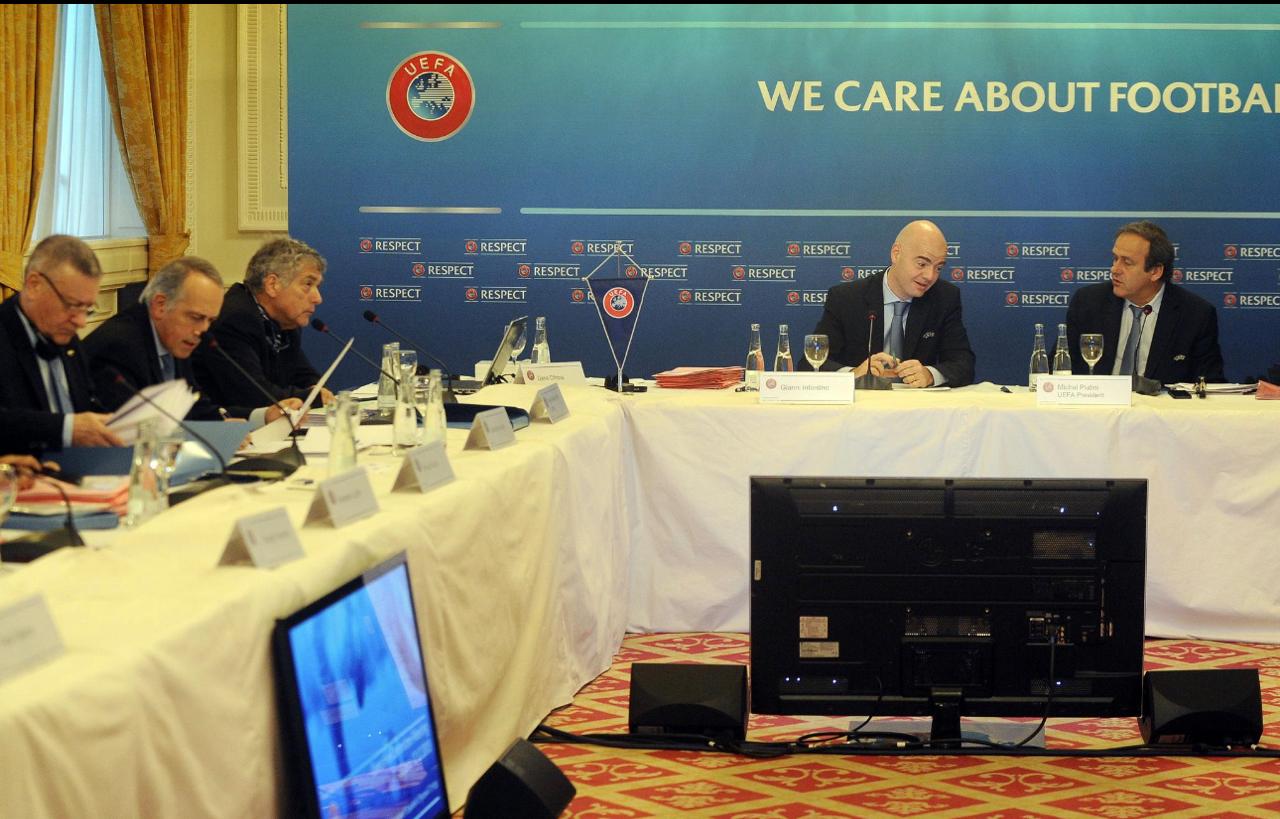
The relationship between UEFA and FIFA has entered a new period of tension after UEFA confirmed it will maintain its threat to boycott future FIFA competitions despite an apology from the world football governing body.
The disagreement follows FIFA’s decision to reconsider a controversial proposal involving the commercialization of its competitions. Although FIFA acknowledged mistakes and issued an apology, UEFA believes the concerns raised by European football associations have not yet been fully addressed.
Why the Dispute Began
The conflict centers on FIFA’s reported plans to expand private investment in the commercial rights of international football competitions. The proposal generated strong criticism from several football organizations, which argued that such changes could affect the independence and long-term future of the sport.
UEFA responded by expressing serious concerns, warning that football’s integrity should always take priority over commercial interests.
FIFA’s Response
Facing criticism, FIFA announced that it would step back from the proposal and admitted that mistakes had been made during the process. The organization also apologized to its stakeholders, hoping to reduce tensions and rebuild confidence.
However, UEFA stated that the apology alone was not enough to restore trust between both organizations.
UEFA Maintains Its Position
According to UEFA, the conditions required for rebuilding confidence have not yet been met. The organization emphasized that protecting football’s values remains its highest priority and warned that the possibility of boycotting future FIFA competitions remains on the table if similar proposals emerge again.
Officials also stressed that European football associations had been united throughout the discussions and would continue defending the interests of clubs, players and supporters.
Could Future World Cups Be Affected?
Although UEFA continues to criticize FIFA’s previous proposal, the upcoming FIFA World Cup tournaments remain scheduled as planned.
The 2030 FIFA World Cup is expected to be hosted by Portugal, Spain and Morocco, making it one of the most anticipated tournaments in football history.
At this stage, there has been no official announcement suggesting that the tournament itself is at immediate risk. However, the disagreement highlights ongoing governance challenges within international football.
Impact on Global Football
The dispute demonstrates the growing importance of transparency and cooperation between football’s governing bodies.
Supporters, clubs and national associations expect major decisions affecting the sport to be discussed openly, ensuring that football’s traditions and competitive integrity remain protected.
Many experts believe that stronger dialogue between FIFA and UEFA will be necessary to avoid future conflicts that could affect international competitions.
Looking Ahead
The coming months may prove crucial for relations between FIFA and UEFA. While FIFA seeks to restore confidence among its member associations, UEFA has made it clear that protecting the sport’s long-term future remains its primary objective.
Football fans around the world will be watching closely as both organizations attempt to resolve their differences while preparing for the next generation of international tournaments.
What Could Happen Next?
The UEFA FIFA dispute is expected to remain one of the biggest governance challenges in international football. While FIFA has apologized and stepped back from its controversial proposal, UEFA insists that rebuilding trust will require more than words.
In the coming months, football fans, clubs and national associations will closely watch how both organizations work together. The successful organization of future FIFA World Cup tournaments, including the 2030 edition hosted by Portugal, Spain and Morocco, will depend on cooperation, transparency and mutual confidence between football’s governing bodies.
Many sports analysts believe this situation could encourage stronger governance standards and greater accountability in international football, helping protect the interests of players, clubs and supporters worldwide.
