


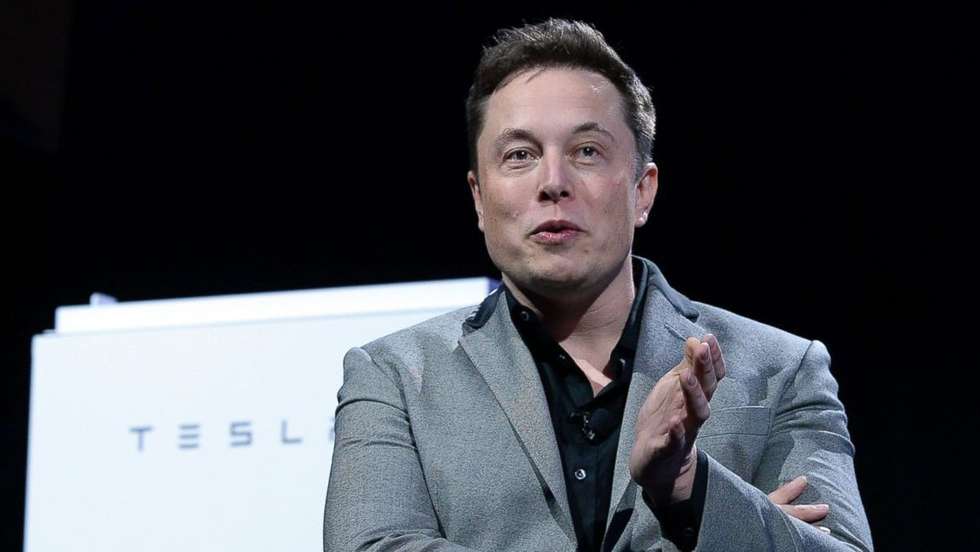
Few names carry as much influence in the technology industry as Elon Musk. Over the past decade, the billionaire entrepreneur has repeatedly demonstrated a willingness to make bold decisions, even when they spark controversy or uncertainty. His latest move—a major reorganization of his technology ecosystem—is attracting significant attention from investors, analysts, and the global tech community.
More than a simple corporate restructuring, this strategic shift sends a clear message about the future of artificial intelligence, social media, electric vehicles, and digital infrastructure. Musk appears determined to build an even more connected ecosystem where his companies work together to accelerate innovation and strengthen their competitive advantage. A Vision Beyond Individual Companies
Unlike many business leaders, Elon Musk has always viewed his companies as parts of a much larger vision. Rather than operating independently, each business contributes to an interconnected technology ecosystem designed to solve complex problems and create long-term value.
From electric vehicles and artificial intelligence to space exploration and digital communication, Musk’s companies share knowledge, engineering expertise, software development, and technological resources. This collaborative approach allows innovation to move faster while reducing operational costs and improving efficiency.
The strategy reflects a long-term mindset focused on building sustainable technological leadership rather than pursuing short-term gains. Artificial Intelligence Takes Center Stage
Artificial intelligence has rapidly become one of the world’s most important technologies. Leading companies are investing billions of dollars in AI infrastructure, advanced computing systems, and next-generation machine learning models.
By reorganizing his business ecosystem, Musk is signaling that AI will remain at the core of his long-term strategy. Greater integration between platforms could improve access to valuable data, accelerate model training, and support the development of smarter products and services.
Industry experts believe this approach could strengthen Musk’s competitive position as technology companies continue racing to dominate the AI market. Investors See a Long-Term Strategy
Financial markets closely monitor every major decision made by influential business leaders. Large organizational changes often provide insight into a company’s future priorities and growth plans.
Many investors interpret Musk’s latest restructuring as a sign of long-term confidence. Instead of focusing solely on immediate financial performance, the strategy appears designed to create stronger technological integration, greater operational efficiency, and sustainable innovation.
Such planning often increases investor confidence because it demonstrates preparation for future opportunities rather than short-term market reactions. Greater Efficiency Through Integration, One of the biggest advantages of a unified technology ecosystem is operational efficiency.
When multiple companies share engineering teams, software platforms, research capabilities, and technological infrastructure, they reduce duplicated work and optimize the use of resources. This not only lowers costs but also speeds up product development and encourages faster innovation.
Technologies originally developed for one business can often be adapted for others, maximizing research investments and creating additional value across the entire ecosystem. Challenges Remain Despite the optimism surrounding the reorganization, significant challenges remain. Integrating different companies requires strong leadership, effective communication, and careful coordination between diverse corporate cultures. Regulatory authorities may also closely examine such restructuring efforts, particularly if they involve large-scale data sharing or market influence.
In addition, artificial intelligence continues evolving at an extraordinary pace, forcing technology companies to invest continuously in research, computing infrastructure, and top engineering talent. The Global Race for Technological Leadership The technology industry is currently experiencing one of the most competitive periods in its history.
Major corporations are competing across artificial intelligence, cloud computing, robotics, autonomous vehicles, and advanced digital infrastructure. Companies capable of delivering innovative and scalable solutions are expected to secure significant competitive advantages over the coming years. Within this context, Musk’s decision to create a more integrated ecosystem may prove to be a strategic advantage. What It Means for Consumers
Although corporate restructuring often happens behind the scenes, consumers may eventually experience its benefits.
A more connected technology ecosystem could lead to smarter AI assistants, improved software platforms, more advanced electric vehicles, and increasingly personalized digital services.
At the same time, discussions surrounding data privacy, cybersecurity, and the responsible development of artificial intelligence are expected to become even more important as these technologies continue expanding worldwide.
A Clear Message About the Future This reorganization reveals far more than an internal business adjustment. It reflects Elon Musk’s belief that the future of technology depends on deep integration between software, artificial intelligence, engineering, and digital infrastructure.
Rather than treating each company as an isolated business, Musk appears focused on building a unified innovation platform capable of accelerating progress across multiple industries simultaneously. Looking Ahead It will take time before the full impact of this restructuring becomes clear. Organizational changes of this scale rarely produce immediate results, and their true value often emerges over several years.
However, one conclusion is already evident: Elon Musk remains committed to making bold strategic decisions that position his companies at the forefront of technological innovation.
If successful, this integrated ecosystem could become a model for how future technology companies combine artificial intelligence, engineering excellence, and digital platforms to drive sustainable growth.
Elon Musk’s latest restructuring is much more than a corporate reorganization. It represents a strategic vision centered on collaboration, artificial intelligence, operational efficiency, and long-term innovation.
As investors and industry leaders continue monitoring these developments, this move may influence not only Musk’s businesses but also the broader technology sector.
The coming years will reveal whether this integrated approach becomes a defining blueprint for the next generation of global technology companies.
