


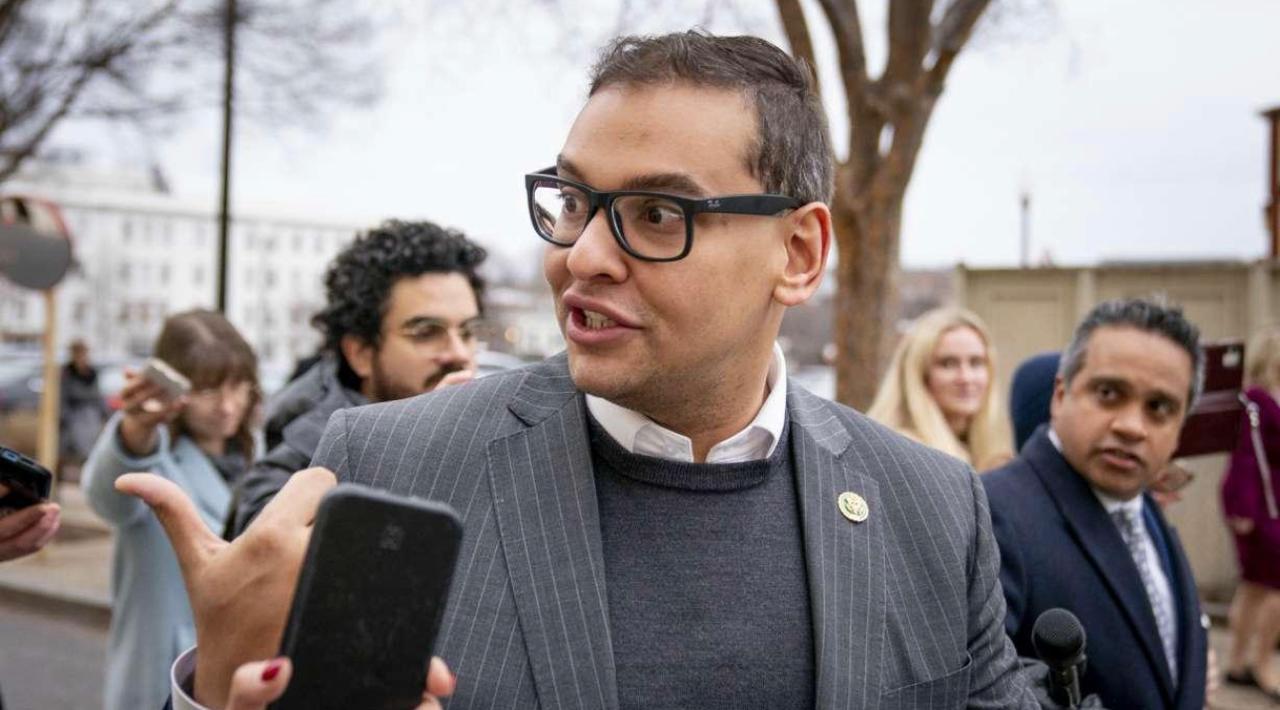
George Santos banned from Kalshi after the prediction-market platform permanently suspended the former U.S. congressman following an investigation into his trading activity connected to his own attendance at Donald Trump’s 2026 State of the Union address.
Former U.S. Congressman George Santos has been permanently banned from Kalshi and ordered to pay a $71,356 penalty. The case has attracted significant attention because the contracts he traded were directly connected to his own potential attendance at the event.
What Happened With George Santos and Kalshi?
The controversy began with prediction contracts connected to whether Santos would attend the State of the Union address in February 2026.
Kalshi allows users to trade contracts based on the expected outcome of future events. In this case, the market focused on whether several public figures, including Santos, would attend the presidential address.
According to findings from U.S. regulators and Kalshi, Santos traded contracts related to his own attendance even though he was in a position to influence the outcome. The Commodity Futures Trading Commission, or CFTC, later concluded that his trading violated federal rules concerning manipulation and deceptive conduct.
Santos reportedly made a profit of approximately $17,839 from the trades. The case attracted attention because he also made public statements about his plans to attend the event while his positions were active.
Why Was George Santos Banned?
The central issue was Santos’ ability to influence the event being traded.
Kalshi’s compliance department determined that Santos was prohibited from trading the market because he was personally capable of affecting whether he attended the State of the Union. Despite that restriction, the company said he placed a series of trades between February 2 and February 25.
Santos also made statements on social media about his plans. According to Kalshi’s findings, some of those statements were misleading and were made in a way that could influence the prices of the contracts.
On the day of Trump’s speech, Santos said that he was unable to attend after being delayed at an airport. The development affected expectations surrounding the market and ultimately contributed to the value of the contracts he had traded.
The case therefore raised concerns about whether Santos had used his personal knowledge and influence to benefit financially from a market connected directly to his own actions.
Kalshi Imposes a Lifetime Ban
Kalshi’s decision goes beyond a normal temporary suspension.
The company imposed a permanent ban and a $71,356 penalty. Kalshi said Santos’ lack of cooperation with its internal compliance investigation was a major reason for the lifetime ban. Other people involved in separate enforcement cases received temporary bans after cooperating with the company’s investigation.
This distinction is important because Kalshi has been increasing its focus on compliance as prediction markets attract more users and more money.
The George Santos banned from Kalshi case is therefore likely to become an important example of how prediction platforms deal with users who have direct influence over the outcome of a contract.
CFTC Had Already Taken Action
Kalshi’s lifetime ban came after a separate action by the Commodity Futures Trading Commission.
In July 2026, Santos agreed to pay $35,000 to resolve the federal regulator’s case involving the same trading activity. The CFTC also imposed a three-year trading restriction. According to reports, the settlement included the return of his trading profits and an additional penalty.
Santos agreed to the settlement without admitting the regulator’s allegations, according to reporting on the case.
The involvement of the CFTC demonstrates that prediction markets are increasingly being treated as a serious financial and regulatory sector rather than simply as online betting websites.
What Does the Case Mean for Prediction Markets?
Prediction markets such as Kalshi have become increasingly popular in the United States.
Users can trade contracts based on political events, economic indicators, sports and other outcomes. Supporters argue that these markets can provide useful information about expectations surrounding future events.
However, the growth of prediction markets has also created concerns about insider trading, market manipulation and conflicts of interest.
The Santos case demonstrates one of the biggest challenges: what happens when a person trading a contract has a direct connection to the event?
A trader who knows that they can influence an outcome may have an advantage over other participants. That is why platforms need strong compliance systems to identify suspicious trading patterns and prevent market participants from using their position to gain an unfair advantage.
Santos Responds to the Ban
Santos has criticized Kalshi’s decision.
Following the announcement, he reacted on X and referred to Kalshi as a gambling platform, while questioning how long the company would continue operating.
His response adds another layer to an already controversial case. While Santos disputes the seriousness of Kalshi’s decision, the platform has maintained that its enforcement action was based on its compliance findings.
A Warning for Traders
For traders, the case provides an important lesson.
Prediction markets may look similar to conventional betting platforms, but participants can still be subject to detailed rules and regulatory requirements. Traders should understand the rules of each platform before placing positions, especially when they have a personal connection to the event being traded.
The case also shows why social-media activity can become relevant to market investigations. Public statements can influence market prices, particularly when they come from someone directly connected to the event.
Conclusion
The George Santos banned from Kalshi case is one of the most notable enforcement actions involving a prediction-market platform in 2026.
Santos was permanently banned after Kalshi concluded that he had traded contracts related to his own attendance at the State of the Union and failed to cooperate with the company’s investigation. He was also hit with a $71,356 penalty, following a separate CFTC settlement involving the same conduct.
The case highlights the growing importance of compliance, transparency and market integrity as prediction markets continue to expand.
For traders and investors, the message is clear: having direct influence over an event you are trading can create serious regulatory and compliance risks.
