


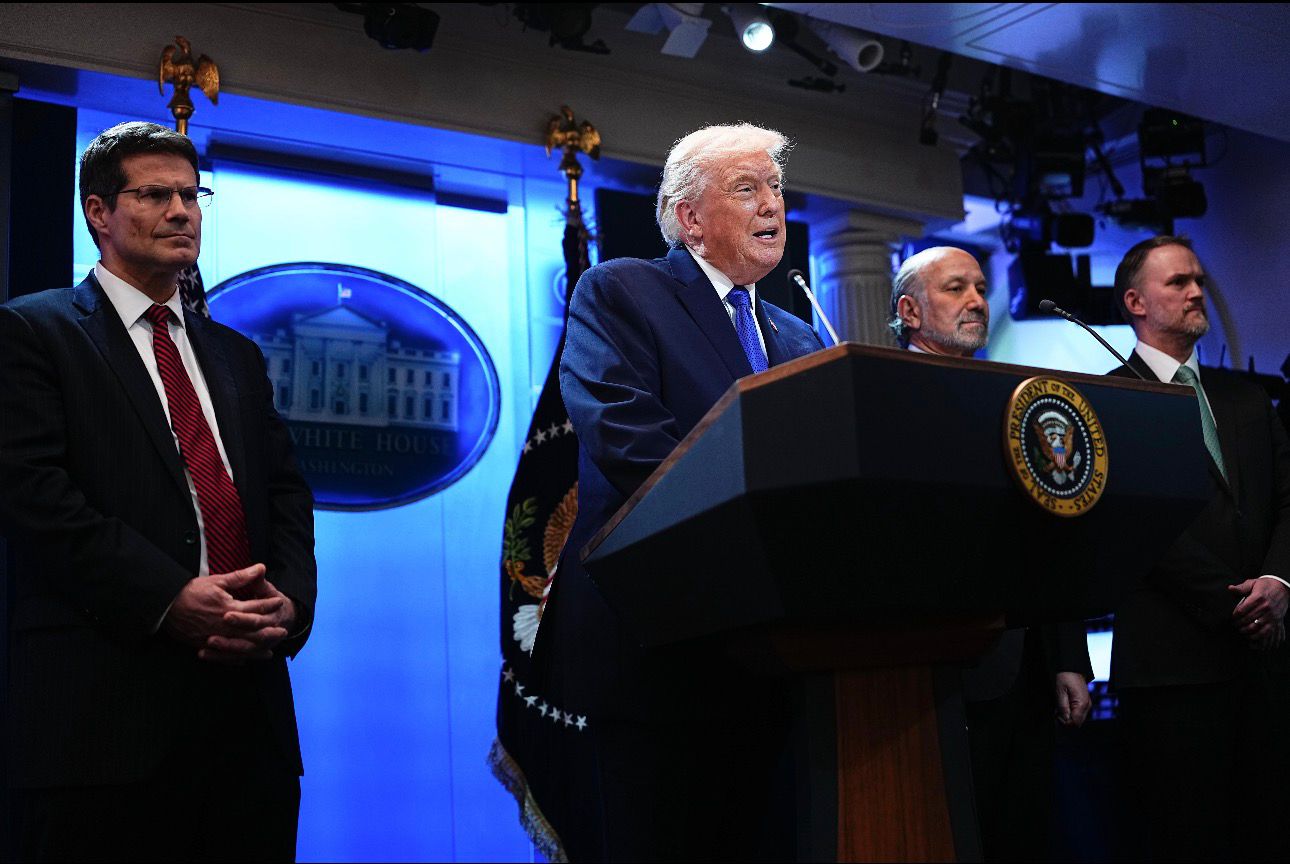
Trump economic war on Iran is entering a new phase as the United States increases economic and diplomatic pressure on Tehran. The campaign is targeting Iran’s financial networks, trade relationships, and access to international markets, while countries and companies connected to Iran face growing uncertainty.
The Trump administration launched Operation Economic Outcast, a campaign designed to further isolate Iran from international financial and commercial networks. The U.S. Treasury says the initiative targets important economic sectors, including digital assets, technology, gold, aviation and shipping.
Why Is the U.S. Targeting Iran’s Economic Partners?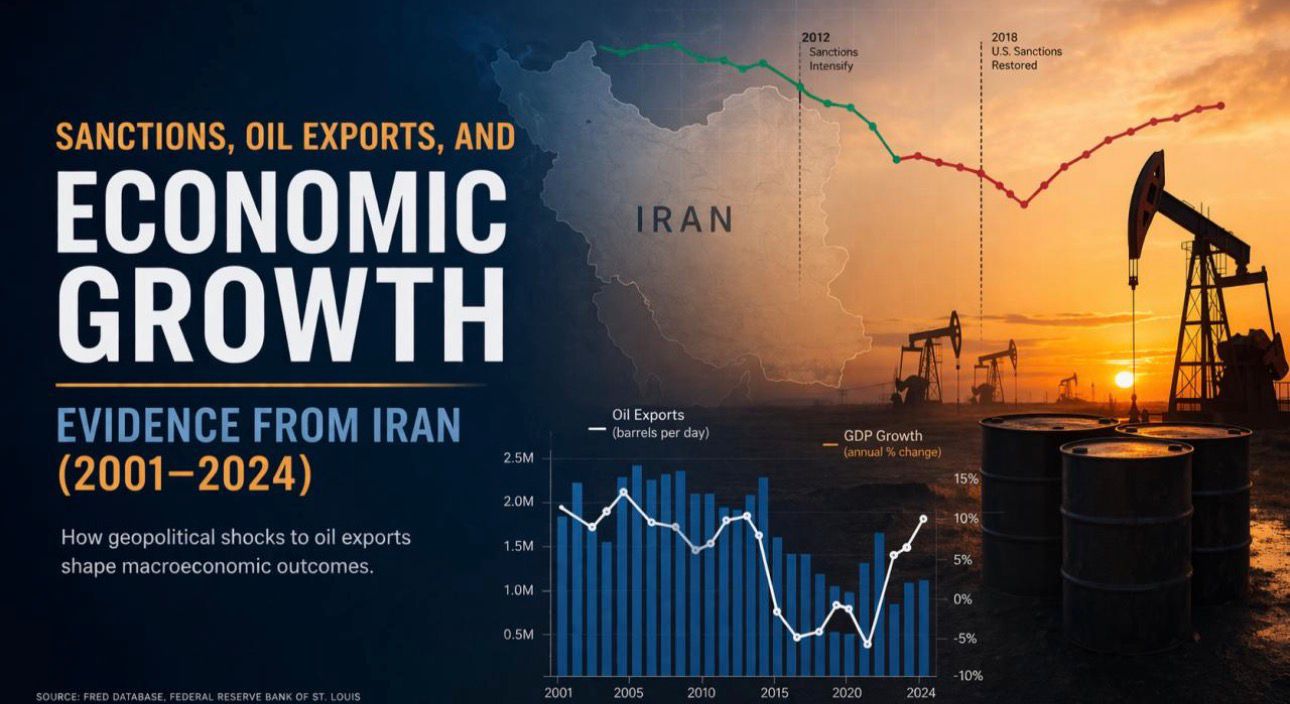
Washington’s strategy goes beyond imposing sanctions directly on Iran. The United States is also warning foreign companies and countries that continuing certain forms of economic cooperation with Tehran could expose them to secondary sanctions.
This approach could affect banks, shipping companies, oil traders, financial institutions and other businesses involved in transactions connected to Iran.
The objective is to reduce Iran’s ability to access international markets and financial systems while increasing economic pressure on the Iranian government.
China Is One of the Biggest Challenges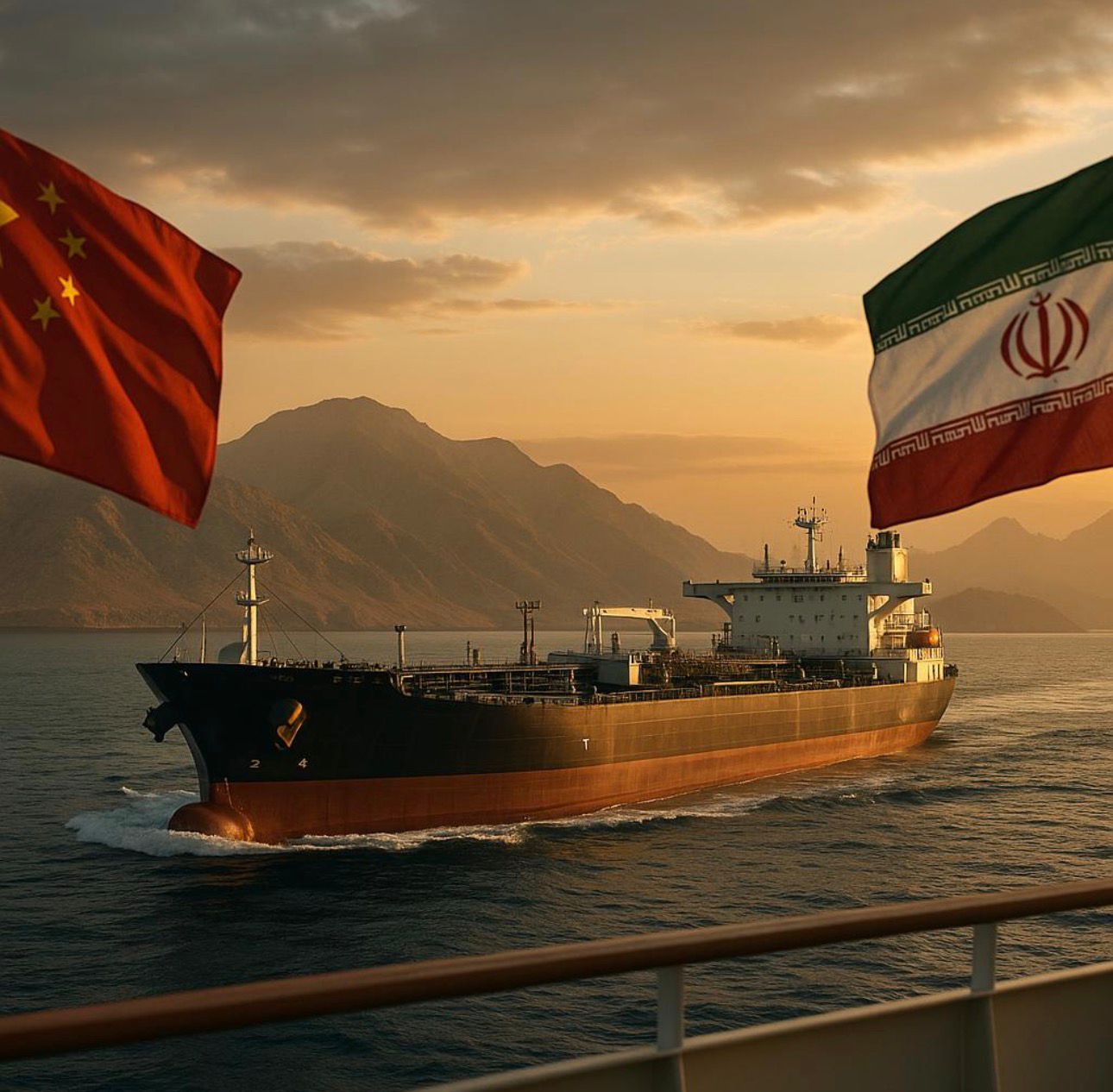
China is particularly important because it remains one of Iran’s most significant economic partners and a major buyer of Iranian oil.
Beijing has resisted unilateral U.S. sanctions and has indicated that it intends to protect its economic interests. This creates a major challenge for Washington because aggressively targeting Chinese companies or financial institutions could create a much broader confrontation between the world’s two largest economies.
What Could Happen to Global Markets?
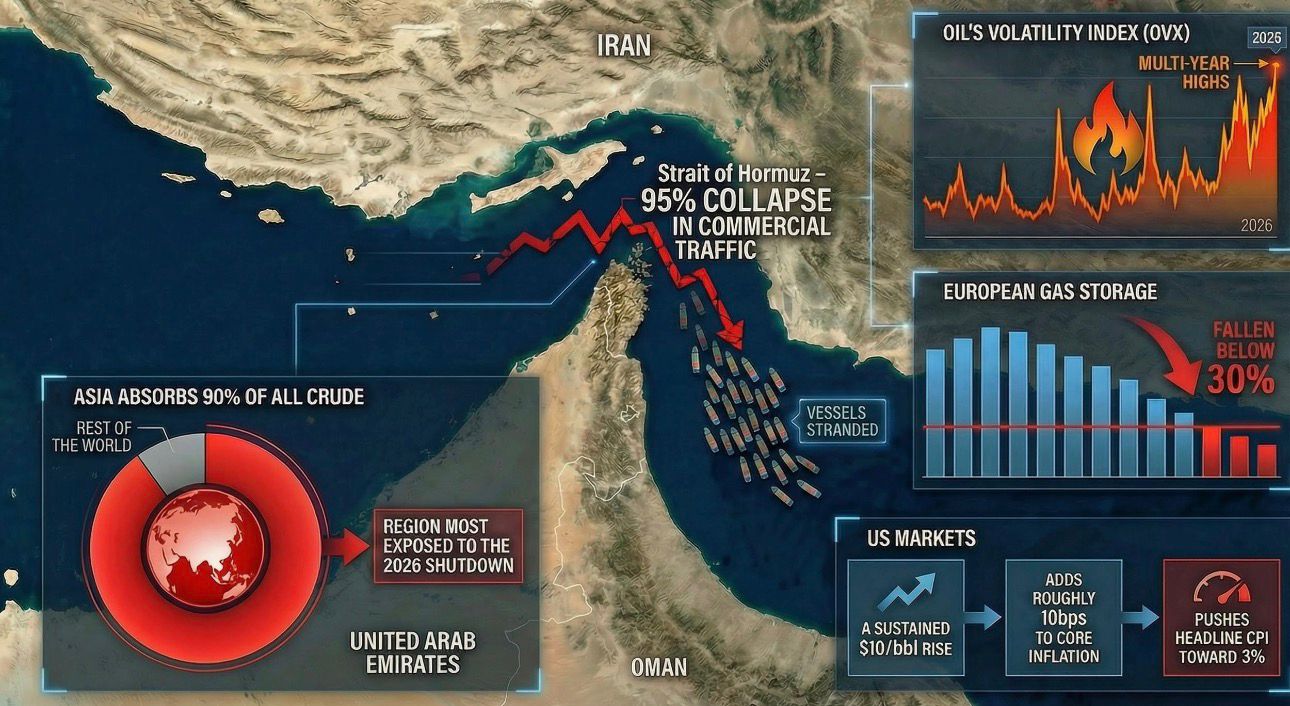
The economic conflict could have consequences beyond Iran and the United States.
Oil markets are especially sensitive to developments in the Middle East. Any disruption to Iranian oil exports or regional shipping routes could affect energy prices, transportation costs and inflation in other countries.
The conflict is also increasing uncertainty for businesses involved in international trade, particularly companies that operate across multiple jurisdictions and rely on access to the U.S. financial system.
How Could the Economic War Affect Other Countries?
The Trump economic war on Iran could create challenges for countries that depend on Iranian energy, regional trade, or shipping routes. Governments may have to balance their economic interests with the risk of facing U.S. sanctions or restrictions.
For businesses, the situation could increase compliance costs and create uncertainty around international payments, transportation, insurance, and energy supplies. Companies operating in sensitive sectors may also need to review their relationships with Iranian partners.
Energy markets could be particularly vulnerable. Iran plays an important role in the Middle East, and any disruption to oil exports or shipping routes could influence global energy prices. Higher energy costs could then affect transportation, manufacturing, and consumer prices in different parts of the world.
At the same time, countries seeking closer economic relationships with Iran may look for alternative payment systems, trading partners, and financial channels. This could contribute to a more fragmented global financial system as governments increasingly try to reduce their dependence on traditional international networks.
Iran Faces Increasing Economic Pressure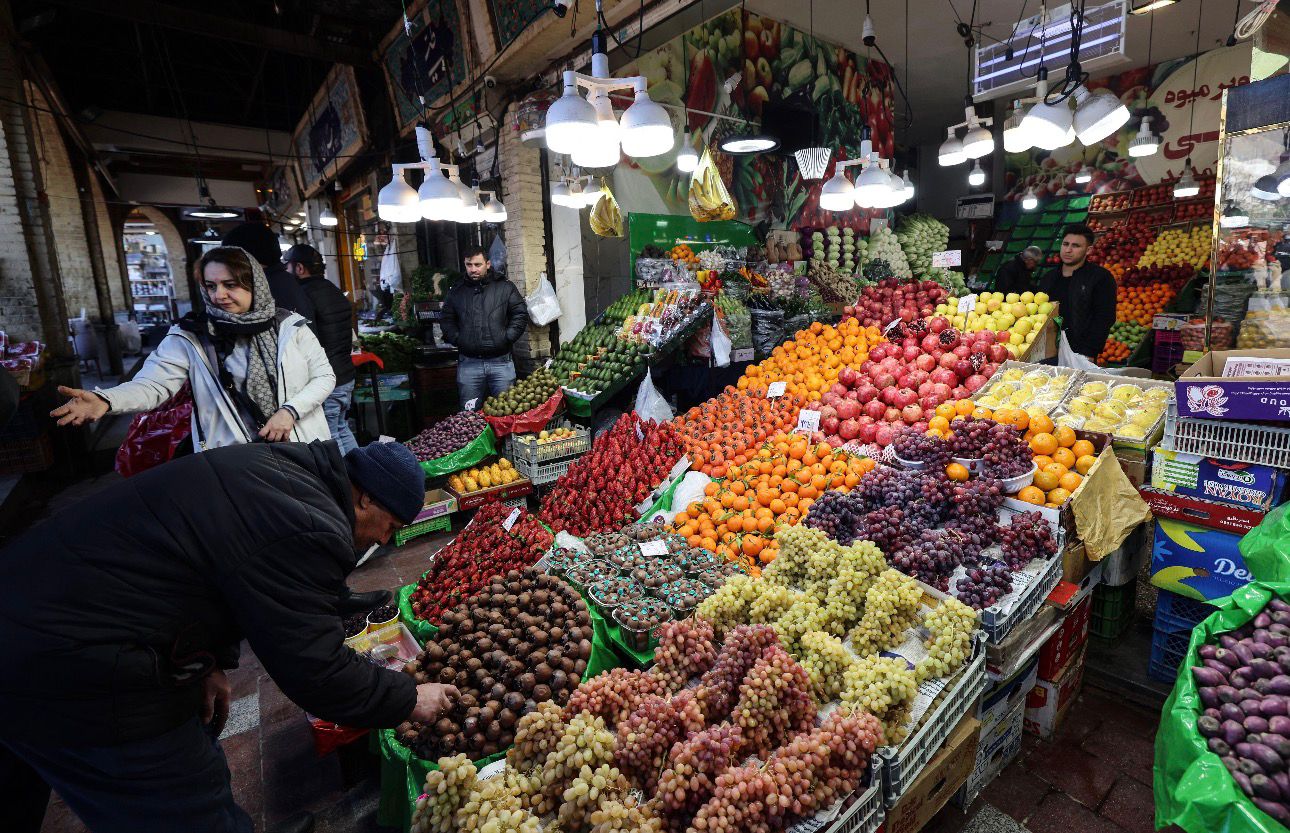
Iran’s economy was already under significant pressure from years of sanctions and the effects of the ongoing conflict.
Recent reporting indicates that the country’s trade and economic activity have been severely affected, while inflation remains a major concern. Tehran has continued to seek alternative commercial relationships and ways to maintain access to international markets.
A Wider Economic and Diplomatic Conflict
The latest developments show that Trump’s economic war on Iran is not simply a dispute between two countries.
If Washington begins imposing secondary sanctions on more foreign businesses and governments, countries such as China, Turkey, Iraq and the United Arab Emirates could face difficult choices regarding their economic relationships with Iran.
The result could be a broader confrontation involving trade, energy, banking and international diplomacy.
Conclusion
The expansion of Trump’s economic war on Iran marks a significant escalation in the pressure campaign against Tehran. The United States wants to cut Iran’s remaining economic lifelines, while Iran and some of its trading partners are looking for ways to maintain commercial relationships.
