


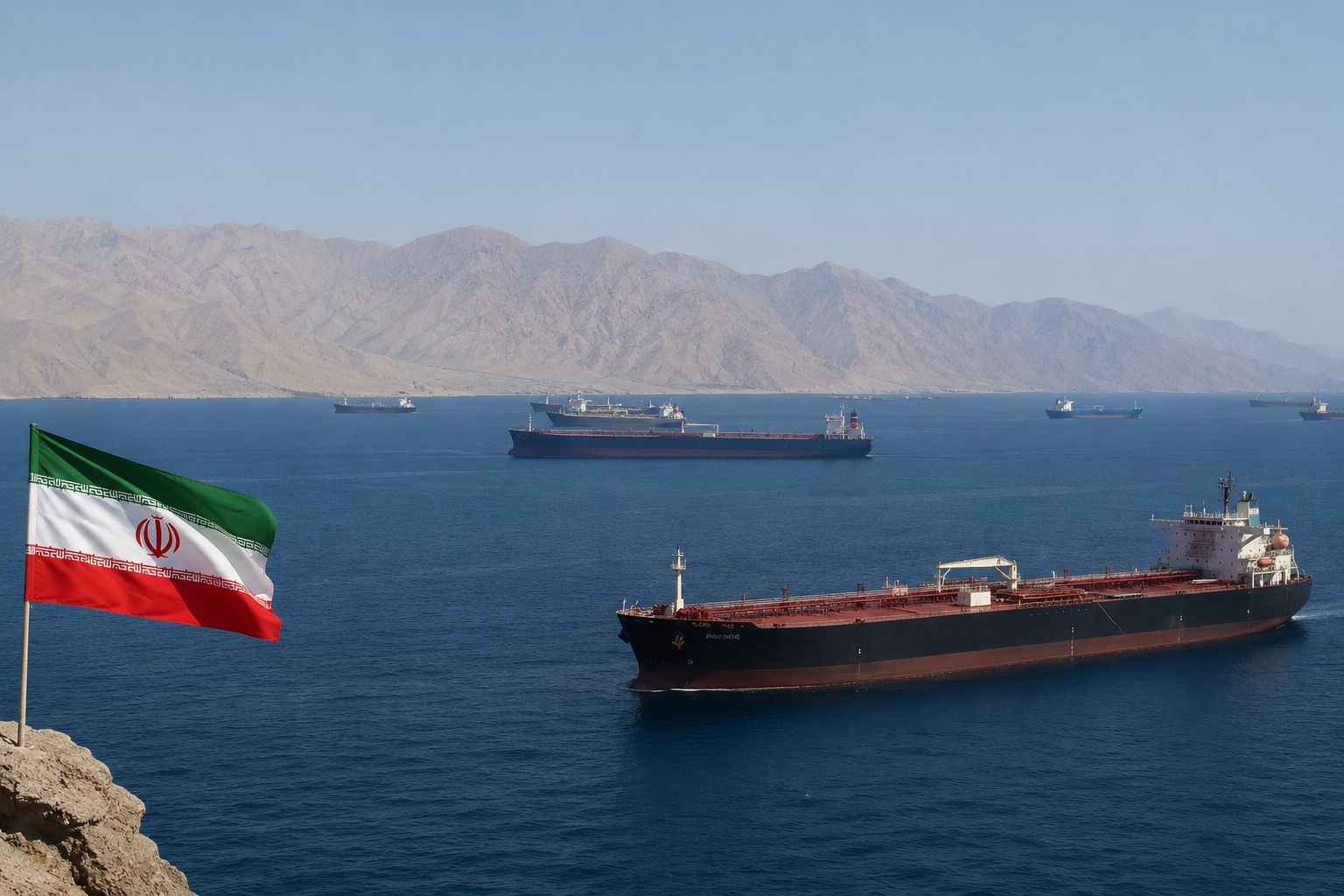
Oil Prices Surge as U.S.-Iran Tensions Escalate
Oil prices jumped sharply on September 1, 2026, as renewed military escalation between the United States and Iran increased concerns about the security of global energy supplies.
The latest developments have placed the Strait of Hormuz back at the center of attention. The strategic waterway is one of the world’s most important routes for transporting crude oil and other energy products.
The renewed uncertainty has pushed investors to reassess the potential risks facing global oil supplies.
Brent and WTI Prices Rise Sharply
The escalation quickly affected international oil markets.
Brent crude rose 4.6%, gaining $4.16 to close at around $94.65 per barrel.
Meanwhile, West Texas Intermediate (WTI), the U.S. oil benchmark, climbed 5.2%, gaining $4.46 to close at approximately $90.22 per barrel.
The sharp move highlights how sensitive the oil market remains to geopolitical developments in the Middle East.
Why Is the Strait of Hormuz So Important?
The Strait of Hormuz is a narrow maritime passage between Iran and Oman and represents one of the world’s most important energy routes.
A significant portion of the world’s oil supply normally passes through the strait. Because of this, any prolonged disruption to shipping could have major consequences for global energy markets.
If vessels are unable to move normally through the region, oil supplies reaching international markets could become tighter.
That possibility is one of the main reasons investors are closely watching developments in the area.
Renewed Attacks Increase Supply Concerns
The latest escalation between Washington and Tehran has increased uncertainty across financial and commodity markets.
Investors are particularly concerned about whether the conflict could expand and affect shipping routes, oil infrastructure or production facilities across the region.
Even before an actual shortage occurs, the possibility of supply disruption can push oil prices higher as traders price additional geopolitical risk into the market.
This is often referred to as a geopolitical risk premium.
Could Oil Prices Continue Rising?
The future direction of oil prices will depend heavily on what happens next.
If military tensions continue to increase and shipping through the Strait of Hormuz remains restricted, crude oil prices could face additional upward pressure.
Brent could potentially remain above recent levels if traders believe that global supplies are at risk.
However, if diplomatic efforts reduce tensions and shipping activity returns to normal, part of the geopolitical premium could disappear and oil prices could fall.
For now, uncertainty remains extremely high.
What Could Happen to Fuel Prices?
A sustained increase in crude oil prices could eventually affect consumers around the world.
Higher crude prices can increase the cost of:
- Gasoline
- Diesel
- Aviation fuel
- Transportation
- Manufacturing
- Logistics
- Other petroleum-based products
Countries that rely heavily on imported oil could be particularly exposed to higher energy costs.
Higher fuel prices can also contribute to inflation by increasing transportation and production costs across the economy.
Impact on Global Financial Markets
The oil market is not the only market affected by the escalation.
Higher oil prices can influence currencies, stock markets, government bonds and inflation expectations.
Oil-producing countries could benefit from higher export revenues, while countries that depend heavily on energy imports could face increased economic pressure.
Investors are therefore watching not only crude oil prices but also the broader reaction across global financial markets.
What Traders Should Watch
For traders and investors, several factors could become particularly important in the coming days:
1. Developments between the U.S. and Iran
Any new military action or diplomatic negotiations could cause significant volatility.
2. Shipping activity in the Strait of Hormuz
A major reduction in tanker traffic could increase concerns about global supply.
3. Brent crude prices
Brent remains one of the most important benchmarks for international oil markets.
4. WTI crude prices
WTI provides another important indication of how the U.S. market is responding to geopolitical risk.
5. Statements from major oil-producing countries
Any changes to production or supply strategies could influence prices.
The Bigger Picture
The latest rise in oil prices demonstrates how quickly geopolitical events can affect financial markets.
The Strait of Hormuz remains a critical point for the global energy system, meaning that developments in the region could continue to influence crude oil prices well beyond the immediate reaction.
For consumers, businesses and investors, the key question is whether the current escalation will remain temporary or develop into a broader disruption to global energy supplies.
For now, oil markets remain highly sensitive to every new development involving the United States, Iran and the Strait of Hormuz.
Frequently Asked Questions
Why are oil prices rising?
Oil prices are rising because renewed tensions between the United States and Iran have increased concerns about possible disruptions to global oil supplies and shipping through the Strait of Hormuz.
What is the Strait of Hormuz?
The Strait of Hormuz is a strategic waterway between Iran and Oman and one of the world’s most important routes for international oil transportation.
How much did Brent crude rise?
Brent crude rose approximately 4.6%, reaching about $94.65 per barrel at the close on September 1, 2026.
How much did WTI rise?
WTI increased approximately 5.2%, reaching around $90.22 per barrel.
Could oil prices rise further?
Yes. A further escalation or significant disruption to shipping through the Strait of Hormuz could put additional upward pressure on crude oil prices. Conversely, de-escalation could cause prices to retreat.
Why does the conflict between the U.S. and Iran affect oil prices?
Iran is located next to the Strait of Hormuz, a crucial route for global energy transportation. Any threat to shipping through the area can cause traders to anticipate tighter oil supplies and higher prices.
